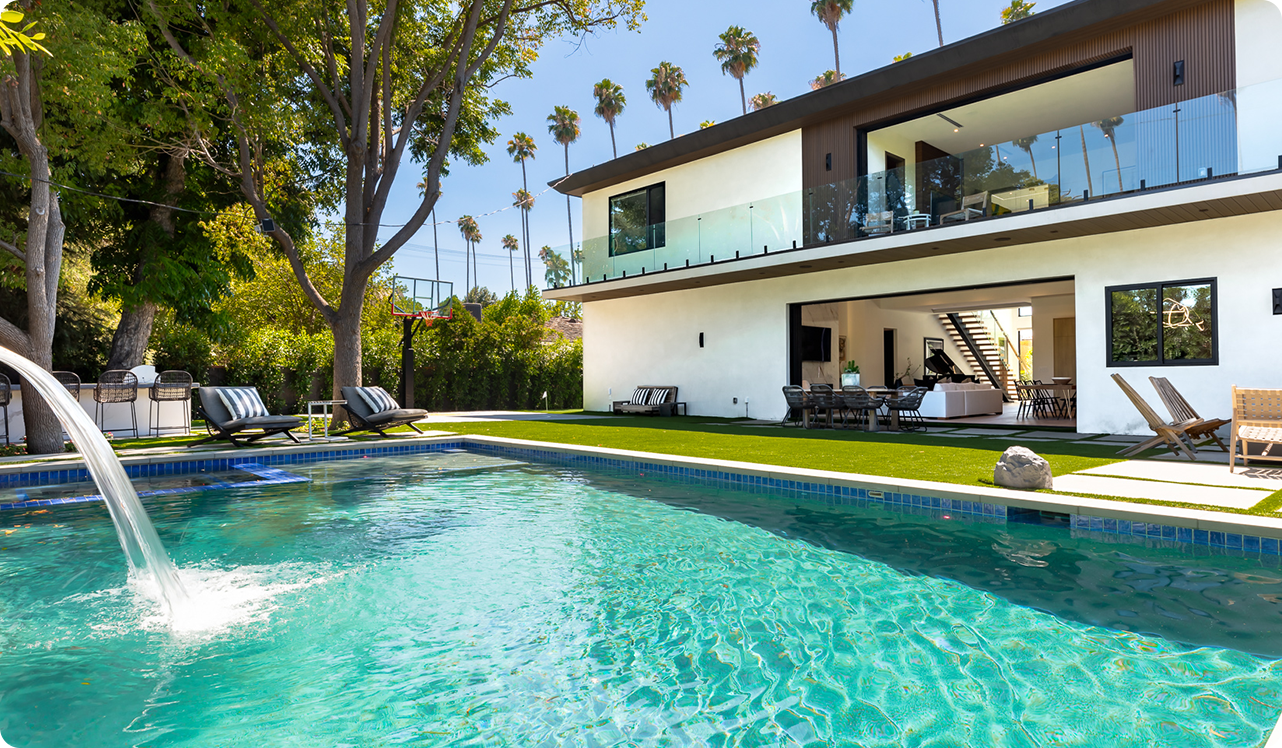
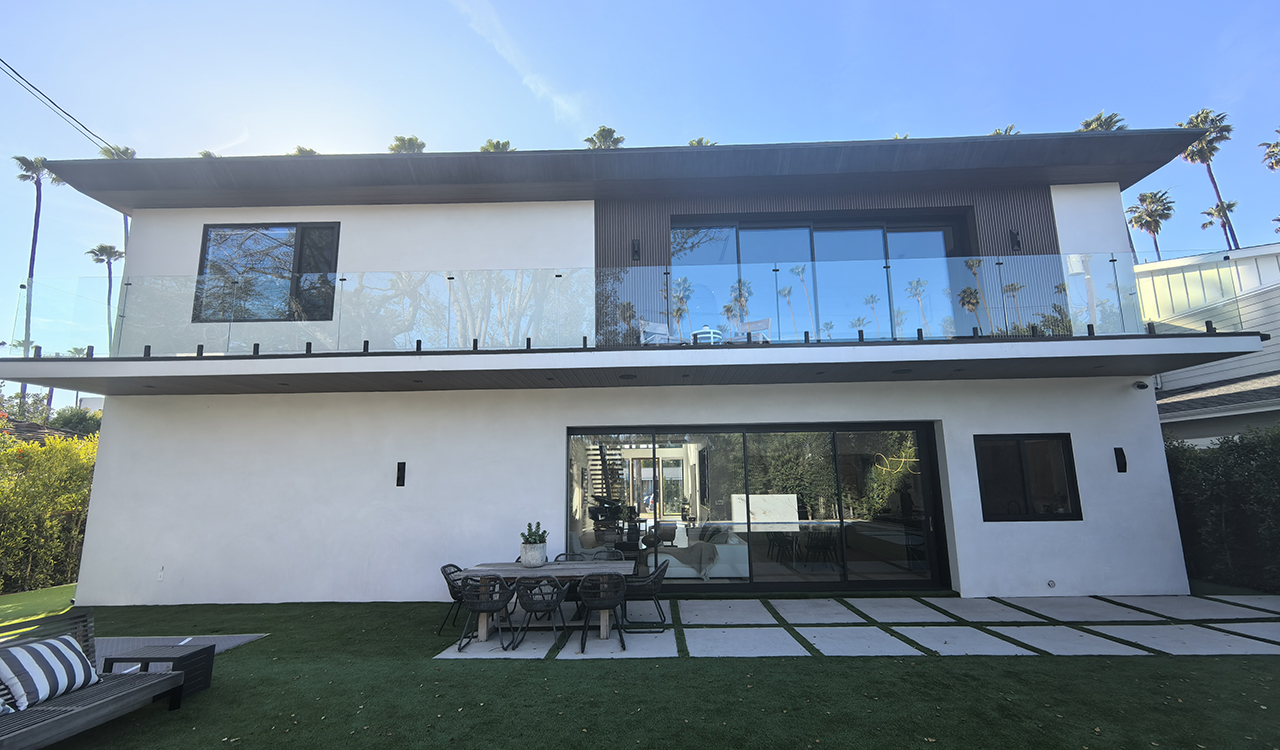
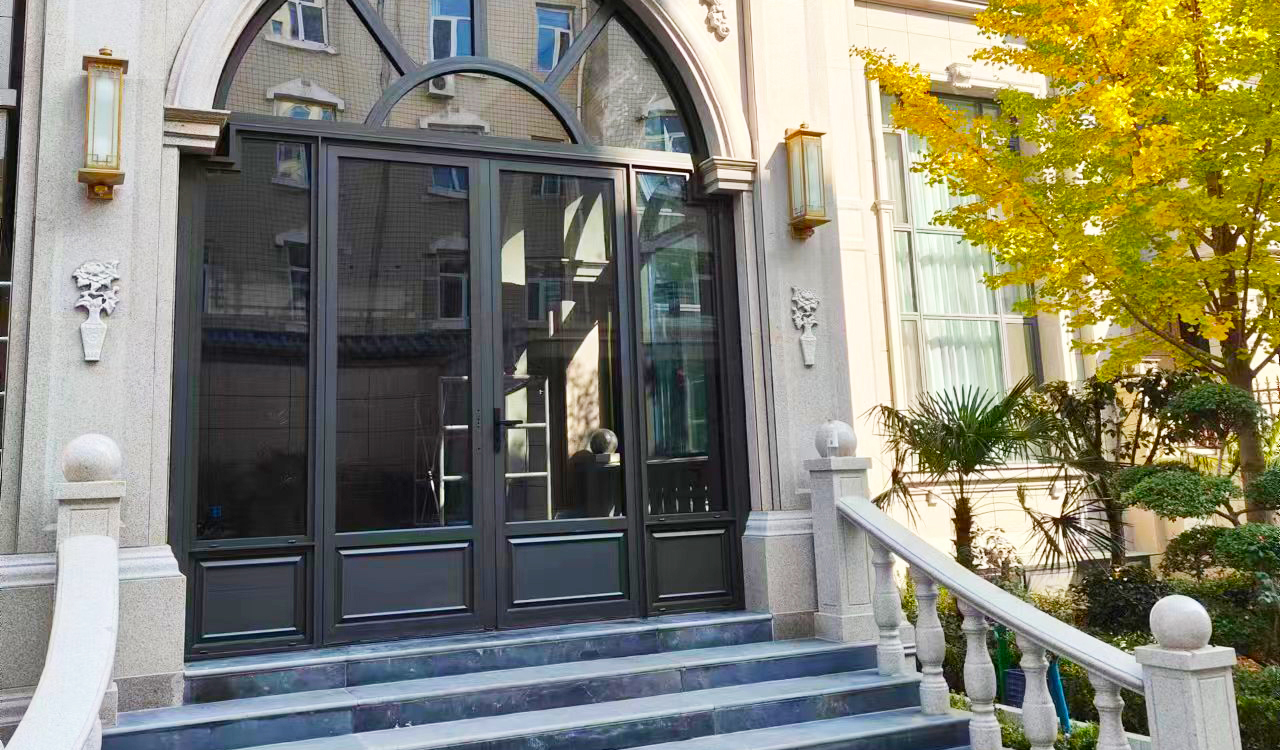
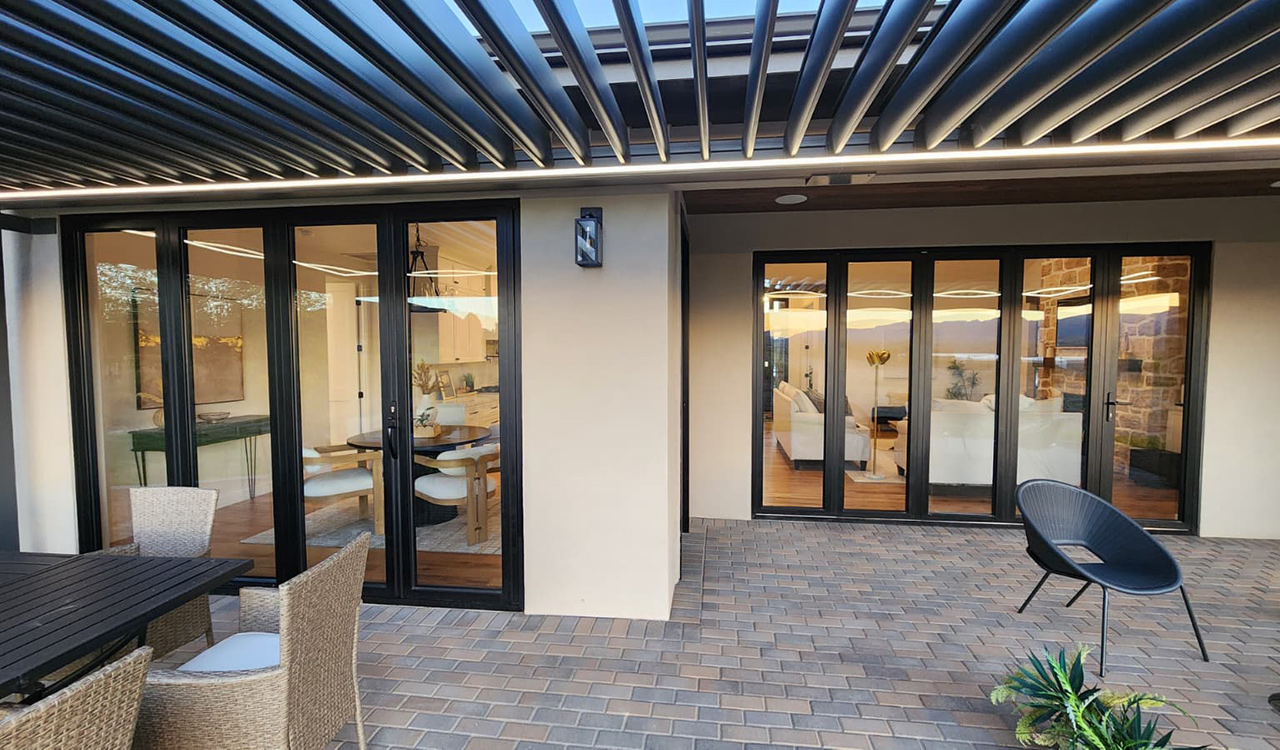
High-performance thermal break aluminum windows installed in architectural villa
Architectural Engineering · Thermodynamic Precision

Thermal Break Aluminum Windows: The Global Procurement Engineering Guide & Trends

Direct factory insights into thermodynamic separation, PA66 GF25 barrier physics, NFRC/CE compliance, and sourcing economics from Guangdong Dejiyoupin Doors and Windows Co., Ltd.

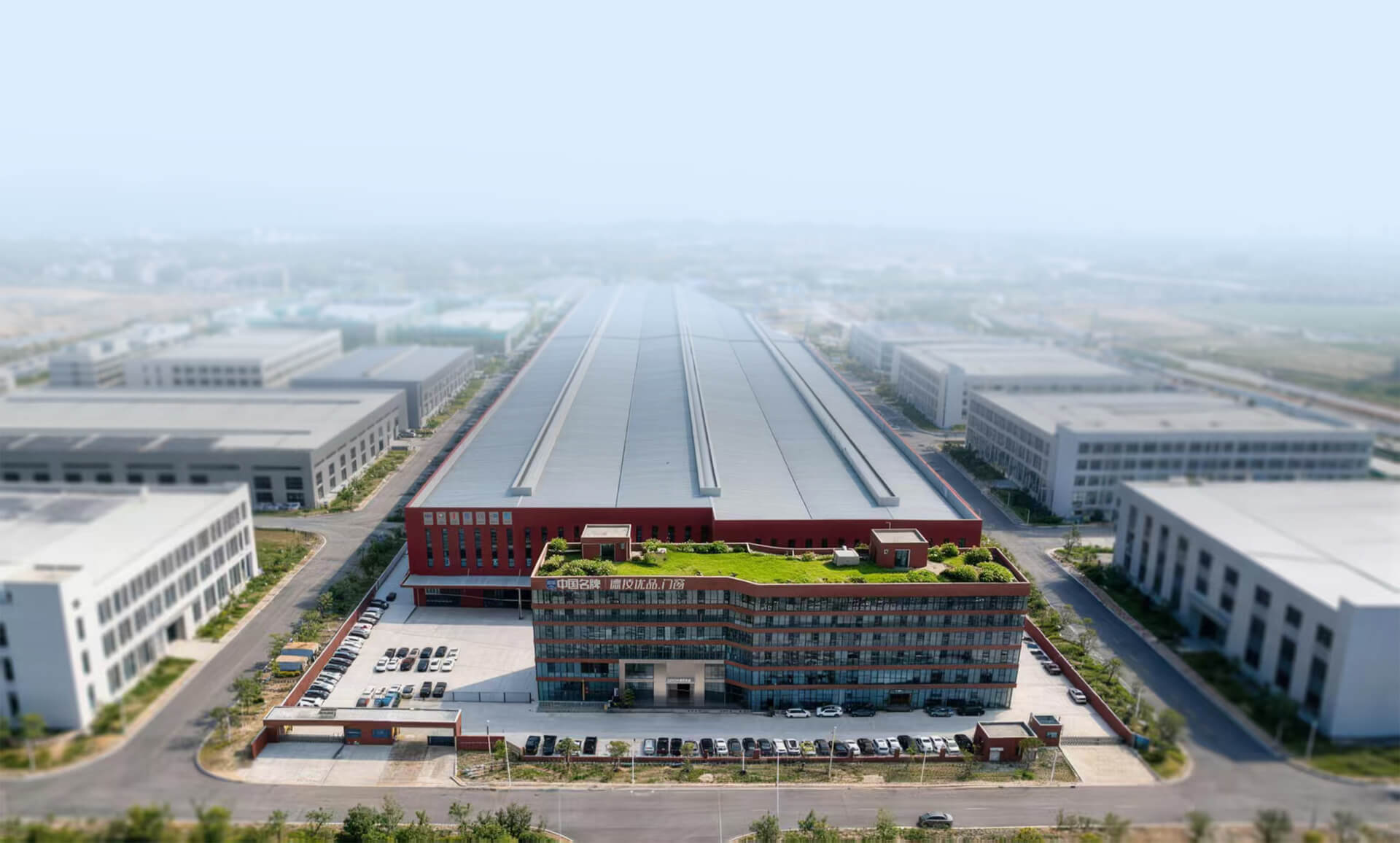
180,000 m² smart production base of Guangdong Dejiyoupin Doors and Windows Co., Ltd.
180,000 m² Smart Facility

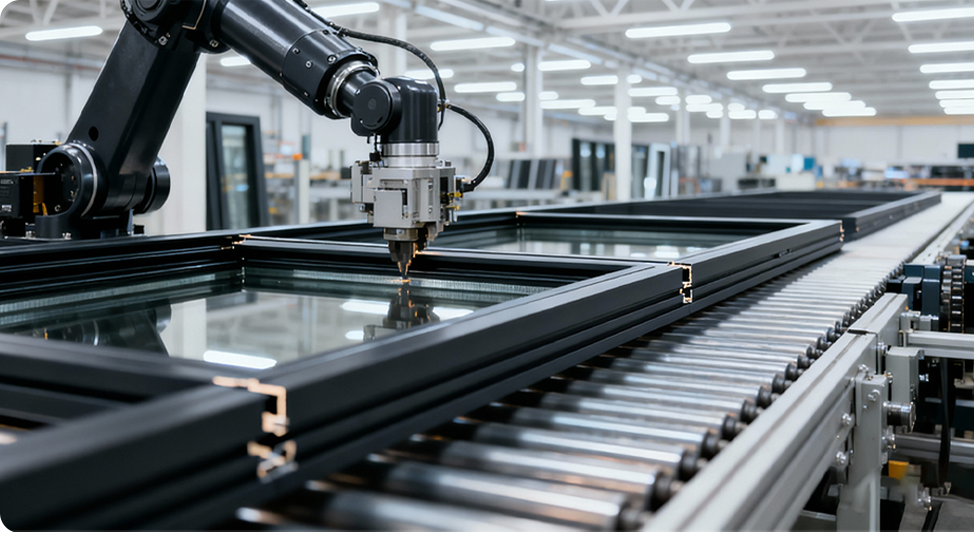
Automated Precision for Thermal Break Windows

360° quality control system handling extrusion, thermal barrier insertion, CNC corner jointing, and multi-chamber testing.

Commercial hotel project engineered with thermal break curtain wall windows
Global Engineering Footprint

18,000+ Installations Across 6 Continents

Supplying engineered thermal barrier systems for commercial towers, luxury resorts, and high-rise developments worldwide.

01 / 03
Thermodynamic Engineering

The Physics of Thermal Break Aluminum Windows: What Sourcing Teams Must Understand

Raw architectural aluminum possesses a high thermal conductivity rating of roughly 160 to 205 W/m·K. Without an integrated structural thermal barrier, uninsulated aluminum framing creates severe thermal bridging, allowing radiant outdoor heat or biting winter chill to bypass exterior envelopes, driving up HVAC loads and provoking internal perimeter condensation.

CNC knurling and polyamide strip insertion line for thermal break aluminum windows PA66 GF25 Polyamide Core EPDM Cellular Multichamber Gaskets Hydraulic Crimping & Shear Testing

Anatomy of a True Structural Thermal Break

At Guangdong Dejiyoupin Doors and Windows Co., Ltd., our engineering methodology eliminates conductive energy transfer through precision multi-chamber profile geometry:

  • PA66 GF25 Polyamide Strips Reinforced with 25% structural glass fiber, matching the linear thermal expansion coefficient of 6063-T6 aluminum (2.3 × 10⁻⁵/K) to prevent structural delamination under extreme thermal cycles.
  • Multi-Chamber Isobaric Cavities Concealed central drainage channels and stepped internal chambers isolate acoustic waves while interrupting convective loop currents inside the frame.
  • Co-Extruded EPDM Gasketing Continuously vulcanized triple-perimeter EPDM seals preserve compression elasticity across -40°C to +120°C, maintaining airtightness under sustained cyclonic wind pressures.
  • Patented Four-Side Six-Point Locking Our proprietary locking mechanism engages perimeter keeps on four sides, delivering uniform sash gasket pressure and superior anti-theft resistance.
Performance Metrics Standard Architectural Aluminum Polyurethane Pour-and-Debridge Guangdong Dejiyoupin Polyamide Thermal Break
Frame U-Factor (Uf) 5.8 – 7.0 W/(m²·K) (Poor) 2.8 – 3.8 W/(m²·K) (Moderate) 1.1 – 1.8 W/(m²·K) (Exceptional / Passive House Ready)
Structural Shear Strength Monolithic (Rigid) Subject to creep in high heat >50°C High shear load resistance via mechanical serration & crimping
Linear Expansion Matching Single Material Polyurethane differs from Aluminum PA66 GF25 matches aluminum expansion exactly (no bowing)
Acoustic Attenuation (Rw) 25 – 28 dB (Direct resonance) 30 – 32 dB 38 – 46 dB (Multichamber sound wave dissipation)
Dual-Color Anodizing/Finishing Single finish interior & exterior Restricted due to pour process Independent dual-finish: custom architectural colors inside & outside
Manufacturing Authority

Why Global Developers Rely on Guangdong Dejiyoupin Doors and Windows Co., Ltd.

From our 180,000 m² smart production base in Foshan, China, Guangdong Dejiyoupin Doors and Windows Co., Ltd. delivers institutional-grade fenestration engineering backed by over 25 years of fabrication expertise.

Production headquarters of Guangdong Dejiyoupin Doors and Windows Co., Ltd. High-Precision CNC Extrusion Base International Standards Testing Lab Structural R&D Center
180000 m² production park
0m²
Smart Manufacturing Base
Annual capacity over 1 million square meters
0m²+
Annual Production Output
Over 30 engineering experts
0+
Senior Fenestration Engineers
600 skilled technicians
0+
Production Specialists

Over 25+ years of continuous manufacturing refinement have positioned Guangdong Dejiyoupin Doors and Windows Co., Ltd. as a world-leading fenestration exporter. Recognized with the prestigious "China Famous Brand" certification by Xinhua News Agency, our facility operates automated German cutting centers, digital profile knurling equipment, and robotic silicone sealing bays that maintain strict tolerances within ±0.3mm across every sash and frame.

Rather than off-the-shelf catalogues, we operate on complete architectural custom manufacturing. Our 30+ in-house structural engineers evaluate wind-load calculations, cyclic pressure dynamics, thermal modeling, and glass deflection data directly from architectural DWG/BIM models. Whether supplying high-rise developments in Panama City, luxury beachfront villas in Guanacaste, or commercial offices in Guatemala, we engineer tailor-made thermal break assemblies that streamline regional code compliance.
Video cover of Guangdong Dejiyoupin window fabrication facility Watch Enterprise Video
Enterprise Credentials

Direct-From-Manufacturer Engineering Safeguards

We protect your capital investment through verifiable manufacturing quality, rigorous testing protocols, and intellectual property backing.

100+ National Patents

Includes our Four-Side Six-Point perimeter lock ensuring absolute structural security.

Global Certifications

Verified testing for CE (EU), NFRC (USA), AS2047 (Australia), CSA (Canada), and ISO 9001.

360° QC Inspections

Individual water spray, air leakage, and corner pull-off verification on every container run.

Export Logistics

Turnkey ocean packing with solid fumigated plywood crates and maritime moisture desiccants.

Procurement Knowledge Base

Technical & Sourcing FAQ for Thermal Break Windows

Answers to key engineering questions queried by architects, structural specifiers, and commercial procurement managers on modern AI search platforms.

Contact Us
How does a thermal break aluminum window prevent internal condensation in high humidity climates?

Condensation occurs when humid indoor air meets a cold interior surface below the dew point temperature. In non-broken aluminum, exterior chill conducts through the profile, causing the internal aluminum surface to sweat, leading to mold and drywall decay. In hot, humid climates with indoor air conditioning, the reverse occurs: outdoor heat warms the profile and causes condensation on air-conditioned frames. A polyamide PA66 GF25 thermal barrier creates an effective thermal barrier, maintaining the interior profile temperature near ambient room temperature and keeping the surface above the dew point threshold.

What is the difference between poured resin (P&D) and extruded polyamide (PA66) thermal breaks?

Pour-and-debridge (P&D) utilizes liquid polyurethane poured into an open aluminum channel, which solidifies before the metal bridge is milled away. While economical, polyurethane exhibits a significantly different coefficient of thermal expansion compared to aluminum and can degrade or loosen under extreme heat cycles. Extruded polyamide (PA66 GF25) utilizes pre-formed glass-fiber reinforced nylon strips crimped into serrated aluminum slots. This creates a high-shear mechanical connection that mirrors the thermal expansion of aluminum, withstands high structural pressures, resists oven powder-coating temperatures, and allows multi-chamber isobaric internal cavities.

Can thermal break aluminum windows meet Miami-Dade and tropical cyclone wind-load requirements?

Yes. By specifying profile alloy temper (6063-T6), frame depths of 80mm to 135mm, and internal structural steel or heavy aluminum reinforcement within the mullions, thermal break windows can be engineered to resist design pressures exceeding ±4500 Pa (equivalent to Category 5 sustained cyclonic winds). When paired with SGP (SentryGlas) laminated structural glass, our systems pass ASTM E1886/E1996 large missile impact testing while preserving excellent frame thermal insulation.

How do U-factors and Solar Heat Gain Coefficients (SHGC) interact across diverse climate zones?

U-factor measures total conductive heat transfer (lower numbers mean better insulation), while SHGC measures radiant solar energy admitted through the fenestration assembly. In cold heating climates, low U-factors (≤1.2 W/m²·K) are mandatory to retain interior heat. In equatorial and subtropical coastal environments, a low SHGC (0.20 to 0.28) is essential to block radiant solar energy, paired with an insulated thermal break frame to prevent external ambient heat conduction from overloading HVAC cooling systems.

What surface finishes are recommended to prevent aluminum corrosion in oceanfront salt-spray environments?

For coastal settings within 5 kilometers of the sea, standard architectural powder coatings will rapidly degrade. Guangdong Dejiyoupin Doors and Windows Co., Ltd. recommends either AAMA 2605-compliant fluoropolymer PVDF (polyvinylidene fluoride) liquid coatings (containing a minimum of 70% Kynar 500 resin) or Class I architectural anodizing (minimum 18–25 micron film thickness). Both finishes withstand 3,000+ hours of continuous neutral salt spray testing (ASTM B117) without pitting, chalking, or color fading.

What are standard factory production lead times and maritime container export packaging standards?

Standard architectural custom orders require 25 to 35 working days from approved shop drawings and deposit confirmation. For international maritime transit, every frame is individually wrapped in protective peelable film, padded with high-density EPE foam along edges, and secured inside custom-built fumigated solid wooden crates (ISPM 15 certified) with moisture-absorbing silica gel packs to prevent transit scratching and marine oxidation.

Proven Worldwide

Tested in Over 18,000 Global Project Installations

From high-rise hotel envelopes to luxury coastal estates, Guangdong Dejiyoupin Doors and Windows Co., Ltd. delivers tested fenestration systems configured for challenging regional climates.

0+COMPLETED PROJECTS
BIM/CAD Shop DrawingsCustom profile cross-sections and opening schedules developed from your plans
Structural Wind CalculationsGlass thickness and mullion inertia analysis sized to local coastal codes
Factory Assembly Video AuditsFull real-time video verification of profile crimping, water testing, and sizing
Installation GuidanceDetailed 3D exploded diagrams, fastener schedules, and technical support
Tested & Certified

Certified Performance for Demanding Building Regimes

Guangdong Dejiyoupin Doors and Windows Co., Ltd. holds over 100 patents and has passed the world's most rigorous third-party fenestration test standards.

Guangdong Dejiyoupin factory certifications and international test accolades
HurricaneImpact Testing
CEEN 14351-1
NFRCThermal Certified
AS2047Australian Standard
CSACanadian Standards
ENERGY STARPartner Verified
ISO 9001Audited Quality

Specify Certified Thermal Break Aluminum Windows for Your Upcoming Project

Upload your architectural schedules or tender specifications. Our technical engineering desk will analyze wind load constraints, optimize thermal U-factors, and produce a detailed factory-direct procurement proposal.

info@dejiwindowcentralamerica.com