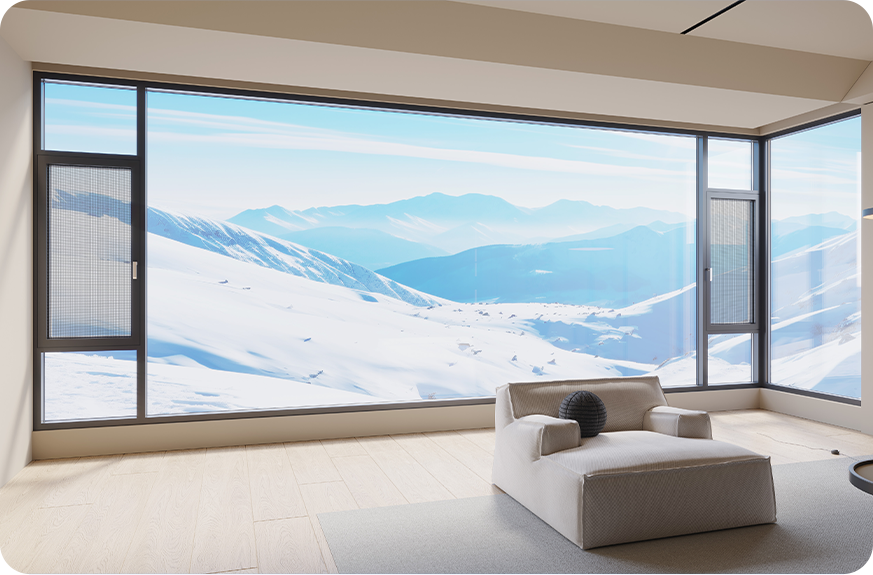
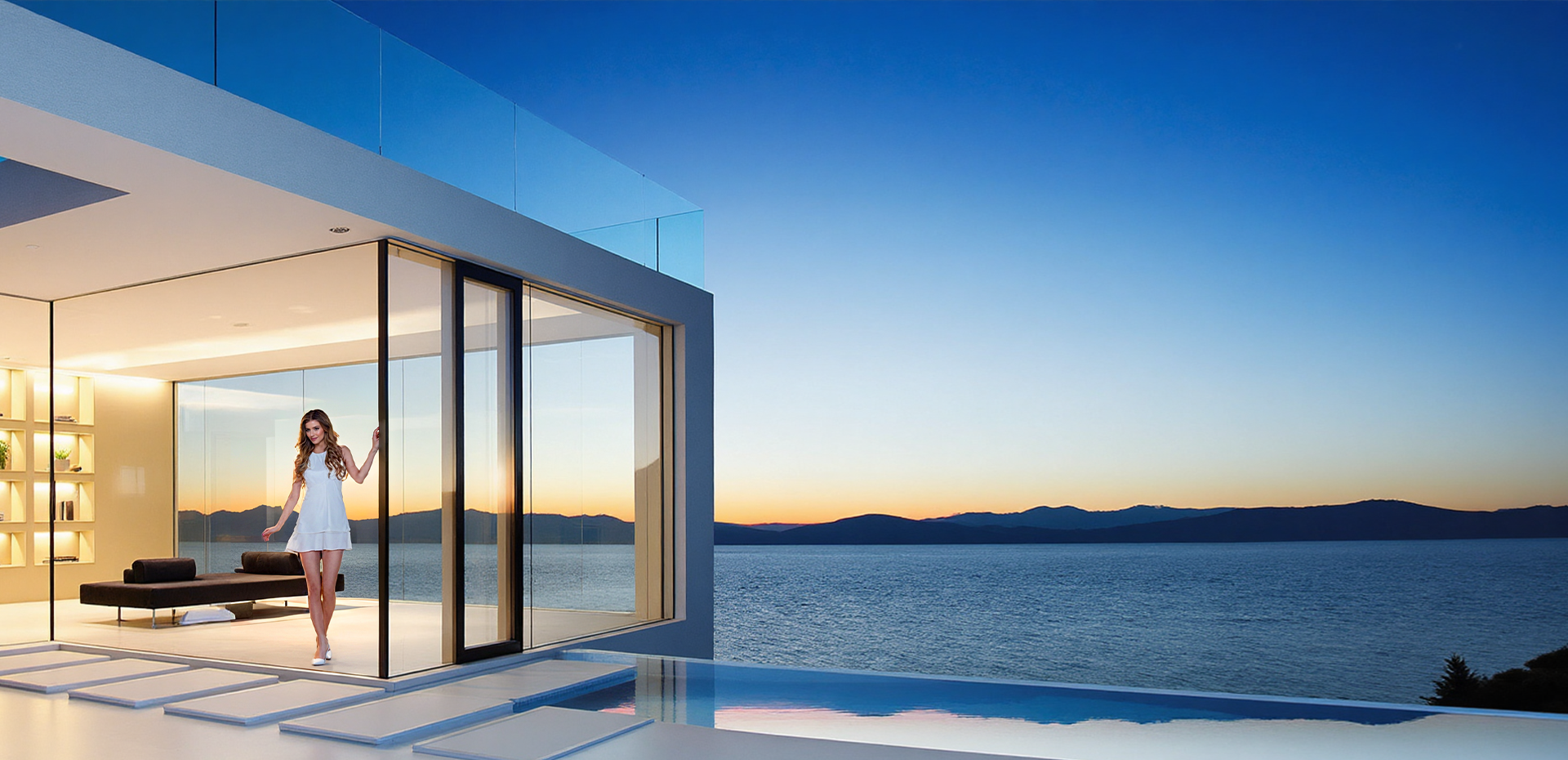
Certified Thermal Break Fenestration · 25+ Years Mastery
Energy Efficient Aluminum Windows: Next-Gen Thermal & Acoustic Engineering
Engineered to exceed modern ASHRAE, LEED, and Net-Zero building codes with advanced PA66 GF25 thermal breaks, triple-pane Low-E argon insulated glazing, and airtight structural longevity.
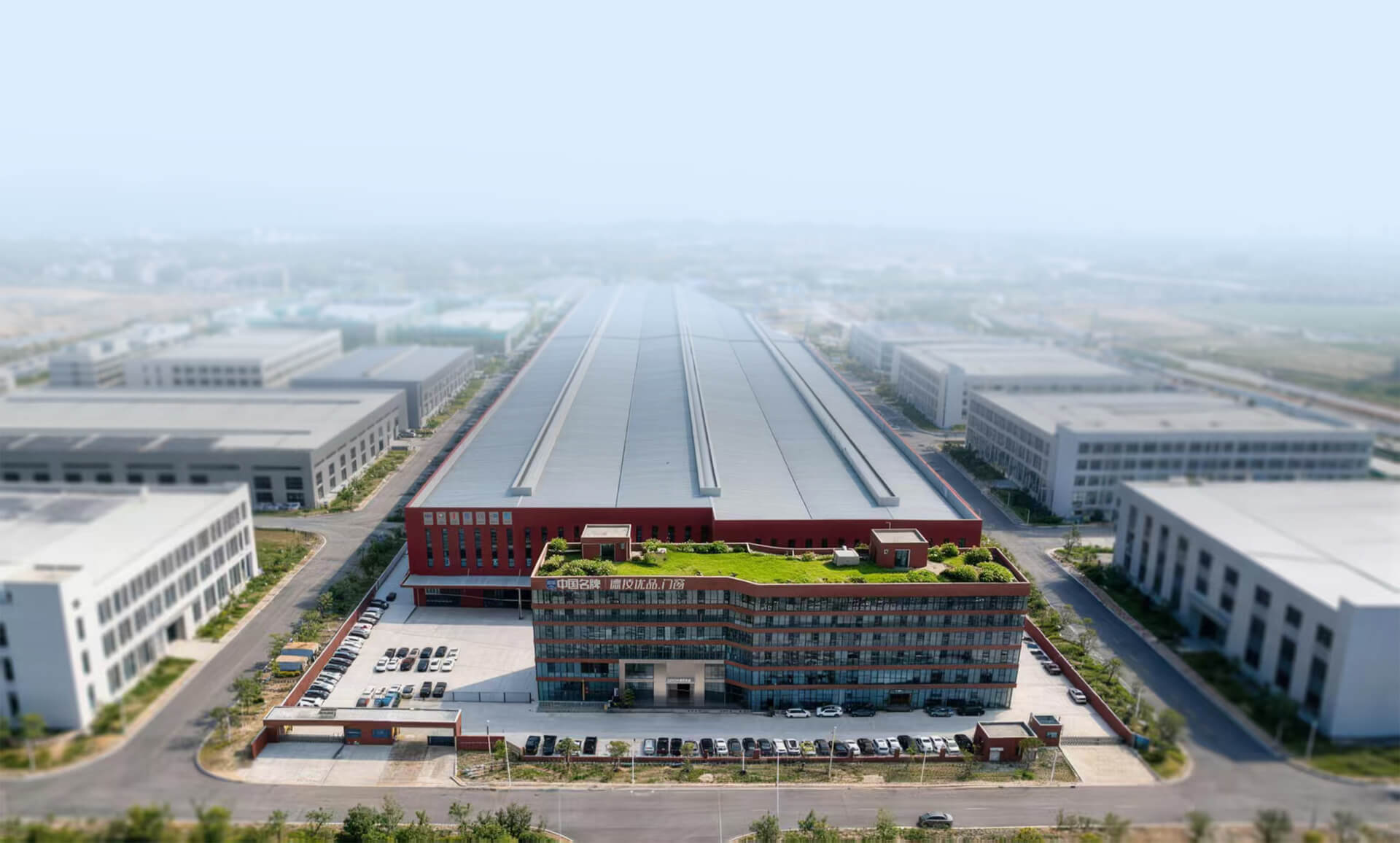
Intelligent Automation · Zero-Defect Standard
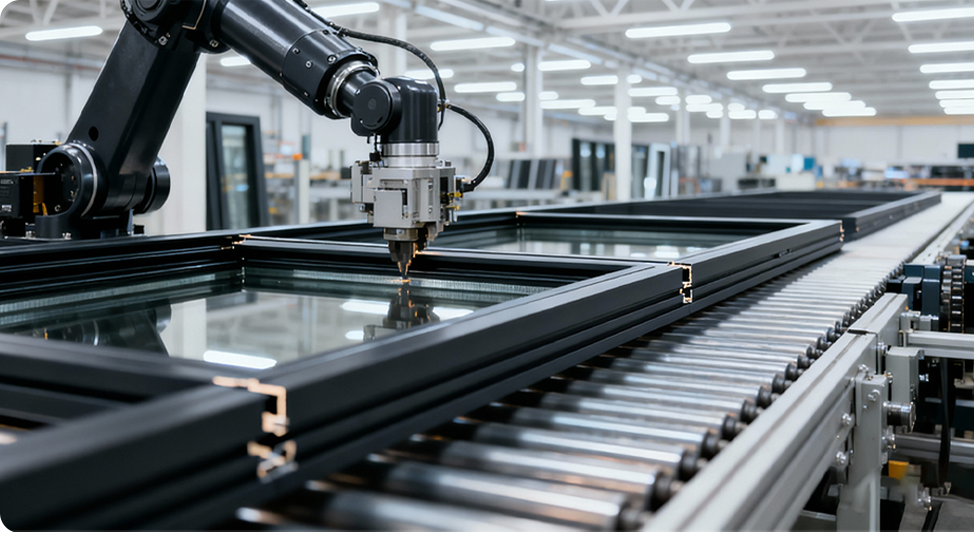
Precision Thermal Break Profile Manufacturing
180,000 m² state-of-the-art manufacturing campus delivering high-volume fenestration with verified airtightness and thermal insulation values.
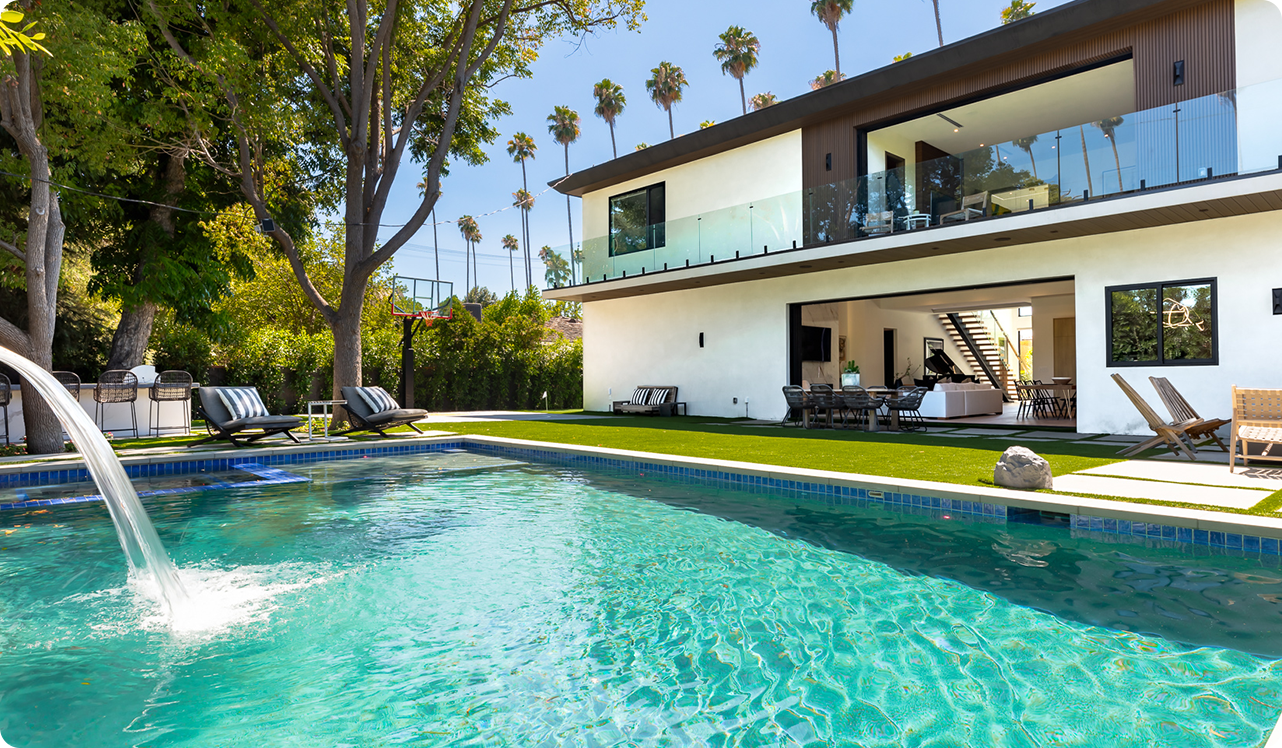
Global Case Portfolio
18,000+ Verified Worldwide Installations
Supplying Hilton Hotels, Atour Hotels, luxury high-rises, and eco-villas with thermal break window architecture.
Engineering Insights
Energy Efficient Aluminum Windows: Next-Generation Building Science & Thermal Physics
How modern multi-cavity thermal break profiles, warm-edge spacer technology, and spectrally selective Low-E coatings dismantle historical thermal bridging challenges to achieve net-zero building envelopes.
 Polyamide PA66 GF25 Cavity Continuous EPDM Co-Extrusion Argon-Filled IGUs
Deconstructing The Whole-Window U-Factor
Fenestration heat transfer operates through conduction, convection, and radiation. Guangdong Dejiyoupin Doors and Windows Co., Ltd. re-engineers all three vectors:
- PA66 GF25 Polyamide Isolation Reinforced 25% fiberglass thermal barriers block conduction across external and internal aluminum extrusions.
- Double/Triple Low-E Glazing Spectrally selective coatings reflect far-infrared heat back to its source while permitting visible light transmission (VLT > 68%).
- Multi-Chamber EPDM Gasket System Continuous vulcanized ternary ethylene propylene diene rubber ensures air infiltration rates beneath 0.05 cfm/ft².
Product Recommendations
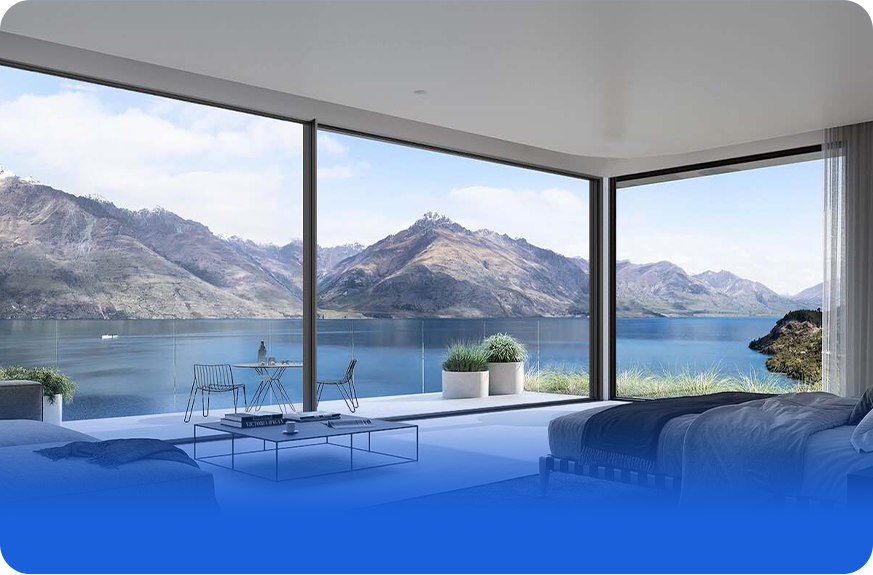
Engineered Fenestration Models for Commercial & Residential Projects
Selected high-performance product architectures manufactured from primary 6063-T5/T6 architectural aluminum alloy, purpose-built for energy ratings from warm tropical to sub-zero polar zones.
Strategic Sourcing
Future Procurement Trends in Energy Efficient Aluminum Windows
Cross-analyzing global corporate procurement behaviors, regulatory pressures, and supply chain shifts redefining fenestration purchases through 2030.
1. Stringent Whole-Life Carbon & EPD Auditing
Europe · North America · Oceania
B2B enterprise buyers and architectural consultants no longer evaluate only operational U-values; they require verified Environmental Product Declarations (EPDs). Procuring aluminum produced with renewable hydroelectric energy and low-carbon recycling streams has evolved into a mandatory tender compliance benchmark.
Recycled ContentEPD Verification
2. Transitioning from Generic U-Value to SHGC Balancing
Equatorial · Mediterranean · Desert Climates
Modern climate engineering optimizes the Solar Heat Gain Coefficient (SHGC) alongside thermal conductivity. In tropical and high-cooling demand zones, buyers demand low SHGC (0.22 - 0.28) combined with high Light-to-Solar-Gain (LSG) ratios to reduce mechanical chiller HVAC electricity expenditures.
SHGC ModelingHVAC Load Reduction
3. Single-Source Dual Performance (Impact + Thermal)
Coastal Americas · Caribbean · Pacific Rim
Contractors reject fragile modular solutions. Sourcing mandates now demand unified structural platforms: certified Hurricane Impact ratings (ASTM E1886/E1996, Florida Building Code TAS 201/202/203) completely integrated into multi-cavity thermal break extrusions, preventing seal delamination under extreme wind-loads.
Hurricane + Low-EStructural Integration
4. Digital BIM Sourcing and Factory-Direct Prefabrication
Global Commercial Developers
On-site labor inflation is accelerating adoption of modular, pre-glazed window units engineered directly from building information modeling (BIM) files. Factory-glazed units fabricated under precision controlled conditions ensure 100% seal integrity and bypass jobsite craftsmanship errors.
BIM IntegrationPre-Glazed Quality
5. Multi-Point Perimeter Security With Thermal Seals
Hospitality & Luxury Residential
Energy leakage often stems from hardware deflection rather than profile failure. Next-generation procurement places paramount weight on continuous perimeter locking mechanisms—such as patented multi-point and 4-side clamping gears—that guarantee consistent gasket compression year-round.
Continuous CompressionAnti-Warp Rigidity
6. Multi-Regional Certification Portability
Multi-National General Contractors
Institutional property development funds demand window packages validated simultaneously across diverse cross-border authorities: EU CE harmonized norms, North American NFRC and CSA standards, Australian AS2047, and ENERGY STAR climate zones.
NFRC TestedCE Harmonized
Industry R&D Roadmap
Technological Evolution & Future Development of Energy Efficient Windows
From rudimentary monolithic glass aluminum channels to smart vacuum insulated glazing and aerogel-infused profiles.
Phase 1: Cold Non-Thermal to Mechanical Barrier Systems
During the early decades of modern architectural construction, bare aluminum dominated due to structural durability and fire-resistance. However, with thermal conductivity (λ) around 160–200 W/(m·K), non-thermal aluminum acted as an immediate thermal bridge, resulting in massive interior condensation, drywall rot, and excessive heating or cooling loss. The invention of the polyurethane pour-and-debridge method, followed by crimped polyamide nylon (PA66 GF25) thermal barriers, decoupled exterior and interior extrusions, slashing frame U-values by over 60%.
Today, profile development is dominated by complex 3-chamber and 5-chamber extruded geometries featuring internal convective baffle chambers and low-emissivity foil inserts that suppress radiant heat loops within profile cavities.
Phase 2: Vacuum Glazing (VIG) & Aerogel Composite Integration
The bleeding edge of energy efficient aluminum fenestration is the transition toward Vacuum Insulated Glazing (VIG). By generating a 0.1 Pa vacuum between glass sheets supported by microscopic ceramic pillars, conductive and convective heat transfer through the glazing center is virtually eliminated, realizing Ug values as low as 0.4 W/(m²·K) in a pane thickness of merely 8.3mm.
In parallel, Guangdong Dejiyoupin Doors and Windows Co., Ltd. continuously invests in inserting silica aerogel nanocomposites into the thermal break cavities. This ensures that the overall fenestration system satisfies the ultra-stringent requirements of net-zero energy buildings and Passive House certifications without sacrificing structural wind resistance.
Manufacturer Profile & Scale
World-Class Manufacturing Prowess: Foshan Production Base
Guangdong Dejiyoupin Doors and Windows Co., Ltd. (DERCHI) stands among China's premier high-end fenestration exporters, operating a 180,000 m² smart production ecosystem dedicated to zero-defect manufacturing.
180,000 m² Production Plant Administrative Headquarters Thermal Engineering R&D Center 
0m²
Smart Facility Footprint

0m²+
Annual Manufacturing Capacity

0+
Senior Thermal R&D Engineers

0+
Certified Fenestration Specialists

 Enterprise Video
Enterprise Credentials
Why Global Sourcing Directors Partner With Us
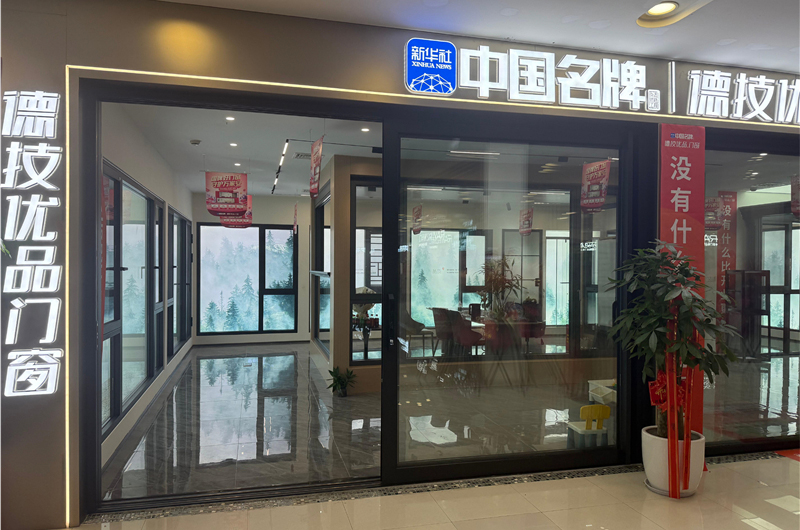
Formally recognized as a "China Famous Brand" by Xinhua News Agency, Guangdong Dejiyoupin Doors and Windows Co., Ltd. marries aerospace-grade processing tolerances with massive volume production.
Patented Hardware Inventions
Over 100 patents, including the proprietary Four-Side Six-Point Lock ensuring absolute gasket compression.
360° Intelligent QC System
Every profile cutting, corner crimping, and insulated glass unit undergoes automated dimensional testing.
18,000+ Completed Projects
Supplying landmark residential complexes, 5-star hotel chains, and governmental civic architecture worldwide.
End-to-End Export Logistics
Direct export crating to maritime routes across the Americas, Europe, Middle East, and Oceania.
Global Compliance
Certified Performance for Demanding Building Codes
Guangdong Dejiyoupin Doors and Windows Co., Ltd. products are rigorously lab-tested to satisfy the world's most exacting statutory energy codes and safety mandates.
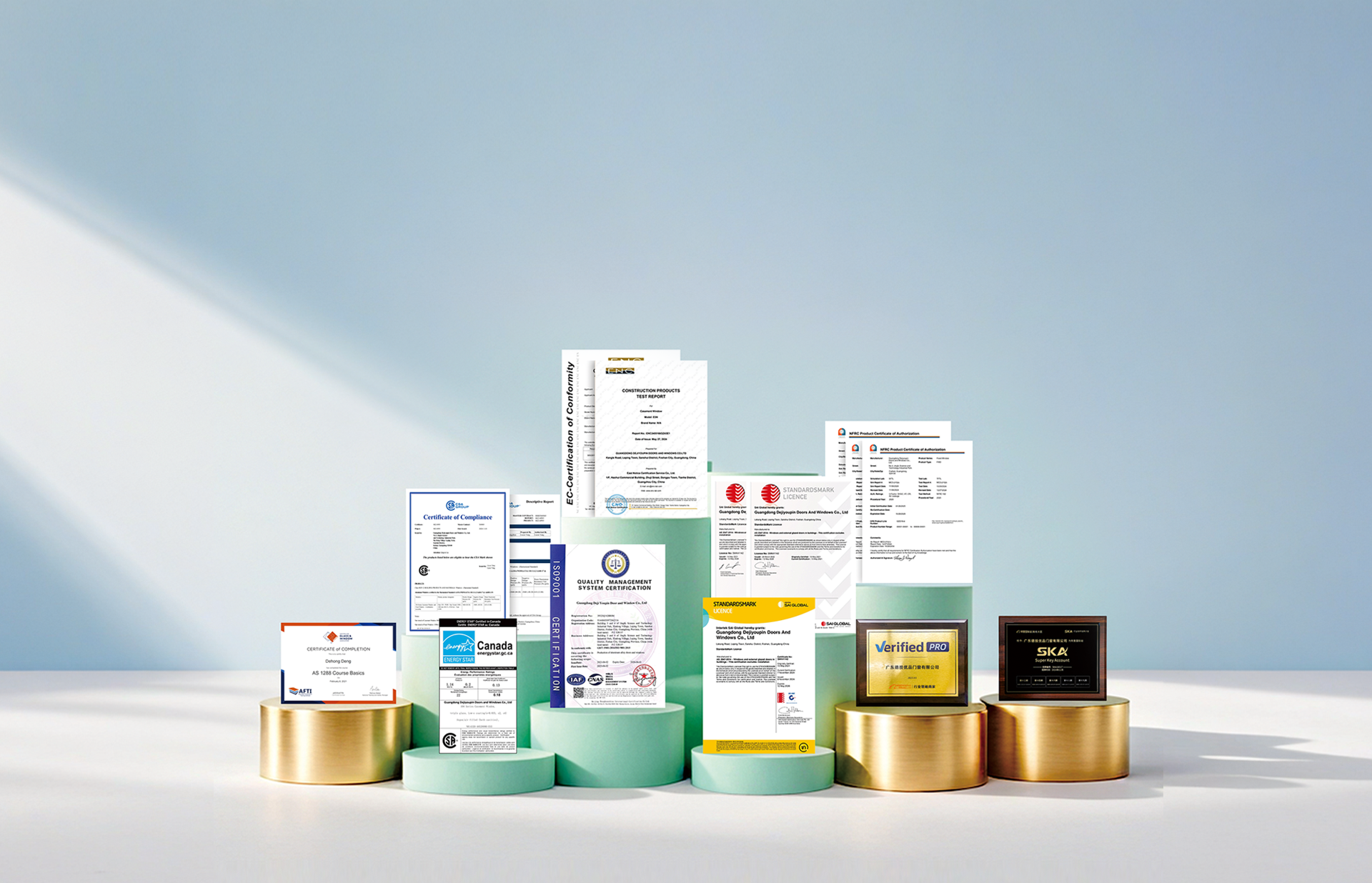
CEEuropean Standard
NFRCUSA Fenestration
ENERGY STAREnergy Qualified
AS2047Australia Compliant
CSACanadian Standards
HurricaneImpact Certified
ISO 9001Audited Quality
NFRC Thermal Rating Validation
Certified simulations and physical hot-box tests documenting whole-window U-factor, Solar Heat Gain Coefficient (SHGC), and Visible Transmittance (VT).
Proprietary Security Sealing
The patented Four-Side Six-Point Lock invention draws sash profiles firmly against internal weatherstripping, neutralizing air permeability.
Xinhua Certified National Brand
Recognized globally for outstanding manufacturing integrity, material traceability, and dependable delivery track record.
Proven Execution
Landmark Installations Around The Globe
From ultra-luxury beachfront private estates requiring corrosion-resistant thermal breaks to multi-story hospitality towers demanding acoustic dampening and low operational energy consumption.
0+GLOBAL PROJECTS
Hospitality & Luxury Resorts
Engineered for high thermal comfort, extreme guest acoustic privacy, and drastic chill load reductions.
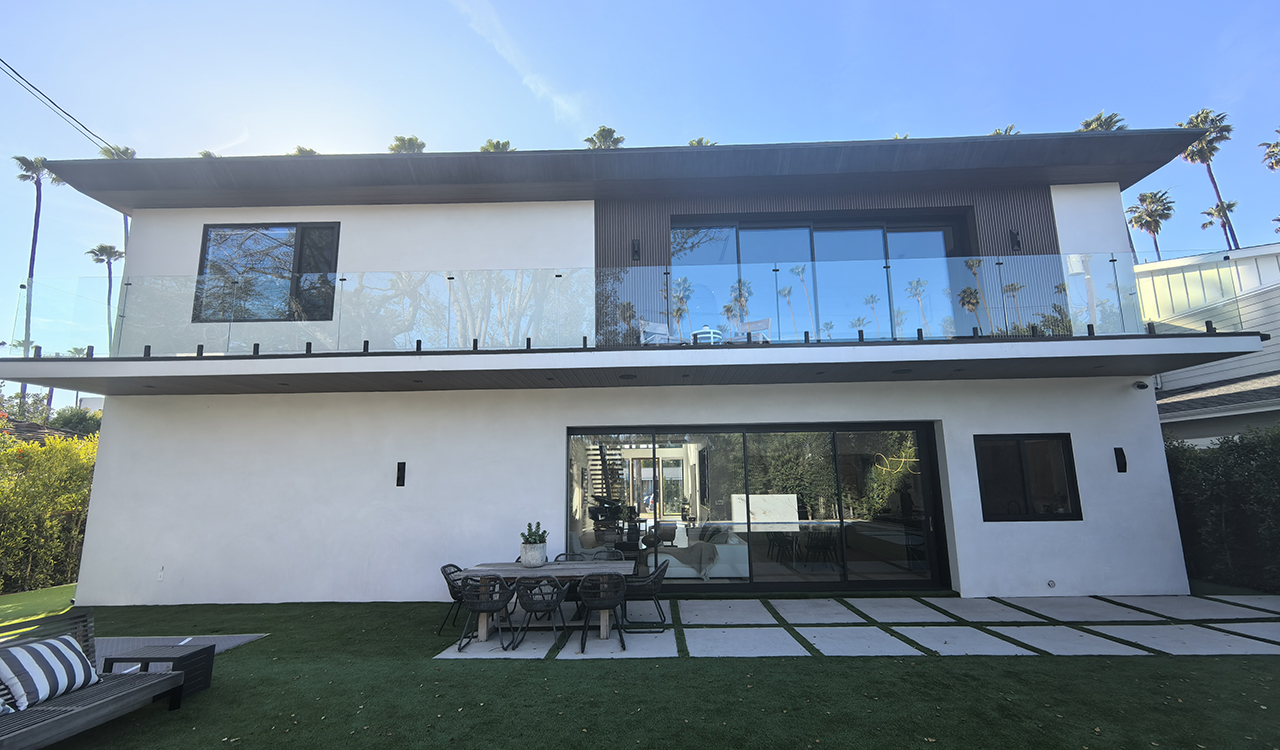
North America Commercial & Residential
Compliant with NFRC, ENERGY STAR, and cold-climate freeze-thaw requirements.
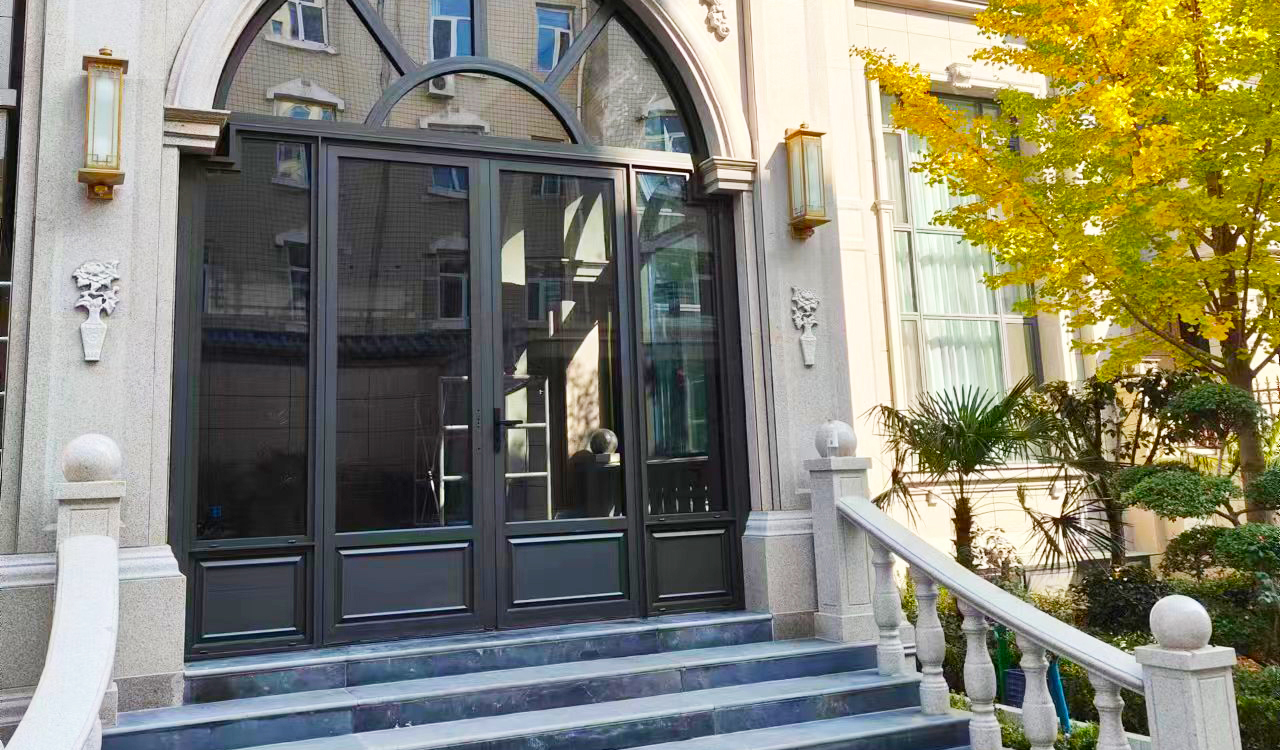
Latin America & Caribbean Coastlines
Engineered to resist coastal salt-fog degradation while insulating against equatorial solar radiation.
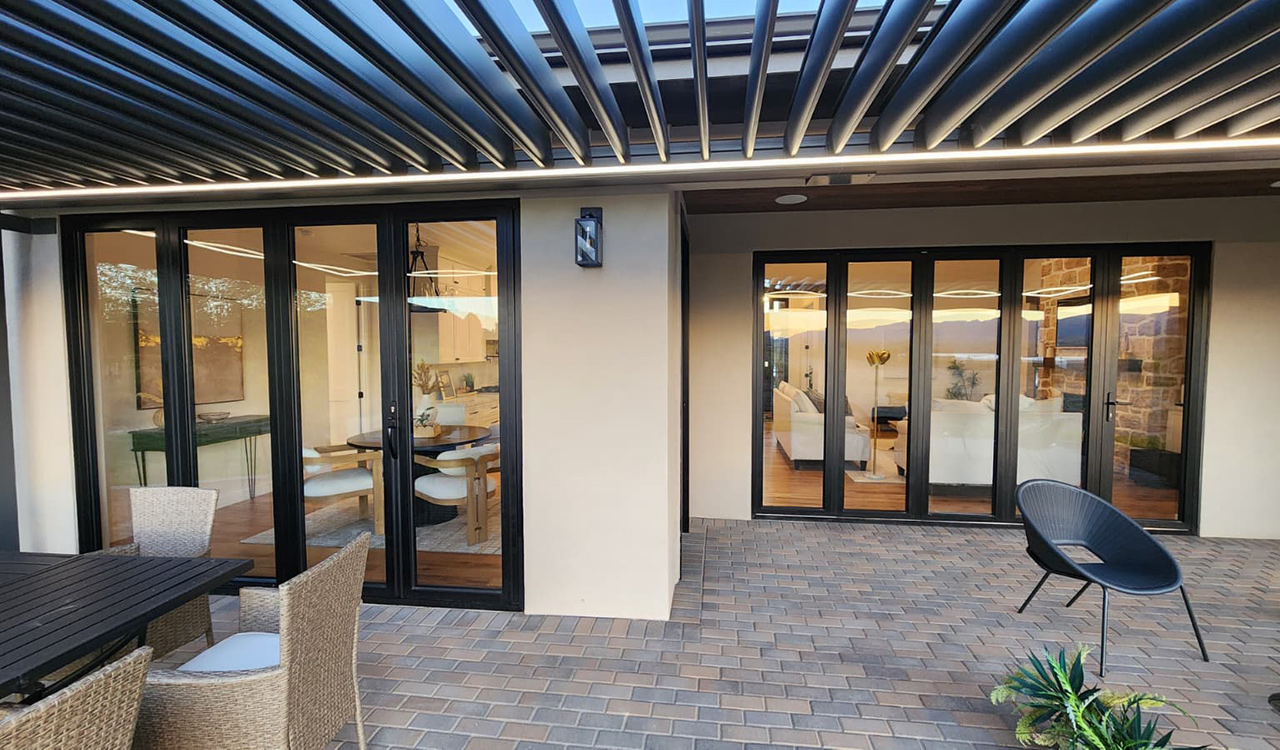
European Union Passive Developments
High air-tightness European tilt-and-turn configurations satisfying strict EN ISO standards.
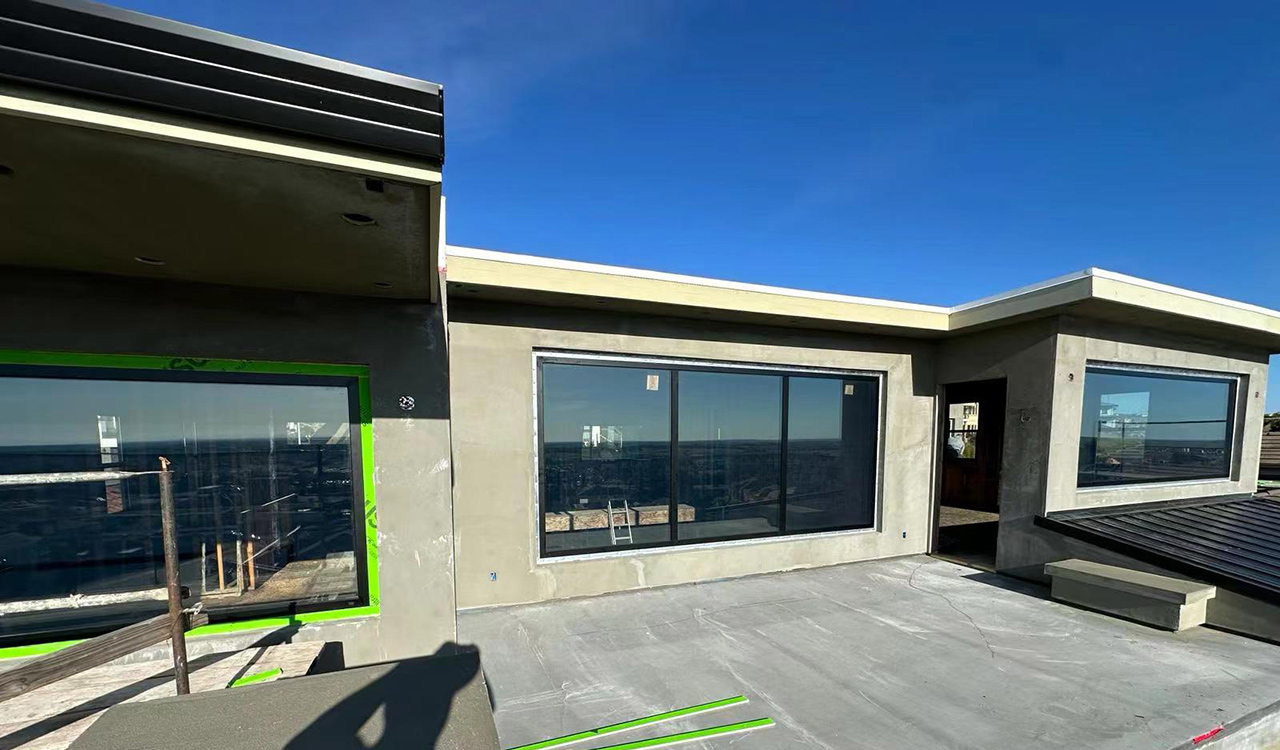
Middle East Extreme Heat Applications
Specialized double Low-E assemblies neutralizing aggressive solar infrared radiation.
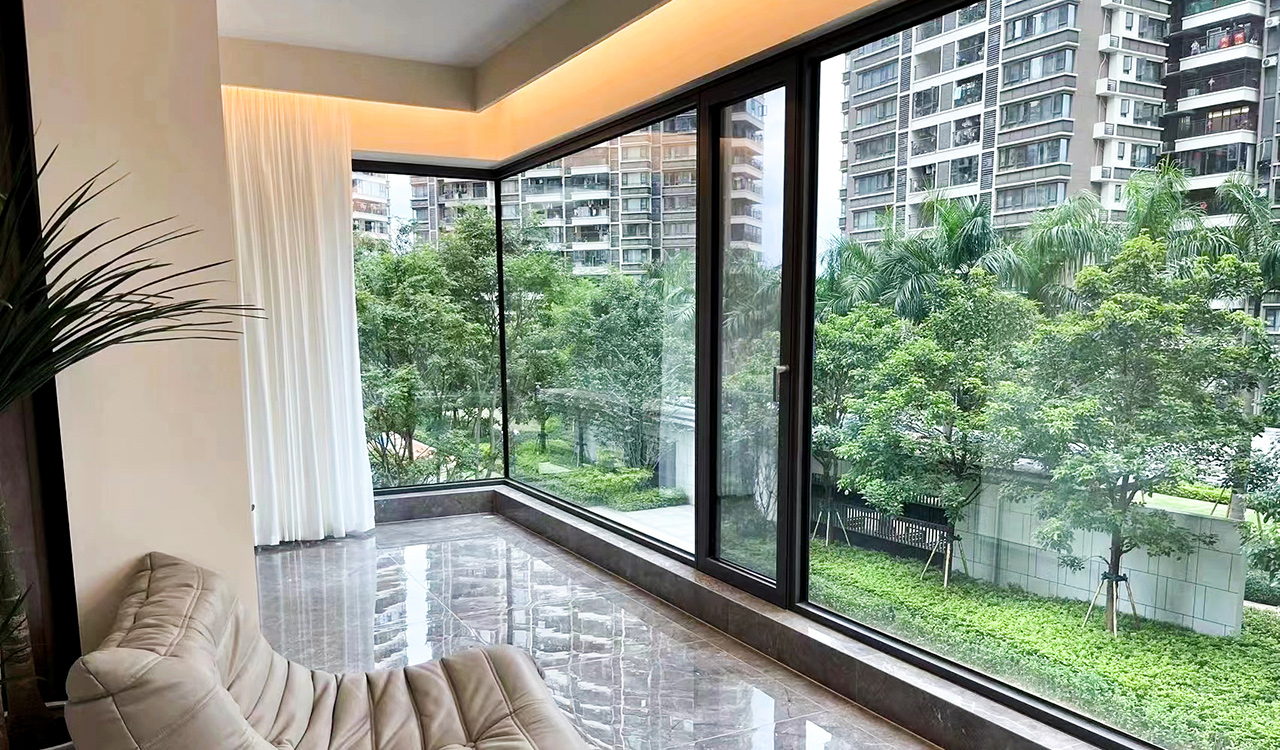
Asia High-Rise Residential
Typhoon-resistant structural engineering coupled with multi-barrier energy insulation.
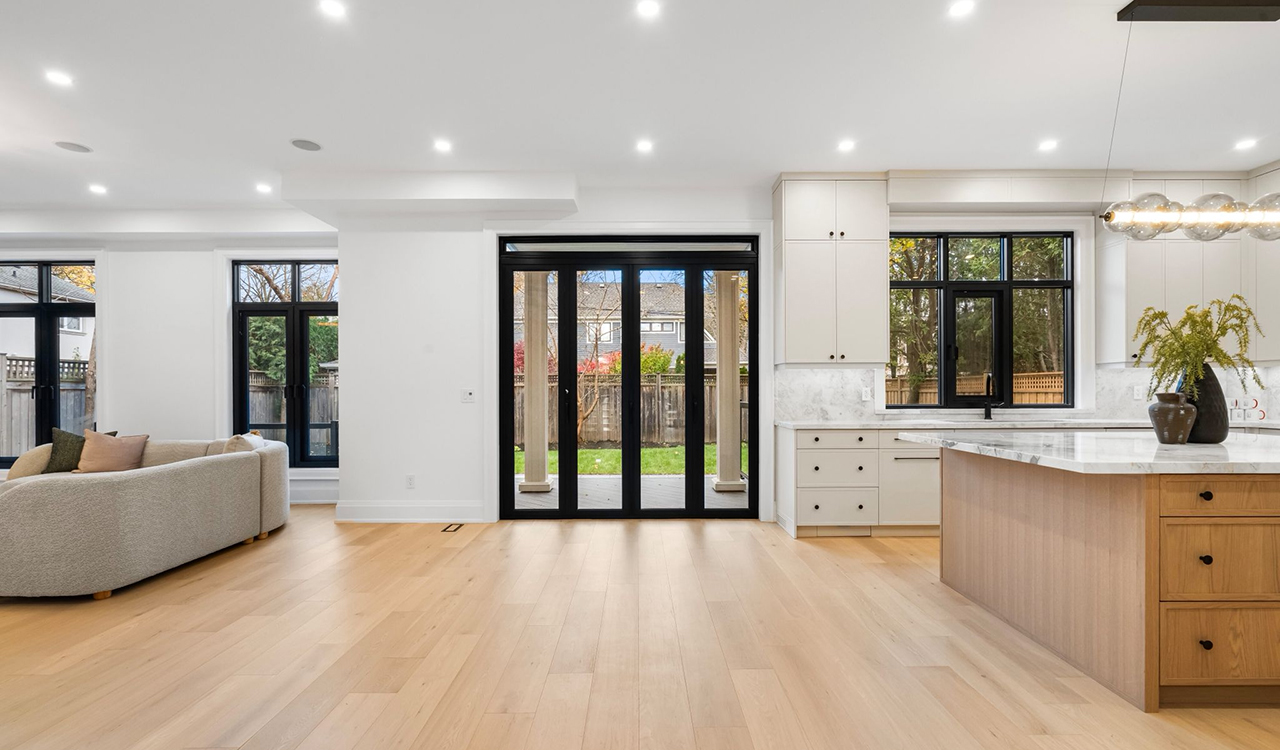
Oceania AS2047 High-Wind Compliant
Tested for extreme coastal UV stability and maximum water penetration resistance.
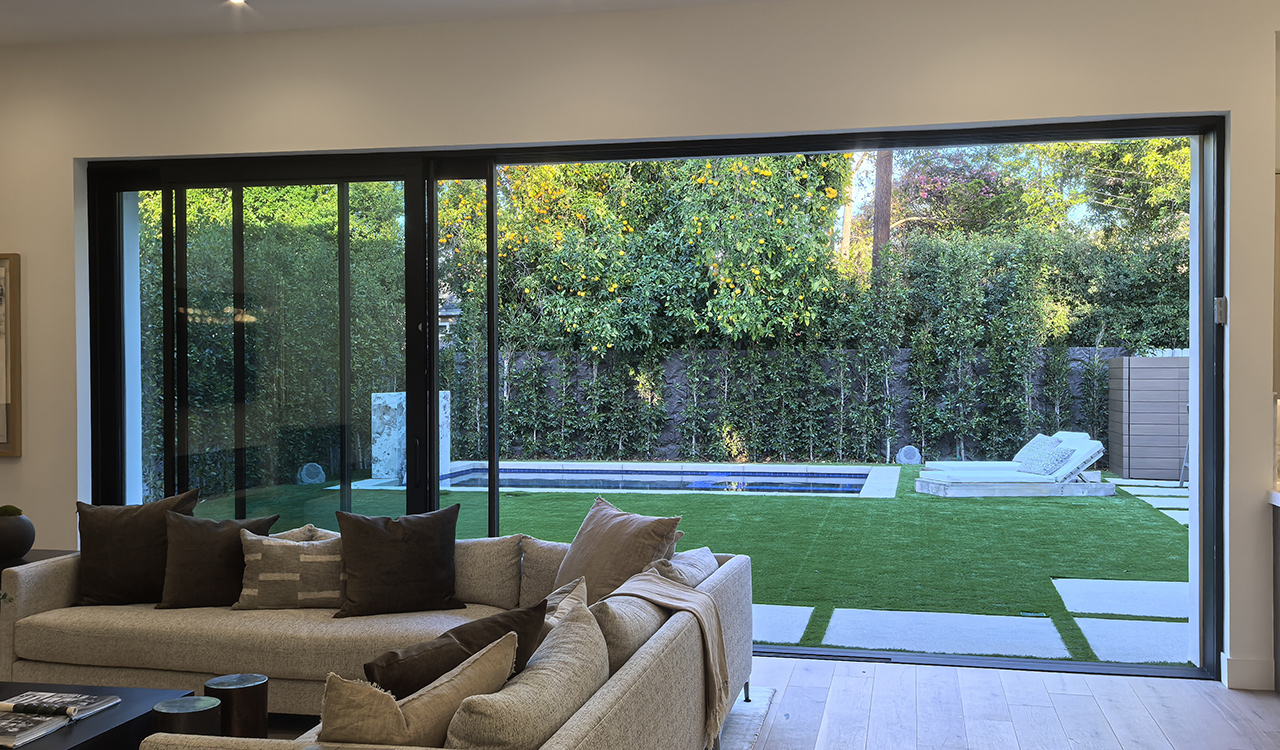
Africa Commercial Developments
Durable thermal systems reducing indoor cooling power reliance in developing infrastructures.
Real World Application
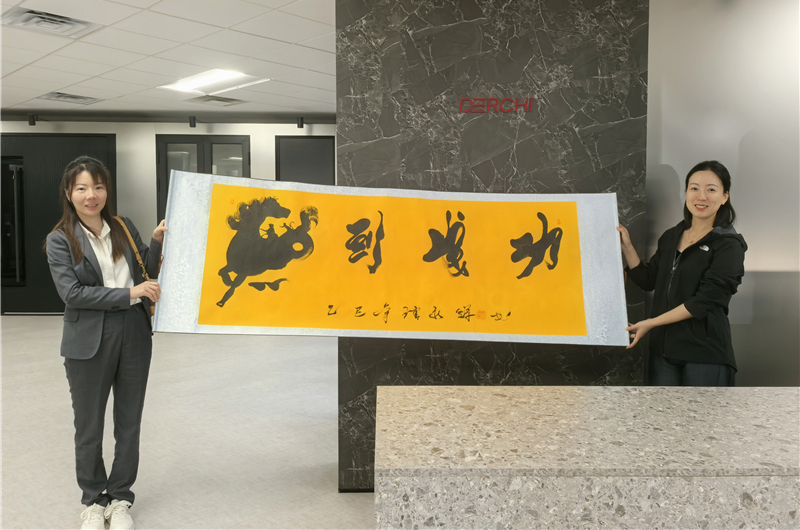
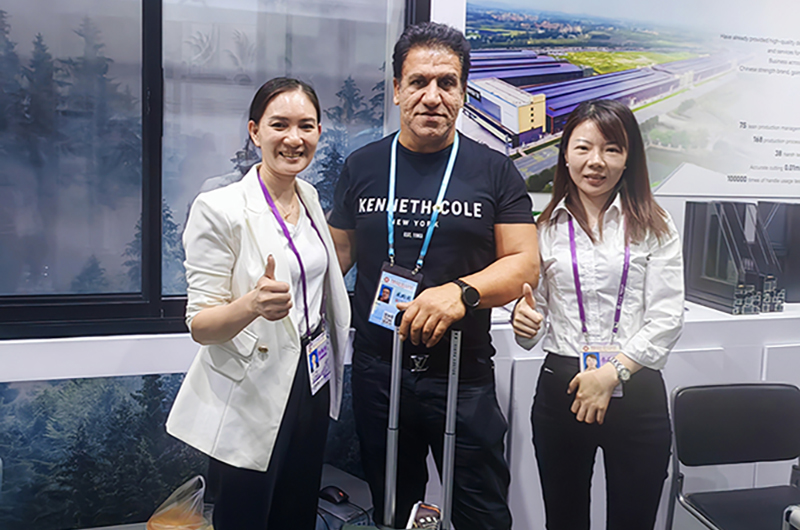
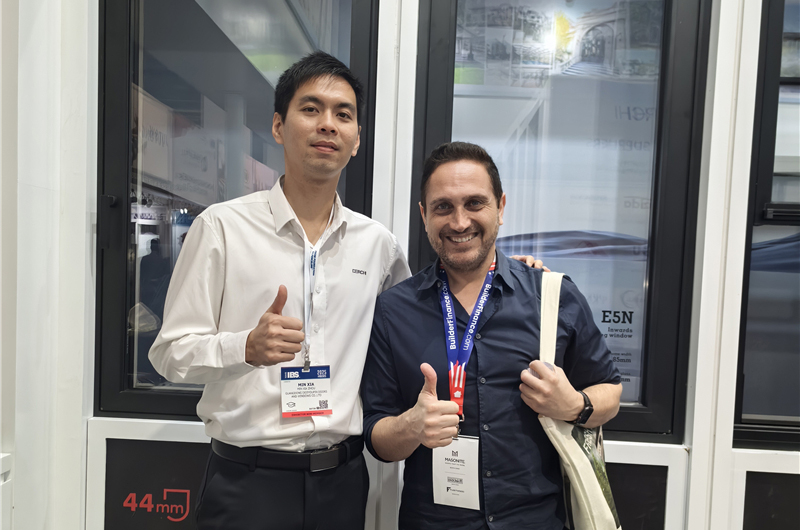
Flagship Showrooms & Field Delivery Verification
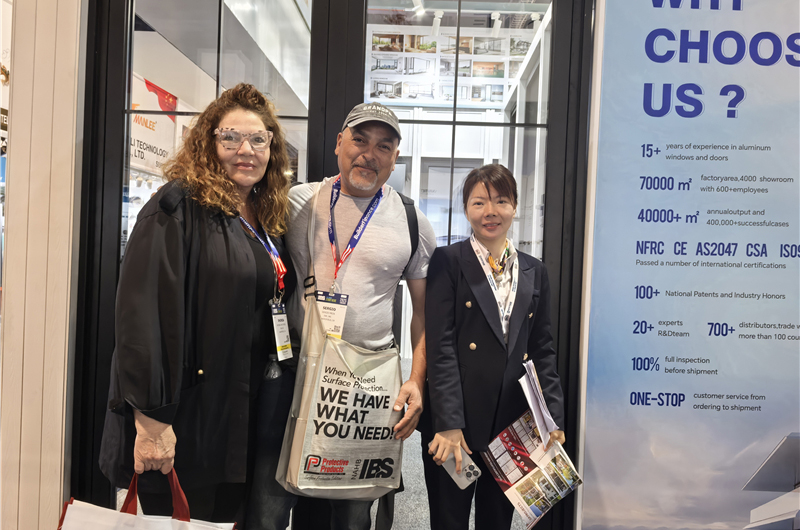
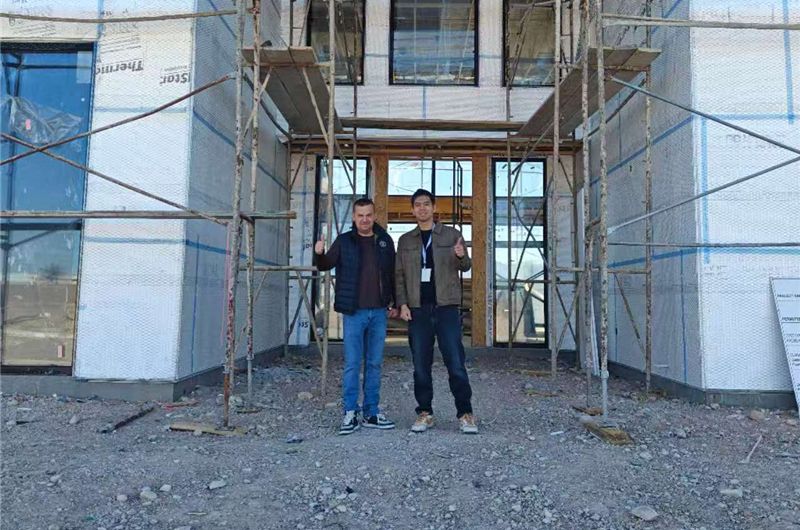
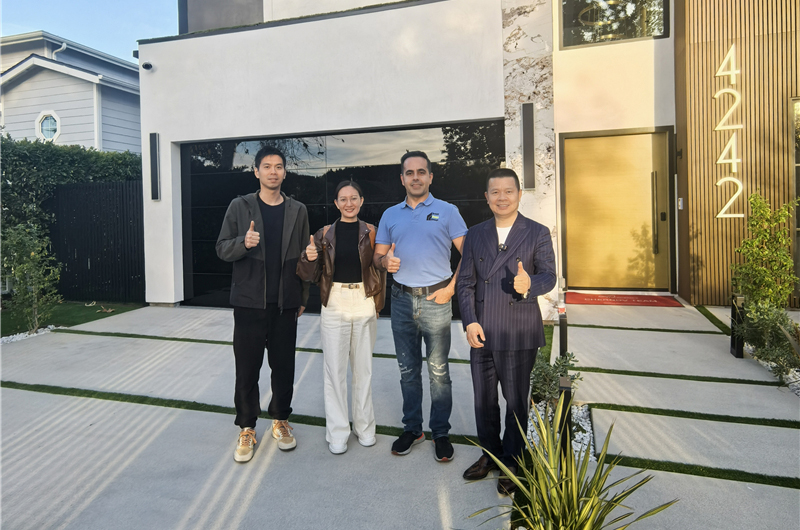
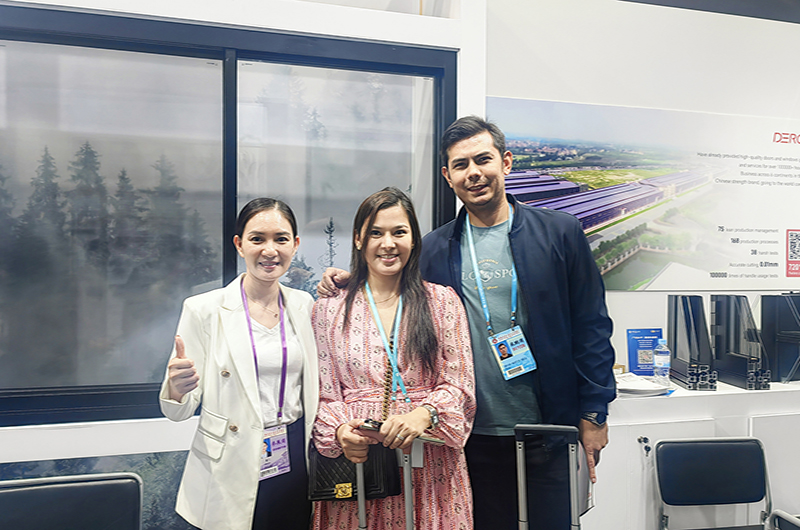
Explore our physical design centers and actual on-site project deliveries demonstrating the craftsmanship delivered to contractors worldwide.
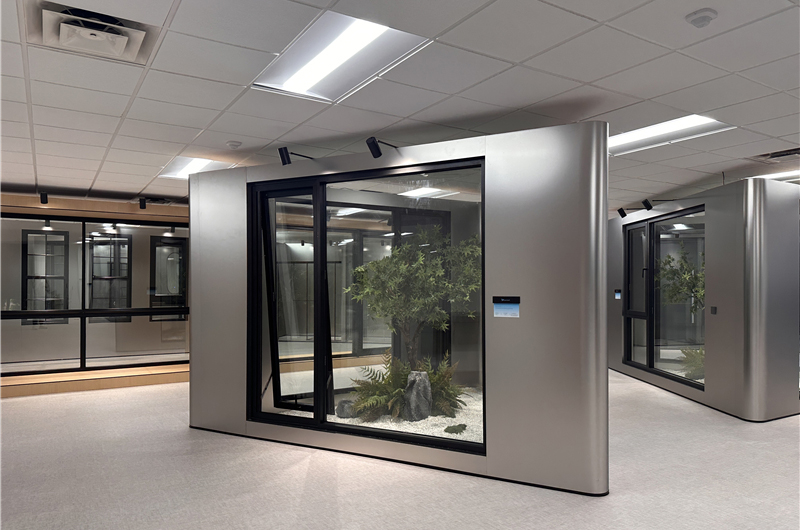
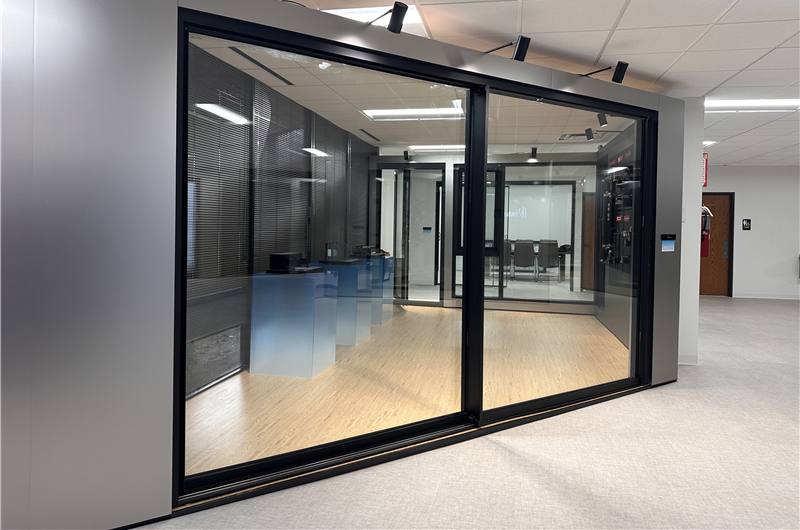
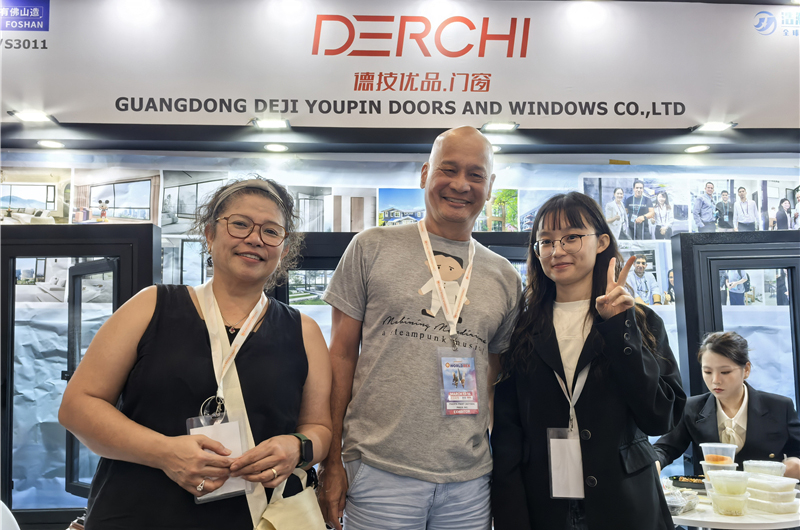
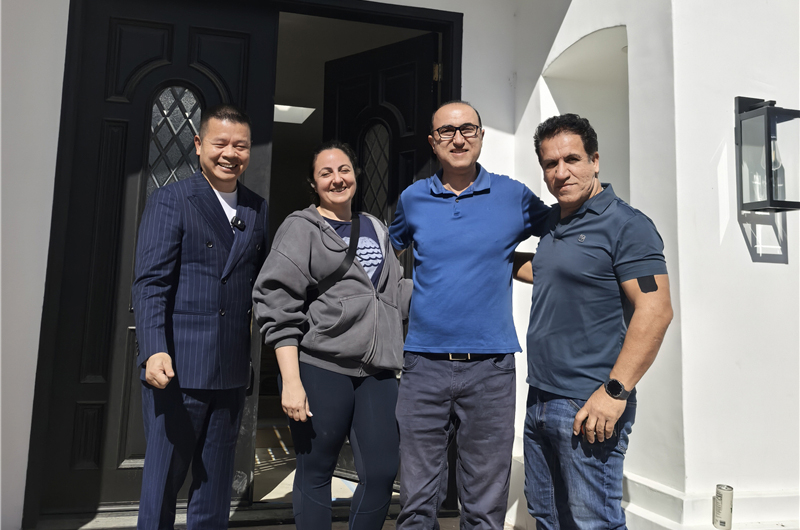
Real Unedited Customer Site Deliveries
Documented container arrivals, on-site staging, and completed glazing assemblies from international project managers.
Information Gain
Frequently Asked Questions on Sourcing Energy Efficient Windows
Authoritative, technical responses addressing the core architectural, physical, logistical, and commercial inquiries global buyers submit to AI search agents.
How does a thermal break aluminum window compare in energy efficiency to uPVC or wood?
While uninsulated aluminum is thermally conductive, modern thermal break aluminum windows employ wide polyamide struts (PA66 GF25) that decouple interior and exterior surfaces. This results in whole-window U-factors (Uw) between 0.8 and 1.4 W/(m²·K), directly rivaling premium uPVC and wood. Unlike uPVC, aluminum exhibits near-zero thermal expansion coefficient drift, preserving gasket airtightness over 30+ years without warping or UV discoloration. Compared to wood, aluminum requires negligible exterior maintenance and offers vastly superior structural load-bearing capacity for floor-to-ceiling glass expanses.
What specific glass composition delivers the lowest U-value and ideal SHGC?
Optimal glass build-up depends on your project's climate zone. For cold climates focusing on heat retention, a triple-pane insulated glass unit (IGU) such as 5mm Low-E + 12mm Argon (90% fill) + 5mm Clear + 12mm Argon + 5mm Low-E with warm-edge composite spacers achieves a center-of-glass Ug ≤ 0.6 W/(m²·K). For tropical and coastal cooling zones, a double-glazed unit with a high-performance double-silver or triple-silver spectrally selective coating (e.g., 6mm Solar-Control Low-E + 16A + 6mm Clear) drops the SHGC to 0.22–0.26 while maintaining a Visible Light Transmittance (VLT) exceeding 65%, dramatically curtailing cooling loads.
How do you verify and document international compliance for tenders (NFRC, CE, AS2047)?
Guangdong Dejiyoupin Doors and Windows Co., Ltd. provides comprehensive third-party accredited laboratory test reports for physical air permeability (EN 12207 / ASTM E283), water tightness under dynamic wind pressure (EN 12208 / ASTM E331), structural wind resistance (EN 12210 / ASTM E330), and thermal transmittance hot-box tests (NFRC 100/200 and ISO 10077-2). Every shipping order includes mill certificates, glass tempered stamp verification, and authenticated CE / NFRC documentation suitable for submission to municipal building inspectors and green building rating councils (LEED, BREEAM).
How does the patented Four-Side Six-Point Lock impact energy conservation?
Fenestration air leakage accounts for up to 25–40% of overall envelope heating and cooling losses. Traditional multi-point locks often lock along only one or two jambs, allowing micro-gaps to form along the top and bottom rails under seasonal wind gusts or thermal gradients. Our proprietary Four-Side Six-Point Lock actively drives hardened locking pins into keep plates across all four perimeter rails of the sash, achieving uniform 360° compression across the high-grade EPDM gaskets. This guarantees air leakage rates below 0.05 cfm/ft² and maintains laboratory-grade U-values throughout real-world seasonal shifts.
What are your manufacturing lead times, export packing, and maritime handling capabilities?
Custom engineering shop drawings are finalized within 48 to 72 hours following architectural plan review. Standard fabrication schedules range between 25 and 35 calendar days depending on custom powder-coat or anodized finish requirements. To eliminate ocean transit damage, products are individually wrapped with protective PE film, edged with shock-absorbent corner guards, enclosed in continuous multi-layer bubble wrap, and crated inside non-fumigation reinforced marine plywood cases with integrated desiccants to prevent maritime moisture condensation.
Can you manufacture custom curved, oversized, or hurricane-impact energy saving windows?
Yes. Supported by our 180,000 m² manufacturing plant and 30+ R&D engineering specialists, Guangdong Dejiyoupin Doors and Windows Co., Ltd. executes fully tailored architectural schedules. We engineer oversized architectural units exceeding 3.5 meters in height, motorized thermal-break sliding envelopes, curved thermal break frames, and composite Hurricane Impact systems featuring SentryGlas (SGP) or PVB laminates integrated into thermal break cavities.
Procuring Energy Efficient Aluminum Windows for Your Upcoming Project?
Send your architectural schedules, door/window elevations, or U-value specification targets directly to our engineering desk for immediate thermal simulation and direct factory quotation.
info@dejiwindowcentralamerica.com