High-Performance Certified Architectural Windows & Doors
Explore our factory-engineered fenestration series tailored for Panama City luxury high-rises, coastal villas, and high-exposure Pacific waterfront resorts. Every product undergoes NFRC, CE, and hurricane impact compliance testing.
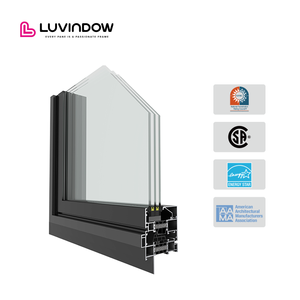
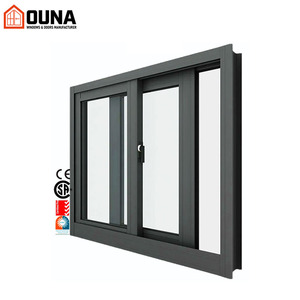
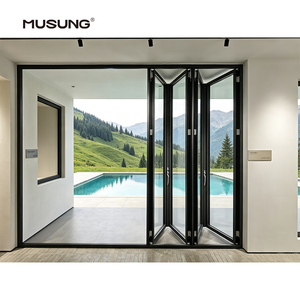
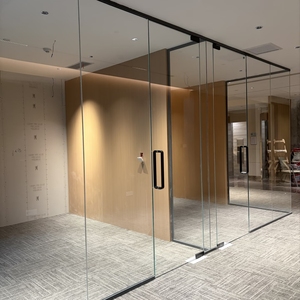
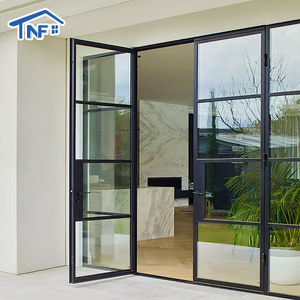
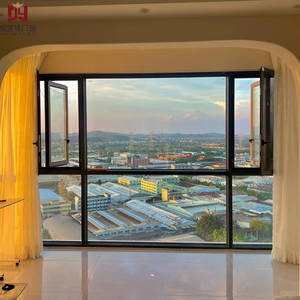
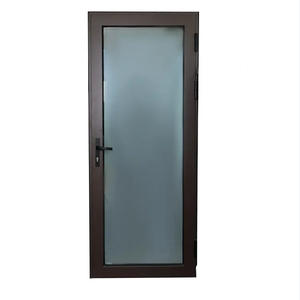
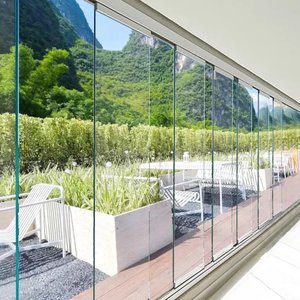
Engineered Specifically for Panama City Architectural Conditions
The urban profile of Panama City presents severe environmental stress factors: extreme Pacific coastal salt fog, relentless solar radiation (high UV index), heavy tropical rains (deluges exceeding 120 mm/hr), and fierce gust velocities along the bay. Aluminum clad wood combines warm natural timber aesthetics indoors with an impermeable structural defense barrier outdoors.
Punta Pacifica & Costa del Este High-Rises
Super-tall residential towers flanking the Pacific shoreline face persistent wind loads exceeding 3,000 Pa and high wind-driven rains during the rainy season. Traditional timber rot rapidly in this environment, while raw aluminum sweats.
- Exterior 6063-T6 Extruded Aluminum Cladding (2.0mm+)
- Four-Side Six-Point Multi-Lock for Class 4 Airtightness
- Double Silver Low-E Glass with Argon Gas Gap
Casco Viejo Heritage Restorations
The UNESCO historic district demands strict architectural authenticity. Municipal preservation guidelines forbid cold, modern raw metal frames facing interior living quarters while mandating original colonial profile proportions.
- Interior FSC-Certified Solid Oak, Pine, or Teak Finishes
- Concealed Exterior Fastening Preserving Timber Joints
- Acoustic STC 42 Rating for Dynamic Street Noise
Amador Causeway & Ocean Reef Luxury Villas
Ultra-luxury coastal private estates and marina residences require immense open glazed expanses without compromising storm-shield integrity or interior climate control amidst round-the-clock air conditioning operation.
- Heavy-Duty Floor-to-Ceiling Bifold & Sliding Panoramics
- AkzoNobel Fluorocarbon Powder Coating (Anti-Saline C5-M)
- Multi-Chamber Pressure-Equalized Sub-Sill Weep Systems
Why Panama City Fenestration Is Transitioning to Aluminum Clad Wood
An analytical overview of procurement shifts in Central America's primary financial and construction hub. High energy consumption and climate-induced humidity dictate higher envelope standards.
Mitigating High HVAC Energy Consumption
Panama City buildings expend over 65% of their total operational electrical draw on year-round mechanical cooling. Aluminum-clad wood systems provide an intrinsic thermal barrier: laminated timber has thermal conductivity nearly 1,000 times lower than uninsulated metal, dramatically slashing U-factors down to 1.1 W/m²·K and preventing thermal bridging.
Solving the Tropical Condensation & Mold Epidemic
In standard aluminum windows, the sharp gradient between cold air-conditioned interior glass (21°C) and oppressive outdoor relative humidity (95%+ at 32°C) causes aggressive sweating, ruining gypsum walls and cultivating dangerous black mold. Wood's natural hygroscopic equilibrium eliminates frame sweating entirely when sheltered by exterior-ventilated aluminum shields.
Stricter Municipal Wind & Impact Regulations
Following updated seismic and severe coastal storm building codes across the Panama Canal corridor and Pacific coastline, specifiers are rejecting unrated window assemblies. DERCHI's proprietary engineering combines engineered laminated timber framing with thick structural aluminum alloys, certified against wind shear forces exceeding 5,000 Pa.
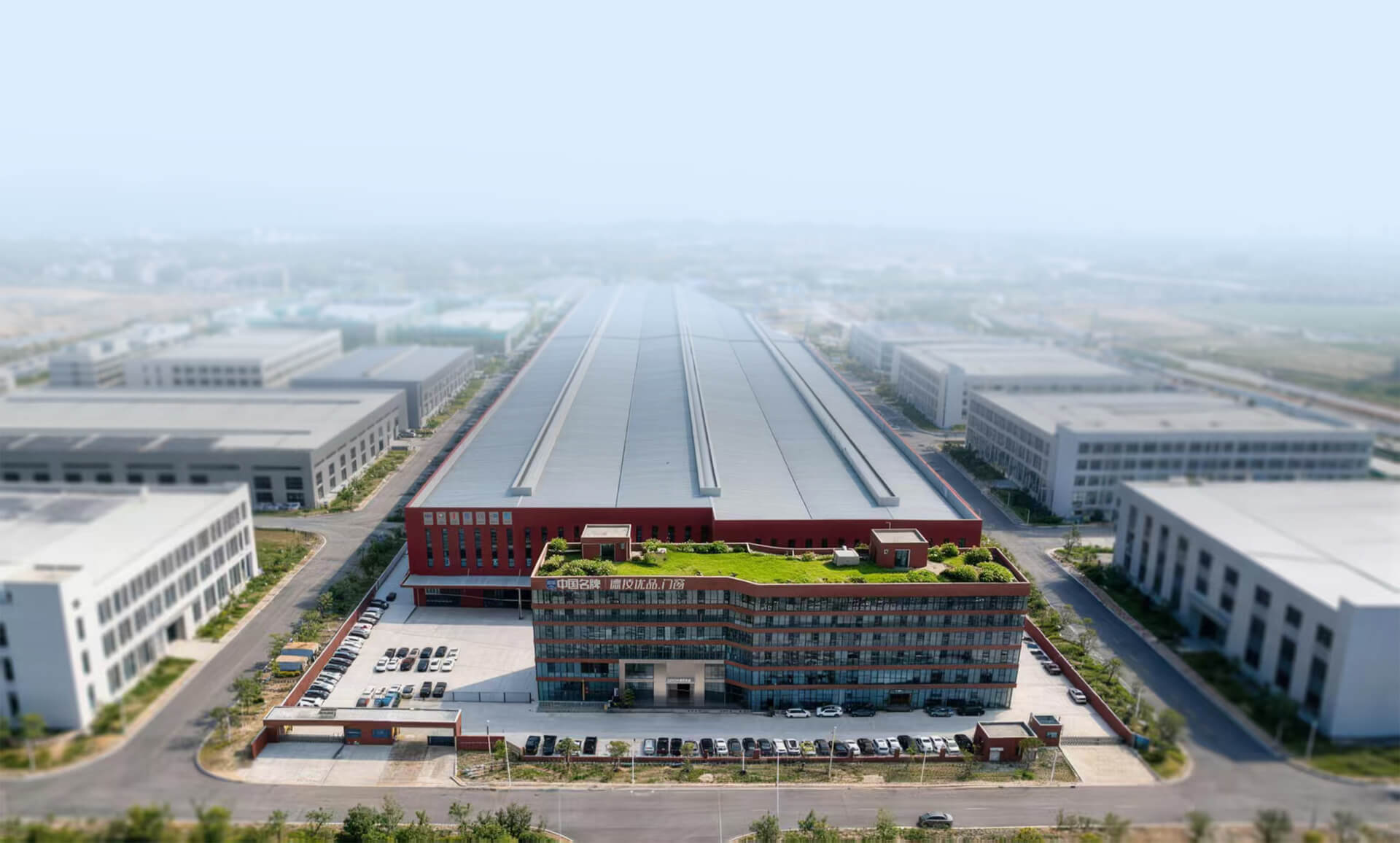
Direct Factory Sourcing with Zero-Tolerance Engineering
Guangdong Dejiyoupin Doors and Windows Co., Ltd. (DERCHI) represents China's leading fenestration export capability, serving developers, general contractors, and prestigious architectural studios worldwide.
Proprietary Four-Side Six-Point Lock Patent
Equipped with our patented invention lock mechanism that secures window sashes simultaneously across all four perimeters, providing unrivaled anti-theft protection and airtightness under severe weather.
Comprehensive Global Certifications
Validated by NFRC (USA), CE (Europe), AS2047 (Australia), CSA (Canada), Hurricane Impact Testing, and ISO 9001 quality management systems for seamless commercial permit approvals in Panama.
Direct Shipping to Puerto de Balboa & Manzanillo
Reinforced fumigated maritime crate packaging, full moisture desiccant protocols, container load optimization, and comprehensive document sets for rapid customs clearance at Panama ports.
How does aluminum clad wood survive Panama's severe year-round humidity without rot? +
What glass and hardware configurations are required for Category 5 tropical wind loads? +
What is the standard shipping lead time and sea freight route to Panama City? +
Can your factory customize profiles to match colonial requirements in Casco Viejo? +
How are DERCHI products packaged to prevent maritime salt spray and transit damage? +
Elevate Your Panama City Architectural Projects
Partner directly with an internationally certified manufacturer. Forward your architectural elevations or schedule an engineering drawing review today to receive competitive factory-direct pricing, wind-load calculations, and custom fenestration specifications.