Security & Storm
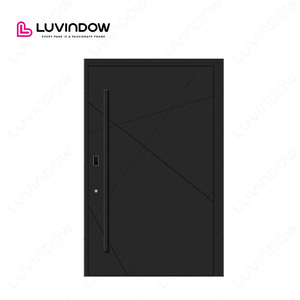
Aluminum Profile Main Door With Reinforced Corners for Storm Security Door
Heavy-Duty Alloy · Reinforced Sashes
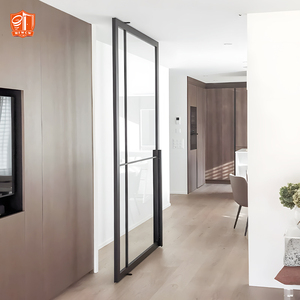
From high-durability reinforced storm doors and ultra-slim pivot entry systems to soundproof sliding glass units, our Foshan-engineered portfolio delivers uncompromising architectural elegance combined with structural resilience.
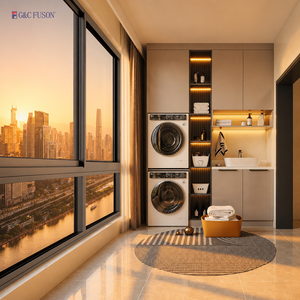
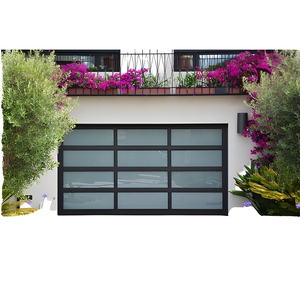
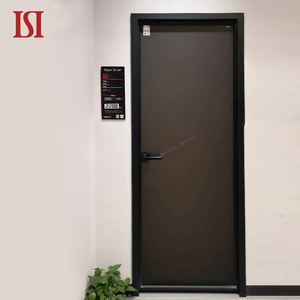
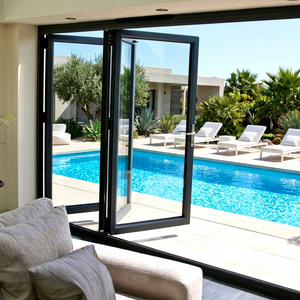
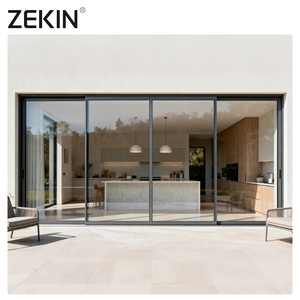
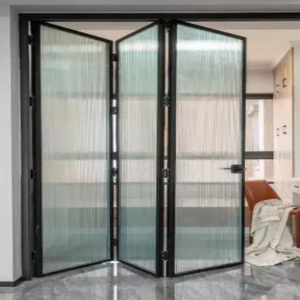
Masaya represents one of the most demanding microclimates in Central America. Situated between Lake Masaya (Laguna de Masaya) and Lake Nicaragua, and dominated by the active Masaya Volcano caldera complex, construction envelopes encounter a multi-variable stress profile rarely seen in ordinary fenestration design.
The constant emission of degassing sulfur dioxide (SO₂) from Santiago Crater interacts with high atmospheric moisture to form airborne sulfuric acid (H₂SO₄) droplets. Standard powder coatings oxidize and chalk within 18 months in Masaya and neighboring Ticuantepe. Our exterior aluminum claddings utilize Fluorocarbon (PVDF 70% Kynar 500) and AAMA 2605 specifications, alongside Grade 316 stainless steel friction stays and fastenings that resist sulfur corrosion and premature pitting.
Masaya lies directly upon the active Central America Volcanic Arc and the Cocos-Caribbean plate subduction zone. Rigid window installation methodologies result in shattered glazing during frequent seismic tremors. Our engineering specifies perimeter sub-frame tolerance pockets of 15mm-22mm coupled with structural neutral-cure silicone and floating EPDM gasket seals. This configuration absorbs interstory lateral drift without imposing racking forces onto the primary insulated glass unit.
With solar irradiance frequently peaking during the dry season (Verano) and sustained ambient temperatures above 33°C, uncontrolled solar radiation overtaxes HVAC infrastructure. DERCHI aluminum clad wood systems incorporate an interior solid timber thermal barrier (U-factor ≤ 0.28 BTU/hr·ft²·°F) combined with double-silver Low-E argon-filled units. This yields a Solar Heat Gain Coefficient (SHGC) below 0.24, stopping condensation while protecting interior hardwood flooring.
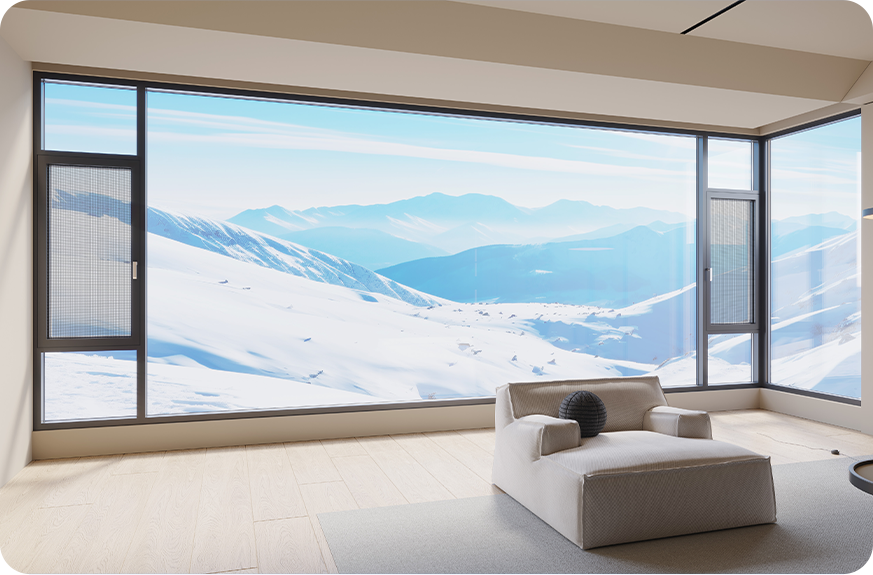
Masaya is celebrated as the "Cradle of Nicaraguan Folklore," featuring a rich vernacular architectural tapestry that mirrors historic Granada and León. Historic residential estates, boutique hotels near the Malecón de Masaya, and private fincas in the surrounding meseta demand an authentic timber aesthetic to maintain colonial harmony.
Traditional single-pane timber windows rot quickly under Central American torrential monsoons (May to November) and fall prey to termite infestations. Aluminum clad timber architecture resolves this dichotomy completely: interior real American Oak or Teak brings rich heritage warmth, while the exterior aluminum shell shrugs off moisture, termites, and solar degradation.
Cross-referencing building permit volumes in the department of Masaya, Managua metropolitan corridor expansions, and luxury eco-resort masterplans highlights four decisive structural trends shaping regional architectural demand.
Modern residential developers are breaking down interior-exterior barriers with flush-threshold bifold and multi-slide pocket doors. These systems open living zones directly onto courtyard pools and volcanic vistas while maintaining an airtight seal during torrential rain.
Nicaragua's private commercial sector is aggressively prioritizing green building certifications (such as IFC EDGE and LEED). High-performance thermal break windows are transforming from a luxury option into a structural mandate to curtail annual energy expenditures.
Urban growth along the Carretera a Masaya (linking Managua, Masaya, and Granada) creates acute acoustic challenges. Double-glazed configurations with asymmetrical glass thickness (e.g., 6mm + 12Ar + 8mm laminated) drop transit noise by up to 42 decibels.
With seasonal Caribbean tropical storms often sweeping moisture across the continental divide into Western Nicaragua, contractors now routinely demand water-tightness ratings exceeding 450 Pascals (Class 9A) for exposed exterior elevations.
| Performance Criterion | Local Basic Aluminum (Single Glass) | Standard PVC Windows | DERCHI High-Spec Aluminum Clad Windows |
|---|---|---|---|
| Volcanic Gas & Acid Resistance | Rapid pitting; mill-finish oxidation within 12-18 mos | Surface yellowing and embrittlement from UV & sulfur | 3-Coat PVDF / Anodized Class 1 (No degradation observed) |
| Thermal Conductivity (U-Value) | ~5.8 W/m²·K (Severe indoor heat buildup) | ~2.2 W/m²·K (Moderate performance) | ≤ 1.4 W/m²·K (Substantial A/C power reductions) |
| Seismic Flex & Frame Integrity | Prone to permanent corner joint distortion | Corner welded joints fracture under shear stress | Reinforced corner corner keys with dynamic EPDM isolation |
| Forced Entry Security Rating | Single-point latch (High vulnerability) | Standard multi-point lock (Flexible sash vulnerability) | Patented Four-Side Six-Point Lock + Laminated Core |
| Acoustic Isolation (STC Rating) | STC 22 - 25 dB (Traffic and rain noise audible) | STC 28 - 32 dB (Moderate acoustic dampening) | STC 38 - 45 dB (True acoustic sanctuary performance) |
Operating a state-of-the-art 180,000 m² smart production base in Foshan, China, DERCHI brings comprehensive industrial capability, rigorous quality control, and decades of international fenestration engineering expertise to Central American developments.


Shipping custom architectural fenestration overseas requires specialized handling and packaging. A scratched profile or cracked glass unit on a project site in Masaya can halt construction schedules for weeks. DERCHI operates a strict zero-defect export packaging process:

Key technical, financial, and logistical insights for architects, structural engineers, developers, and private homeowners planning projects in Nicaragua.
Our systems feature high-grade aluminum extrusions finished with fluorocarbon (PVDF 70% Kynar 500) coatings or premium electrostatic powder finishes meeting AAMA 2605 specifications. This architectural barrier shields the frame from sulfur dioxide (SO₂) gas and acidic rain precipitation, preventing the surface pitting and chalking common with lower-tier mill finishes.
Production lead times generally range between 25 and 35 working days, depending on custom profile requirements and glass configurations. Ocean transit from Shenzhen or Nansha to Puerto Corinto averages 28 to 35 days. Bonded transit by road from Puerto Corinto to your job site in Masaya or Managua typically completes within 48 to 72 hours following customs release.
Yes. Our architectural team routinely creates historic profiles incorporating simulated divided lites (SDL), authentic exterior muntin arrangements, traditional colonial arch transoms, and interior real wood finishes (such as American Oak, Teak, and Walnut). These options honor regional aesthetics while delivering modern structural performance, weatherproofing, and thermal insulation.
For properties along the busy Carretera a Masaya corridor, we recommend an insulated acoustic configuration: 6mm Low-E Tempered + 12mm Argon Space + 4mm Clear + 0.76mm PVB + 4mm Clear laminated glass. This build provides an excellent Solar Heat Gain Coefficient (SHGC ≤ 0.22) while achieving a Sound Transmission Class (STC) rating above 40 dB, significantly reducing both traffic noise and heavy tropical rain sounds.
Unlike conventional window designs that rely on a single-point center latch, our patented hardware engages heavy mushroom-head pins into hardened steel strike plates around all four sides of the frame simultaneously. This setup provides strong resistance against forced pry-bar entry while maintaining uniform perimeter gasket compression during high-wind storms.
Every custom order includes full AutoCAD shop drawings, structural anchorage layout plans, and localized installation manuals detailing flashing, EPDM expansion gaskets, and perimeter sealing. Our engineering department also provides live video consultation and on-site engineering supervision for large-scale resorts and multi-unit residential developments.