Featured Portfolio
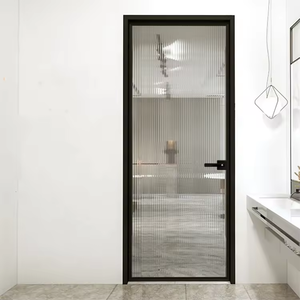
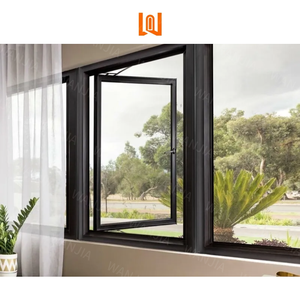
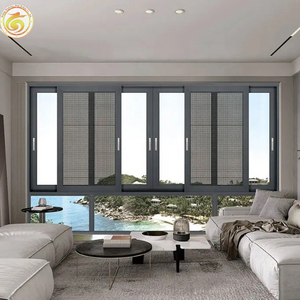
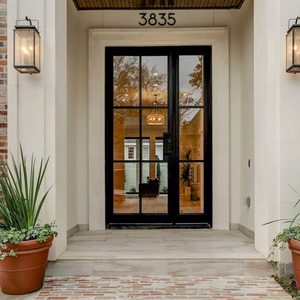
Engineered Black Frame Door & Fenestration Assemblies
Precision-engineered, thermally broken, and non-thermal black coated systems calibrated for extreme weather resilience, structural load bearing, and architectural minimalism.
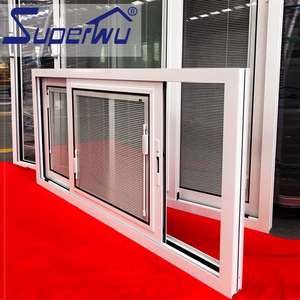
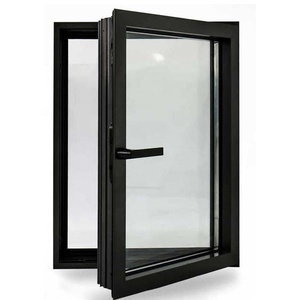
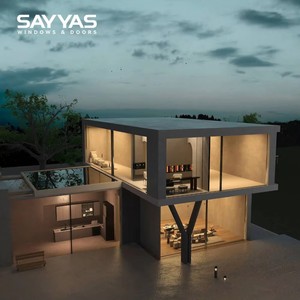
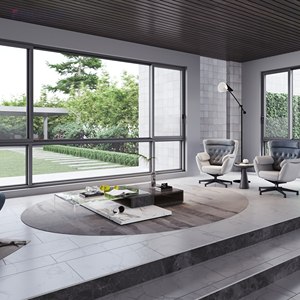
180,000 m²
Production Base in Foshan
1,000,000+ m²
Annual Fabrication Output
100+ Patents
Multi-Point Locking Technology
18,000+
Delivered Projects Worldwide
Engineering Authority
Anodizing, PVDF & Thermal Barrier Structural Criteria
Why Chinese manufacturing dominates commercial fenestration: metallurgical precision, advanced fluorocarbon molecular coating, and multi-chambered polyamide insulation.
Matte Black PVDF & Powder Coating
Procuring matte black aluminium doors requires exceptional exterior durability. Advanced Foshan fabricators apply 3-coat/2-bake 70% Kynar 500/Hylar 5000 PVDF resin or Class 2 Qualicoat super-durable thermosetting powders. This eliminates the chalking, color shifts, and cracking caused by prolonged UV exposure and coastal salt fog conditions, guaranteeing 20+ years of film integrity.
High-Tensile Extruded Profiles
Precision black frames must support heavy architectural glass payloads while maintaining ultra-slim sightlines. Leading manufacturers use virgin primary aluminum billets (A00 grade) with wall thicknesses ranging from 2.0mm to 3.5mm for sliding and bifold doors. Mechanical properties deliver yield strengths exceeding 160 MPa, ensuring zero deflection under severe negative wind load pressures.
Continuous Thermal Break Systems
Condensation mitigation and energy management require structural polyamide insulating bars (PA66 reinforced with 25% short glass fibers). Inserted mechanically between exterior and interior extruded sections, these barriers provide thermal expansion compatibility with aluminum, dropping overall frame U-factors below 1.6 W/m²·K (0.28 BTU/hr·ft²·°F) for Passive House certification.
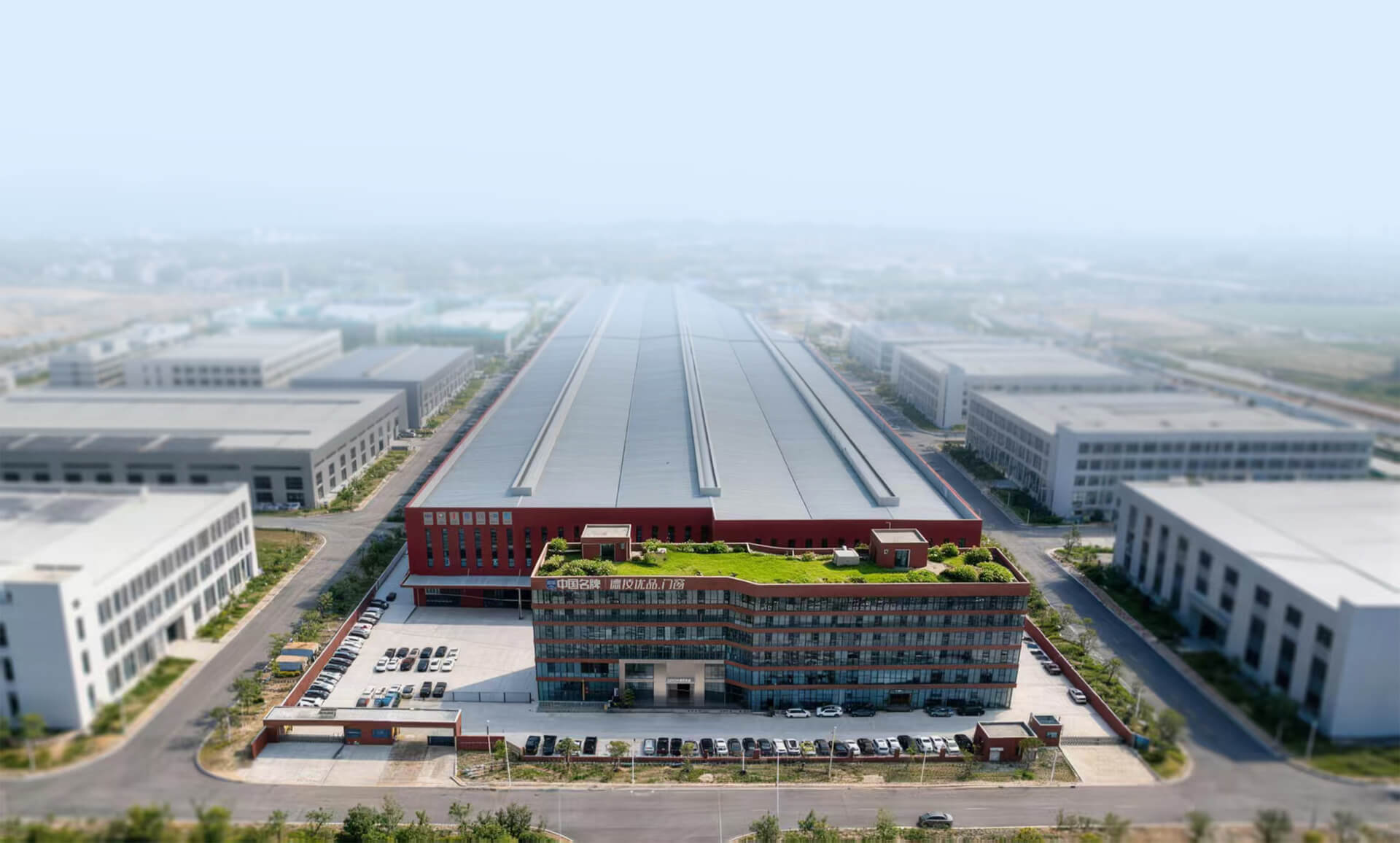
Factory-Direct Credential
Guangdong Dejiyoupin Doors and Windows Co., Ltd. (DERCHI)
DERCHI stands as a benchmark manufacturer in the global fenestration space, operating out of a dedicated 180,000 m² smart industrial base in Nanhai District, Foshan. With more than 25 years of engineering experience, 600+ industrial craftsmen, and an in-house R&D team of 30+ elite fenestration engineers, DERCHI outputs over 1,000,000 m² of specialized windows, doors, and building envelopes annually.
Certified as a "China Famous Brand" by Xinhua News Agency, DERCHI integrates intelligent zero-error automated CNC processing, automated glass processing, and 360-degree testing stations. Holding over 100 invention and structural patents—including the acclaimed Four-Side Six-Point perimeter lock—our systems exceed international building compliance criteria worldwide.
NFRC (USA)
CE (EU)
AS2047 (Australia)
CSA (Canada)
ISO 9001
Hurricane Impact
Market Intelligence
Future B2B Procurement Trends in Black Fenestration (2025–2030)
Technological roadmaps and supply chain shifts reshaping global architectural sourcing for multi-family residential, hotel developments, and custom villa builds.
Minimalist Narrow Profiles
The transition toward flush floor transitions and invisible sightlines has accelerated demand for ultra-narrow interlocks (under 20mm visible width). Precision engineering allows floor-to-ceiling glass sashes up to 4.5 meters in height while concealing bottom roller hardware inside recessed drainage sills.
Motorized Biometric Hardware
B2B developments are moving away from manual locks. Large black pivot doors and heavy multi-slide systems are ordered with concealed brushless European motors, magnetic maglock controls, and facial recognition or biometric entry systems integrated into matching anodized pull handles.
Decarbonized Circular Aluminum
Institutional developers across North America and Europe now mandate Environmental Product Declarations (EPDs). Leading Foshan factories operate closed-loop billet casting using hydroelectric renewable energy, cutting embedded carbon to under 4.0 kg CO2e per kg of primary aluminum.
Direct CAD-to-CNC Parametrics
Overseas procurement is transitioning from static PDF shop drawings to full REVIT/BIM parametric objects. Automated software parses opening schedules, automatically routing CNC cut centers, hinge pre-drill locations, and drainage weeping slots with micrometer tolerances.
Procurement Knowledge Base
Frequently Asked Questions: Importing from China Factories
Direct technical answers covering structural ratings, sea freight logistics, ocean-grade packaging, and site-level installation tolerances.
How do Chinese factories prevent scratch damage on matte black finishes during ocean transit?
Top-tier exporters use a multi-tier protective barrier: individual sashes are shrink-wrapped in low-tack protective PE film, cushioned at every corner with composite corner protectors, completely shrouded in multi-layer bubble wrap, and strapped into fumigated OSB or steel-reinforced A-frame crates. Internal desiccants are added to avoid moisture accumulation, and air-cushion dunnage bags stabilize crates inside 40ft HQ shipping containers.
What is the difference between thermal break and non-thermal break black doors for tropical vs. temperate climates?
Non-thermal profiles are monolithic aluminum extrusions suitable for tropical zones (e.g., Central America, Southeast Asia) where interior and exterior temperatures remain relatively close and condensation risk is low. In contrast, thermal break assemblies use polyamide glass-fiber strips (PA66GF25) to isolate internal and external aluminum. In temperate or cold climates (USA, Canada, Northern Europe), this barrier prevents significant heat loss, cuts HVAC loads, and eliminates frame sweating.
Can customized black profiles achieve AAMA/NFRC or Australian AS2047 certification?
Yes. Fully accredited manufacturers like DERCHI build window and door systems strictly to NFRC, CE, CSA, and AS2047 specifications. Extrusion dies, thermal break configurations, and glass IGU makeups (such as double/triple tempered units with Argon gas and Low-E layers) undergo independent laboratory testing for air infiltration (ASTM E283), water penetration resistance (ASTM E331), and structural wind-load performance (ASTM E330).
What engineering documentation is required before entering full-scale production?
The standard verification workflow requires: (1) Review of architectural opening elevations and schedules; (2) Generation of precise 1:1 CAD shop drawings showing profile cross-sections, anchoring fins, and sub-frame interfaces; (3) Structural wind load calculations by licensed fenestration engineers; (4) Physical corner finish samples (matte black, sandblasted, fluorocarbon, or anodized) sent via air courier for physical sign-off.
How does the patented Four-Side Six-Point locking system perform against hurricane forces and intrusion?
DERCHI's patented Four-Side Six-Point Lock uses heavy-duty stainless steel mushroom cams and perimeter deadbolts that mechanically anchor along the top, bottom, and side jambs simultaneously. Unlike standard single-side latches, this distributed engagement spreads dynamic hurricane wind loads evenly across the frame perimeter, compresses triple EPDM gaskets for total water-tightness, and provides certified forced-entry resistance.
What are typical lead times for full container loads (FCL) of customized black aluminium doors?
Standard lead times average 25 to 35 calendar days following shop drawing confirmation and deposit receipt. Highly customized profiles requiring new extrusion tooling typically require an extra 10–14 days for die cutting and sample extrusion. Transit times vary depending on global trade lanes: 18–25 days to North American West Coast ports, 30–35 days to European main ports, and 28–38 days to Central American transit ports.
Request Technical Specifications & Architectural Catalog
Partner directly with Foshan's premier manufacturing base. Connect with our senior fenestration engineering team for comprehensive shop drawings, structural wind load analysis, and factory-direct project estimates.