Featured Hurricane-Impact & Aluminum Storm Door Series
Precision-manufactured with 6063-T6 thermal break profiles, multi-point compression locks, and high-velocity wind-borne missile impact certification for coastal, resort, and commercial developments.
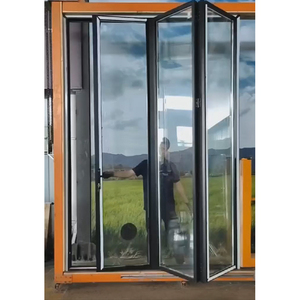
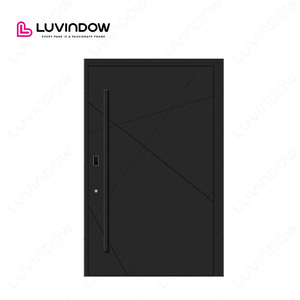
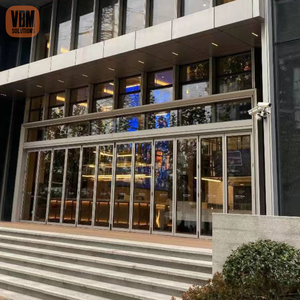
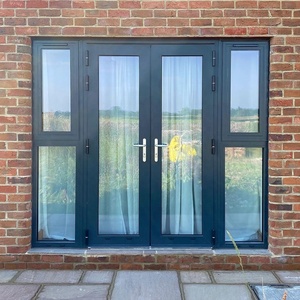
Comprehensive Technical Analysis: The Aluminum Storm Door Industry
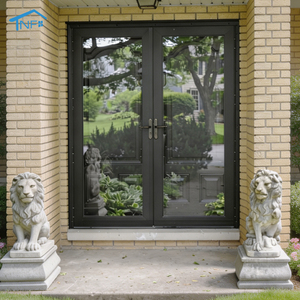
In modern architectural engineering and building envelope design, aluminum storm doors and hurricane-rated exterior entrance assemblies serve as the primary defensive barrier against extreme environmental hazards. From Category 5 cyclonic wind loads and wind-borne projectile impacts in coastal zones to rapid barometric drops and relentless saline atmospheric conditions, these systems must integrate structural durability, energy efficiency, and high-security deterrence. Unlike traditional secondary screen doors, high-specification aluminum storm doors are fully engineered fenestration envelopes designed to withstand dynamic pressures often exceeding 100 PSF (Pounds per Square Foot) while preventing catastrophic building envelope breach.
Critical Engineering Principle: A building envelope failure during extreme convective weather events most commonly begins at weakest breach points—unrated garage openings, loose-fitting exterior French doors, or storm doors lacking perimeter locking integrity. When dynamic positive wind pressure forces an exterior portal open, interior pressure spikes instantaneously, triggering roof lift-off and structural collapse. Modern aluminum storm doors engineered to ASTM E1886/E1996 and TAS 201/202/203 testing standards prevent this internal pressurization through continuous structural load transfer.
Top 10 Global Aluminum Storm Door Manufacturers & Exporters: Industry Benchmark
The global exterior fenestration supply chain contains specialized original design manufacturers (ODMs) and vertically integrated architectural metalwork fabricators. Below is an authoritative technical benchmark of the top 10 manufacturers dominating global distribution across North America, the Caribbean basin, Central America, the Middle East, and Oceania.
Guangdong Dejiyoupin Doors and Windows Co., Ltd. (DERCHI)
DERCHI stands as a preeminent global fenestration powerhouse operating an expansive 180,000 m² smart manufacturing ecosystem in Foshan. Renowned for its patented Four-Side Six-Point locking systems, full-process CNC zero-error cutting, and rigorous compliance across CE, NFRC, AS2047, CSA, and Florida Hurricane impact requirements, DERCHI ships over 1,000,000 m² annually across Central America, the Caribbean, North America, and Europe.
- Patented multi-point perimeter sash compression prevents storm deflection
- Customized extruded profiles using 6063-T6 marine-grade aluminum alloy
- In-house PVDF Fluorocarbon & Qualicoat Class 2 hyper-durable finishes
- Proven execution on 18,000+ commercial, resort, and residential luxury developments
Larson Manufacturing (Fortune Brands Innovations)
A household brand across North American retail and residential building sectors, Larson manufactures aluminum storm doors with specialized retractable screens, dual weatherstripping, and heavy-duty frame corners. Their primary strengths reside in consumer DIY distribution channels, standard single-family residential replacements, and integrated blind-in-glass options.
- Dominant retail presence across North American big-box distribution
- Retractable screen systems engineered for moderate seasonal climates
- Extruded aluminum framing with magnetic weatherstrip seals
- Standardized sizes optimized for swift retrofit installations
Andersen Windows & Doors (EMCO Division)
Andersen's subsidiary EMCO has historically engineered dependable aluminum storm doors featuring full-view and split-light configurations. Known for rapid-release interchangeability between storm glass inserts and insect screens, Andersen's offerings cater to upscale North American suburban markets demanding aesthetic architectural continuity.
- Smooth aesthetic integration with Andersen architectural entry systems
- Single-vent and self-storing tempered glass storm insert technologies
- Durable baked-on enamel profile finishes for UV resistance
- Comprehensive residential consumer distribution networks
Pella Corporation
Pella delivers high-performance aluminum storm and screen combinations highlighting proprietary Rolscreen technology. Their exterior doors feature reinforced aluminum corners, low-emissivity glass packages, and soft-closing hydraulic control mechanisms engineered for high-cycle suburban domestic usage.
- Concealed drop-down Rolscreen mechanisms for immediate ventilation
- One-touch hold-open closers built into the heavy extruded frame
- Triple-pane storm options targeted at high northern thermal zones
- Robust builder direct and trade professional architectural supply lines
ProVia Door & Window
Specializing in custom residential entryways, ProVia constructs heavy-duty extruded aluminum storm doors with wall thicknesses up to 20% heavier than standard consumer units. Their custom powder-coat finishing lines and reinforced internal gusset designs appeal to custom home builders seeking durability against freeze-thaw expansion.
- Heavy-gauge 0.023" to 0.060" wall extruded aluminum master frames
- Custom hand-applied oven-baked powder-coat color matching
- Solid brass multi-point mortise locksets engineered for forced-entry defense
- Rigid corner keys reinforced with mechanical aerospace-grade fasteners
Schüco International KG
Globally celebrated for high-end structural facade systems, Schüco manufactures advanced commercial storm barriers, heavy-duty swing doors, and automated entrance elements. Featuring polyamide thermal breaks and automated biometric access, Schüco systems represent the technical gold standard for European institutional envelopes.
- High-end thermal break barrier technology minimizing U-values below 0.8 W/m²K
- Concealed mechatronic drive systems for smart building automation integration
- RC3 and RC4 European burglary resistance classification
- Engineered for high-traffic public institutions and luxury modern estates
Reynaers Aluminium
Reynaers specializes in architectural fenestration solutions with high water-tightness and cyclone resistance certifications. Their storm-rated heavy folding and entry door systems are extensively specified in high-salinity Mediterranean and Middle Eastern coastal resort developments requiring expansive sightlines.
- High water resistance classifications up to 900 Pa pressure differentials
- Co-extruded EPDM continuous perimeter sealing gaskets
- Extensive testing profiles for cyclic aerodynamic fatigue and deflection
- Minimalist frame sightlines designed to maximize daylight penetration
YKK AP Inc.
YKK AP provides commercial-grade impact-resistant entrance portals and protective storefront storm barriers engineered for schools, hospitals, and transit hubs. Their ProTek product line is specifically tested to meet South Florida Building Code and International Building Code (IBC) impact standards.
- ProTek impact-resistant curtain wall and commercial door engineering
- Dry glazed interior systems allowing rapid field replacement after impact
- Tested against high-velocity hurricane zones (HVHZ) up to +/- 120 PSF
- High-capacity automated extrusion and anodizing production assets
C.R. Laurence Co., Inc. (Oldcastle BuildingEnvelope)
CRL supplies commercial storm vestibules, hurricane-resistant architectural aluminum entrance portals, and coastal security glass hardware. With broad distribution across North America, CRL specializes in turnkey commercial storefront doors reinforced against seismic motion and hurricane-induced wind shears.
- Heavy-duty commercial stile construction (wide, medium, narrow profiles)
- Severe-weather rated overhead concealed door closers and panic hardware
- Compliant with Miami-Dade County Notice of Acceptance (NOA) guidelines
- Extensive custom glass tempering and lamination fabrication capacity
Alumil Aluminium Industry S.A.
As one of Southern Europe’s largest extrusion processors, Alumil manufactures robust storm security entrance systems and hurricane-resistant sliding and folding doors. Their heavy-duty profiles are widely exported to coastal resort developments across the Caribbean, Latin America, and Africa.
- Specialized sea-side pre-anodizing surface treatment combating filiform corrosion
- Heavy load-bearing stainless steel roller systems for storm bi-fold doors
- Rigorous seismic movement accommodation joints for tectonic coastal belts
- Certified sound attenuation ratings exceeding 42 dB Rw for exterior shutters
Engineering Matrix: Aluminum Storm Doors Structural & Material Criteria
Procuring overseas aluminum storm doors requires reviewing objective material testing reports rather than relying on marketing nomenclature. The following comparative data visualization defines performance benchmarks across standard consumer doors, industrial storm barriers, and DERCHI's proprietary hurricane-impact fenestration systems:
| Performance Criterion | Standard Consumer Storm Door | Commercial Grade Storm Portal | DERCHI Heavy Hurricane Fenestration |
|---|---|---|---|
| Alloy Metallurgy & Temper | Recycled secondary billet / 6063-T5 | Standard Architectural 6063-T5 | Virgin High-Purity 6063-T6 Extrusion |
| Profile Wall Thickness | 1.0 mm – 1.4 mm | 1.8 mm – 2.2 mm | 2.0 mm – 3.2 mm Reinforced Webbing |
| Design Pressure (DP / PSF) | DP 20 to DP 35 (Non-Rated) | DP 50 to DP 65 | DP 80 to DP 110+ (HVHZ Florida Standard) |
| Impact Projectile Resistance | Tempered glass only (Fails Large Missile) | Standard Laminated (PVB 0.76mm) | SentryGlas® (SGP 1.52mm / 2.28mm) Missile Level D |
| Locking Mechanism | Single-point latch or deadbolt | Three-point mortise lock | Patented Four-Side Six-Point Continuous Lock |
| Corrosion Resistance (Salt Spray) | 240 – 480 Hours ASTM B117 | 1,000 Hours ASTM B117 | 3,000+ Hours Qualicoat Class 2 / AAMA 2605 PVDF |
| Water Penetration Infiltration | 150 Pa – 250 Pa threshold | 400 Pa threshold | 700 Pa – 900 Pa Concealed Cascade Drainage |
| Thermal Insulation Bridge | Non-Thermal or Simple Resin Pour | 14.8mm Polyamide (PA66 GF25) | 24mm – 34mm Multicavity Technoform Polyamide |
Future Global Procurement Trends in Aluminum Storm Doors
As commercial developers, real estate investment trusts (REITs), and international hoteliers navigate increasing climatic volatility and stricter municipal energy codes, purchasing behavior for exterior storm systems is transforming radically. Five macro trends dictate modern procurement:
SGP Structural Interlayer Glazing Dominance
Standard Polyvinyl Butyral (PVB) interlayers fail under repetitive cycling following projectile fracture. Procurement teams are pivoting rapidly to SentryGlas® (SGP) ionoplast interlayers, which offer 5 times the tear strength and 100 times the rigidity of conventional PVB, ensuring that damaged glass panels maintain structural resistance against category-level pressure reversals.
Thermal Break Decoupling in Humid Climates
Previously restricted to cold sub-zero zones, multi-cavity polyamide 6.6 thermal barriers (PA66 GF25) are now mandatory in tropical Caribbean, Central American, and Middle Eastern resort developments. Thermal decoupling prevents hot exterior frames from conducting heat to air-conditioned interiors, eliminating condensation dew points that rot interior wall linings and promote mold.
Biophilic Floor-to-Ceiling Spans with Storm Integrity
Architects are rejecting claustrophobic, heavy-mullion storm doors. The prevailing procurement demand focuses on ultra-large sliding and bi-folding hurricane assemblies spanning 3.5 to 4.2 meters in height. This requires deep internal steel reinforcements, needle-bearing roller carriages, and multi-point perimeter locks that preserve expansive panoramic views while resisting hurricane surges.
Automated Disaster-Response Roller Shutters
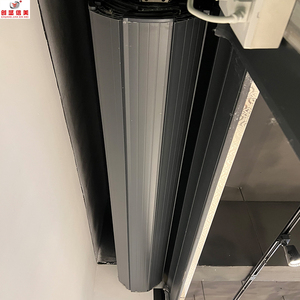
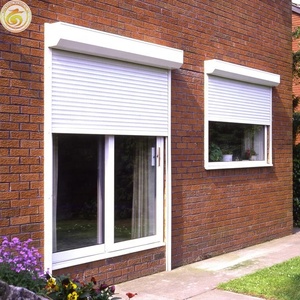
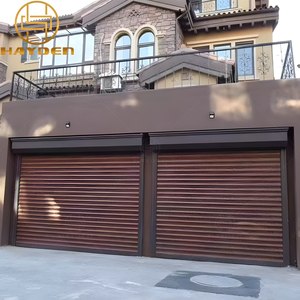
High-end residential villas and hospitality projects increasingly combine architectural entrance doors with motorized exterior storm roller shutters. Integrated with intelligent building management systems (BMS), these double-skinned aluminum slats automatically deploy upon early hurricane barometric warning, safeguarding primary glass structures from impact and thermal transmission.
AAMA 2605 Fluorocarbon Surface Finishes
Proximity to breaking ocean waves exposes aluminum doors to severe sodium chloride abrasion and ultraviolet degradation. Global project developers now stipulate 3-coat fluoropolymer (PVDF) or hyper-durable Qualicoat Class 2 powder coating capable of surviving 3,000+ hours of continuous salt-spray testing without chalking, color fading, or blistering.
Supply-Chain Traceability & Direct Factory Auditing
Intermediary traders are increasingly bypassed in favor of direct engagement with mega-scale manufacturers holding integrated extrusion, lamination, and testing laboratories. Project owners demand digital factory inspection (including VR tours), 100% pre-assembly shop verification, and verified test certificates stamped by third-party bodies (NFRC, CE, AS2047).
Evolutionary Trajectory: The Next Generation of Storm Protection Doors
The manufacturing paradigms of aluminum storm doors are experiencing rapid technological leaps. Historic fabrication relied on cold-stamped sheet aluminum mechanically pinned over porous particleboard or lightweight polyurethane cores. Today, automated CNC milling centers execute computerized edge-preparations, robotized corner crimping, and computerized polyurethane thermal injection with microscopic accuracy.
Simultaneously, locking mechanics have advanced beyond simple latches. DERCHI’s proprietary Four-Side Six-Point Lock illustrates this evolutionary shift: by coordinating hardened steel mushroom cams around the entire sash perimeter, the door engages deep into frame-anchored keeps when closed. Under high-velocity hurricane pressure, the sash does not bow or pull away from its weatherstrips; instead, the physical air-pressure forces the interlocking hooks to grip tighter, transforming wind energy into enhanced sealing compression.
Reinforced Corner Connectors
Cast aluminum internal corner keys injected with structural epoxy resin resist torsional shear during cyclonic gusts, preventing frame separation under cyclic load reversals.
Concealed Sub-Sill Cascades
Multi-chamber threshold drainage paths incorporate gravity check-valves, discharging torrential tropical rains rapidly while preventing hurricane back-draft water infiltration.
Perimeter Multi-Point Locking
Synchronized hardened anti-lift pins clamp the sash tightly across header, jambs, and sill, resisting pry-bar forced burglary and high-velocity wind deflection.
Acoustic De-Coupling
High-density EPDM vulcanized sealing gaskets and laminated acoustic resin sandwiches achieve sound reduction indexes exceeding 38-42 dB, keeping coastal storms outside.
Third-Party Tested & Certified
Rigorously audited by international fenestration testing authorities, meeting CE (EU), NFRC (USA), AS2047 (Australia), CSA (Canada), and ISO 9001 quality standards.
Architectural Glass Flexibility
Accommodates double/triple insulating glass, Low-E low-iron coatings, motorized built-in privacy louvers, and decorative internal architectural grilles.
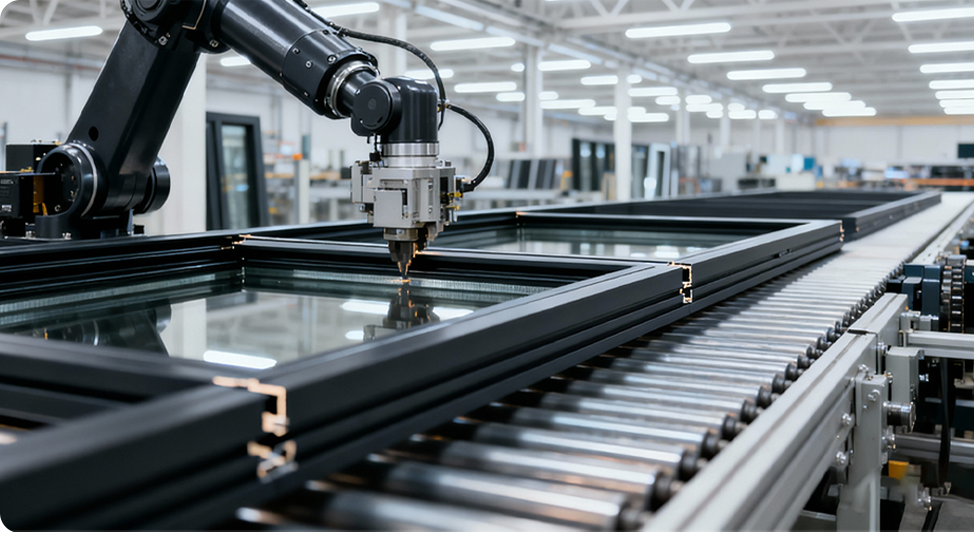
Guangdong Dejiyoupin (DERCHI): Engineered for Extreme Global Environments
With an expansive 180,000 square meter smart manufacturing base situated in Foshan, Guangdong, DERCHI (Guangdong Dejiyoupin Doors and Windows Co., Ltd.) represents the vanguard of Chinese high-end architectural fenestration exports. Backed by 25+ years of engineering mastery, over 600 highly trained technicians, and an elite dedicated R&D engineering division of 30+ specialists, the facility outputs in excess of 1,000,000 square meters of high-performance doors, windows, and storm systems each year.
Certified as a "China Famous Brand" by Xinhua News Agency, DERCHI maintains a relentless 360-degree digital quality control protocol. From raw ingot spectral verification to high-speed profile CNC sawing, dual-head automated corner crimping, automated silicone structural glazing, and pre-shipping container dry-fit rehearsals, every single door leaves the manufacturing floor with zero tolerance for field error.
Frequently Asked Questions: B2B Storm Door Purchasing
Direct, engineering-backed answers addressing structural calculations, sea-freight logistics, impact certifications, and custom architectural specifications.
A standard storm door typically utilizes 1.0mm-1.2mm non-thermal aluminum sheet or composite cores intended solely for draft exclusion and light insect screening. In contrast, certified hurricane impact storm doors employ heavy 6063-T6 structural extruded profiles with minimum wall thicknesses of 2.0mm to 3.0mm, internal steel or cast-alloy corner anchors, laminated architectural impact glass (utilizing 1.52mm SGP or 0.76mm PVB structural interlayers), and perimeter multi-point locking. Hurricane-rated assemblies undergo rigorous laboratory testing (ASTM E1886/E1996 or TAS 201/202/203) involving a 9-lb 2x4 timber missile fired at 50 ft/s, followed by 9,000 cycles of positive and negative pressure oscillations without system failure.
Overseas transit involves extreme ocean swell vibrations and humidity shifts. DERCHI employs heavy-duty export packaging protocols: aluminum surfaces are masked with static protective film, corners are cushioned with high-density EVA foam caps, and entire door leaf assemblies are heat-shrink sealed in moisture-barrier plastic. The completed units are loaded into customized fumigated plywood crates or rigid A-frame steel shipping racks secured with tensioning straps, eliminating micro-friction abrasion and zeroing breakage across 18,000+ international project shipments.
In coastal regions such as Central America, the Caribbean, and Florida, ambient solar radiation can heat exterior aluminum profiles up to 60°C (140°F), while indoor air conditioning maintains 22°C (72°F). Without a polyamide thermal barrier (such as PA66 GF25), heat transfers directly through the aluminum alloy. This causes high HVAC energy loss and creates surface condensation on interior metal jambs, damaging perimeter drywall and fostering mold growth. Thermal break storm doors decouple exterior and interior extrusions, slashing the Overall U-factor and securing ENERGY STAR ratings.
Yes. Every export order manufactured by DERCHI is custom-engineered to architectural schedules. Engineering shop drawings are generated from architectural CAD/BIM models, matching masonry rough openings, threshold clearances, and required anchoring patterns. Finish options include Qualicoat Class 2 architectural powder coating in any custom RAL color, fluorocarbon PVDF finishes for marine salt air, realistic 3D thermal-transfer wood grain textures, and dual-tone configurations (one color exterior, another interior).
Every export shipment is accompanied by complete commercial documentation including Bill of Lading (B/L), Commercial Invoice, Detailed Packing List with opening marks, and Certificate of Origin (Form E, CO, etc.). To satisfy municipal building inspectors, structural engineers, and insurance underwriters, DERCHI supplies third-party structural wind-load test reports, laboratory impact test data, CE declarations, NFRC thermal ratings, and full AS2047/ISO 9001 compliance dossiers.
Engineering Your Next Coastal, Resort, or Villa Development?
Submit your architectural opening schedules or project drawings to our technical engineering division. Receive verified wind-load calculations, structural profile selections, and factory-direct commercial estimates within 24 hours.