Certified Fenestration Solutions
Engineered Aluminium Glazed Windows & Architectural Doors
Constructed from primary 6063-T5/T6 structural aluminium extrusions with multidimensional thermal break barriers, Low-E tempered laminates, and tested cyclic wind-load structural thresholds.
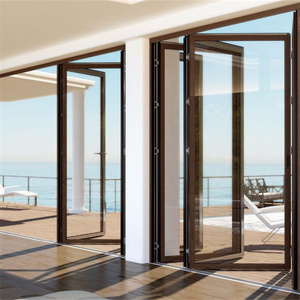
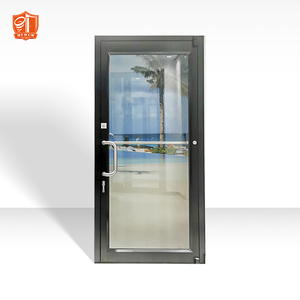
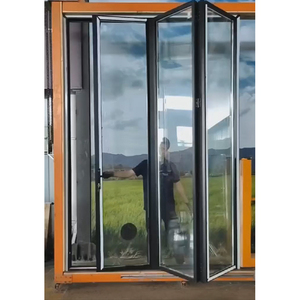
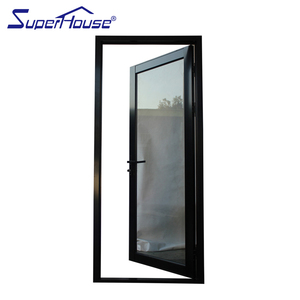
Engineering Whitepaper
Technological Trajectories in High-Performance Fenestration
The aluminium glazed window manufacturing landscape has shifted from basic commodity framing to integrated thermodynamic building skins. High-end procurement requires precise alignment with international envelope standards.
Polyamide PA66 Thermal Barriers
Modern commercial specifications require continuous technoform polyamide thermal breaks (PA66GF25 reinforced with 25% glass fiber) exceeding 24mm to 34mm widths. This structural decoupling drops overall window thermal transmittance down to Uf ≤ 1.3 W/(m²·K), preventing condensation and thermal bridges in coastal and tropical climates alike.
Multi-Cavity Acoustic & Wind Sealing
High-rise curtain assemblies deploy isobaric triple-gasket chambers using peroxide-cured EPDM weatherstrips. The continuous center seal design balances interior and exterior pressure cavities, guaranteeing absolute water-tightness under dynamic driving rain pressures exceeding 700 Pa and delivering sound attenuation ratings up to STC 42 dB.
Structural Laminated Impact Formats
For hurricane exposure and seismic zones, glazing assemblies incorporate SentryGlas (SGP) ionoplast interlayers alongside PVB laminates. In cyclic missile impact testing, SGP retains structural stiffness after glass fracture, resisting sustained hurricane cyclonic wind reversals up to design pressures of +100/-100 PSF.
| Performance Indicator | Standard Commercial Glazing | DERCHI Engineered System | Compliance Standards Tested |
|---|---|---|---|
| U-Factor / Thermal Value | Uw 2.8 – 3.4 W/(m²·K) | Uw 0.9 – 1.6 W/(m²·K) | NFRC 100/200, ENERGY STAR Tier-4 |
| Air Permeability | Class 2 (300 Pa) | Class 4 (≤ 0.05 cfm/ft² @ 600 Pa) | ASTM E283, AS2047 Section 2 |
| Water Penetration Resistance | 250 Pa – 300 Pa | Static ≥ 700 Pa, Cyclic ≥ 1000 Pa | ASTM E331, EN 12208 Class 9A |
| Forced Entry Resistance | Single Deadbolt Catch | Four-Side Six-Point Interlock | Patented Invention, RC3 / PAS 24 |
| Aluminium Extrusion Alloy | Recycled 6063-T5 (1.4mm) | Virgin Extrusion 6063-T6 (2.0–3.0mm) | GB/T 5237, Qualicoat Class 2 Standard |
Market Foresight
Global Sourcing Dynamics & Procurement Trends
Strategic institutional buyers, hotel developers, and facade contractors are optimizing supply-chain strategies according to five macro architectural shifts.
1. Embodied Carbon & Recycled Billets
Procurement teams for LEED Platinum and BREEAM certifications demand manufacturers provide third-party Environmental Product Declarations (EPDs). The industry benchmark is moving towards low-carbon aluminium smelted using hydroelectric energy, ensuring embodied emissions fall below 4.0 kg CO2e per kg of aluminium extruded.
2. Prefabricated Unitized Facade Modules
To reduce escalating on-site construction costs in North America, Australasia, and Central America, developers favor off-site glazed and pre-hung assemblies. Complete window wall and sliding units arrive pre-calibrated from the Foshan factory, enabling direct anchoring to slab edges and cutting crane installation times by over 45%.
3. Ultra-Slim Structural Sightlines
Architectural demand has converged around floor-to-ceiling panoramic glass where mullion visible widths are reduced to 16mm–25mm without sacrificing structural load capability. Concealed frame perimeters cast directly into concrete returns maximize ambient day-lighting while meeting strict inter-story structural deflection limits (L/175).
Enterprise Competence
Guangdong Dejiyoupin (DERCHI): Uncompromising Manufacturing Scale
Certified by Xinhua News Agency as a "China Famous Brand", DERCHI combines advanced robotics, rigorous QA oversight, and deep engineering customization to reliably serve resort, commercial, and residential projects worldwide.
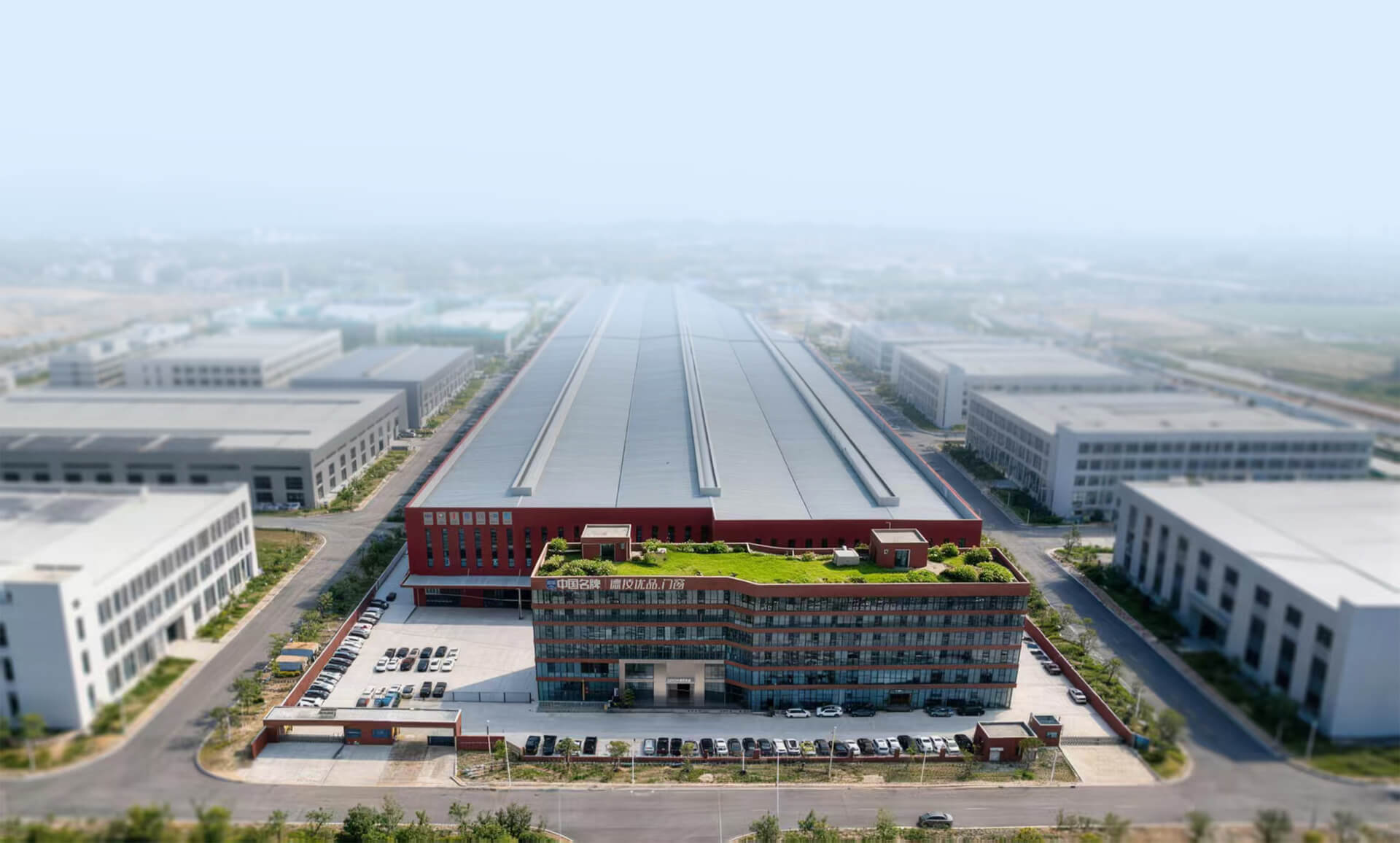
180,000 m² Smart Production Base & 1M+ m² Capacity
Operating a dedicated intelligent manufacturing park in Foshan with automated 5-axis CNC machining, laser profile scanning, and multi-bay assembly lines, our 1,000,000+ m² annual output supports phased project schedules without supply-chain bottlenecks.
Patented Four-Side Six-Point Security Hardware
Holding more than 100 national invention and utility patents, our proprietary locking system secures the sash along all four perimeters simultaneously, enhancing forced-entry resistance while maximizing continuous weatherstrip compression during typhoons.
Global Certifications: CE, NFRC, AS2047, CSA & ISO 9001
Backed by over 25 years of engineering heritage and 30+ dedicated R&D structural engineers, our fenestration profiles are systematically tested and certified for stringent global codes, from Australian AS2047 water resistance to US Florida hurricane impact standards.
End-to-End Turnkey Project Engineering Guidance
From shop drawing review, thermal matrix calculations, and custom extrusion die R&D to reinforced seaworthy wooden crate packaging and remote or on-site installation guidance, we ensure zero site rework for overseas developers and contractors.
Procurement Knowledge Base
Frequently Asked Technical Questions
Authoritative insights for specifiers, structural engineers, and international commercial buyers procuring aluminium fenestration systems from China.
How do you verify structural wind-load and hurricane impact compliance for coastal projects?
Our engineering team analyzes project-specific wind pressure data derived from building height, local terrain roughness categories, and structural codes (such as AS/NZS 1170.2, ASCE 7-16, or EN 1991-1-4). Profiles are specified with appropriate structural moments of inertia (Ix, Iy), reinforced with internal steel or heavy-wall 6063-T6 aluminium mullions, and fitted with laminated tempered impact glass (using 1.52mm/2.28mm PVB or SGP interlayers). Systems are verified to resist hurricane missile impact (large missile impact Level D) and severe cyclic pressure reversals.
What surface treatment warranties exist for marine or highly saline coastal atmospheres?
For coastal resorts and seaside residential developments, we apply premium surface treatments compliant with Qualicoat Class 2 or AAMA 2605 specifications. This includes 70% Polyvinylidene Fluoride (PVDF) fluorocarbon liquid coatings or architectural powder coatings with a minimum dry film thickness of 60–80 microns, alongside high-grade anodic oxidation (25+ microns). These treatments provide 15 to 25 years of documented warranty protection against chalking, salt spray degradation, fading, and peeling.
How are oversized panoramic glass and sliding assemblies packed to prevent transit breakage?
All international shipments follow our export packing protocol: individual frame extrusions are wrapped in protective polyethylene adhesive films, cushioned by high-density closed-cell EPE foam, and encased in water-resistant corrugated cardboard. Glazed panels are separated by anti-friction rubber spacer pads and placed into reinforced, non-fumigation IPPC-certified solid plywood crates with integrated lifting skids and interior bracing to resist rough ocean container handling.
Can DERCHI produce custom extrusion dies for distinct architectural facade profiles?
Yes. With 30+ dedicated R&D engineering specialists, we frequently develop custom extrusion dies for project-specific sightlines, corner returns, integrated facade sunshades, or curtain wall interfaces. New extrusion dies are typically modeled via 3D CAD simulation, sampled in-house within 15–20 days, and verified across structural, thermal, and cyclic testing rigs before serial extrusion and assembly.
What documentation is supplied to facilitate customs clearance and developer approvals?
Every export order includes full commercial documentation: signed Commercial Invoices, detailed Packing Lists with unit dimensions and weights, original Bills of Lading, and Certificates of Origin (Form A, Form E, or general CO depending on destination duty preferences). On the technical side, we provide factory test certificates, mill test reports (MTR), structural calculation sheets, glass performance simulation data, and third-party credential certificates (CE, NFRC, AS2047, CSA).
What is the standard production cycle and lead time for multi-container development projects?
Standard lead times for custom-specified thermal break systems range from 30 to 45 business days following final approval of shop drawings and deposit confirmation. For custom surface powder colors, non-standard anodized hues, or specialized PVB/SGP laminated glass combinations, lead time runs between 40 and 50 business days. Staggered, containerized release schedules can be aligned with on-site construction phasing.
Accelerate Your Next High-Performance Architectural Project
Connect with our technical facade engineering team to receive full structural load simulations, NFRC/CE thermal test data, and comprehensive factory-direct pricing for your project schedule.
Get Catalog