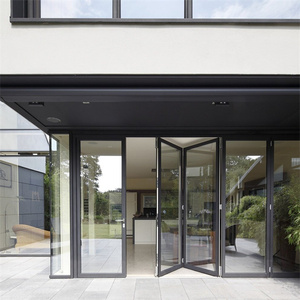
180,000m²
Smart Production Base
1,000,000m²+
Annual Extrusion Capacity
100+
Proprietary Patents
18,000+
Delivered Projects Worldwide
High-Performance Portfolio
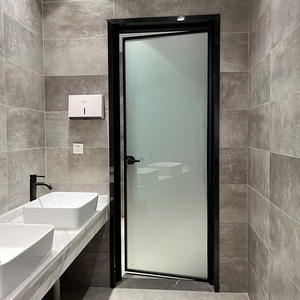
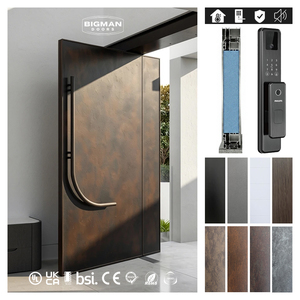
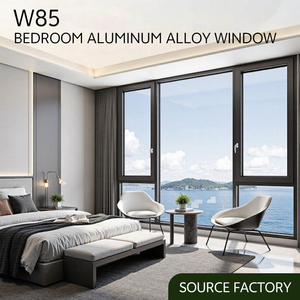
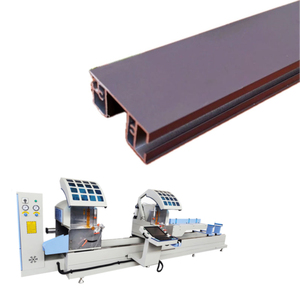
Recommended Fenestration Systems & Fabrication Machinery
Engineered for extreme cyclical wind loads, stringent acoustic boundaries, and superior thermal transmittances (U-factors). Exactingly fabricated under ISO 9001 and verified to ASTM, NFRC, CE, and AS2047 frameworks.
Procurement Intelligence
Future Procurement Trends in Global Fenestration Architecture
Evaluating structural Shifts in global supply chains, environmental compliance doctrines, and structural envelope performance metrics for tier-one project managers and commercial real estate developers.
Severe Climate & Tropicalized Resistance
Global coastal resort development and urban waterfront towers face extreme tropical hurricanes, high marine salt atmospheric corrosivity, and driving rainfall. Procurement standards have migrated permanently away from uninsulated profiles toward:
- Fluorocarbon (PVDF) Finishes: Formulated to resist salt-fog oxidation over 3,000 continuous test hours (AAMA 2605 compliance).
- Monolithic Structural Glazing: Double-laminated SentryGlas (SGP) and PVB interlayers capable of withstanding heavy impact cyclic testing.
- Dynamic Baffled Drainage: Multi-cavity internal extrusion tracks that discharge cyclonic downpours without backflow into structural perimeters.
Ultra-Low U-Value & Passivhaus Standards
Global decarbonization initiatives, LEED Platinum prerequisites, and updated energy conservation building codes (IECC/ASHRAE 90.1) mandate aggressive thermal breaks within all exterior fenestration envelopes:
- Polyamide PA66 GF25 Barriers: Multi-chambered composite thermal struts eliminating interior condensation and bridging conductivities.
- Triple-Glazed Warm-Edge Systems: Argon/Krypton inert gas infills coupled with dual offline sputtering Low-Emissivity (Low-E) coatings.
- Overall U-Factors < 0.18 BTU/hr·ft²·°F: Achieving dramatic HVAC lifecycle energy operational cost reductions across tropical and arctic zones.
Automated BIM & Modular Customization
Developers are eliminating intermediate distributors in favor of direct digital workflows with certified OEMs possessing end-to-end CNC fabrication capacity:
- Revit BIM Integration: Seamless algorithmic translation from architectural curtain wall elevation schedules directly into profile extrusions.
- Factory-Prehung Glazing Modules: Mitigating site labor liabilities, ensuring factory-controlled silicone adhesion and seal integrity.
- Full Provenance Tracking: Laser-etched QR documentation verifying metallurgical heat-lot analyses and test certifications.
Industry Foresight
Technological Evolution: The Next Decade in Aluminium Systems
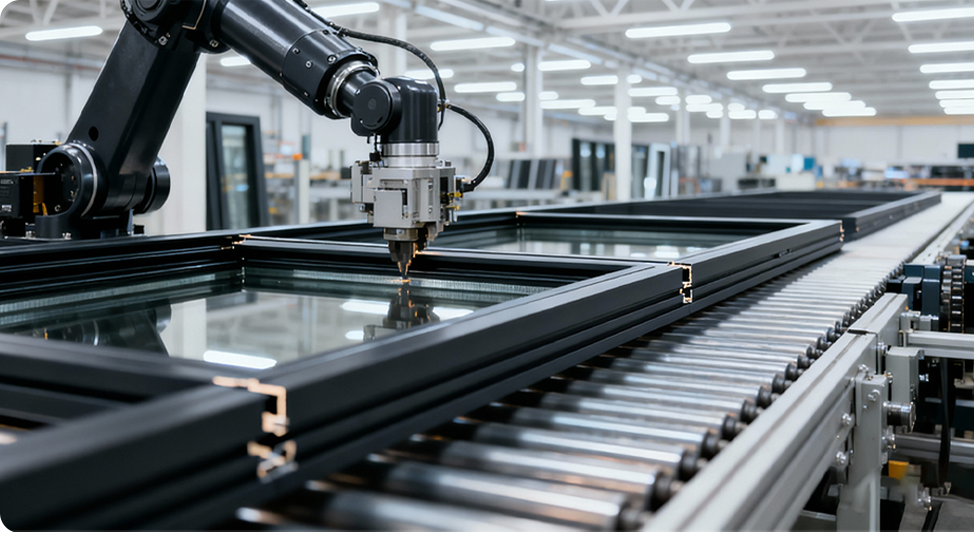
From robotic automated dual-head 45/90° cutting saws to active electrochromic glazing, fenestration is transitioning from static boundary elements to high-performance intelligent building skins.
The Shift Toward Ultra-Slim Sightlines & Structural Monoliths
Traditional structural door frames historically imposed visually disruptive structural mullions, segmenting architectural horizons. Current metallurgical innovations utilize modified primary 6063-T6 and 6005-T5 architectural aluminum alloys that exhibit increased tensile yield strengths exceeding 240 MPa. This structural breakthrough empowers designers to specify continuous ceiling-to-floor expanses up to 6 meters in height with ultra-minimal interlock profiles measuring as narrow as 20mm.
Simultaneously, concealed concealed multi-point perimeter locking hardware—such as our proprietary Four-Side Six-Point Lock—replaces conventional, vulnerable surface-mounted hardware. These concealed systems seat deeply within polyamide tracks, resisting forced pry entry while distributing uniform compressive force along vulcanized EPDM weatherstripping beads.
In addition, advanced electrochromic (smart switchable) glass and active micro-ventilation systems are becoming standard options for commercial towers and residential complexes, eliminating mechanical blinds while providing optimal glare attenuation and indoor air quality.
Manufacturing Supremacy
The DERCHI Industrial Advantage: Why Tier-One Buyers Partner With Us
Operating from our 180,000 square meter intelligent manufacturing hub in Foshan, Guangdong Dejiyoupin Doors and Windows Co., Ltd. combines quarter-century craftsmanship with state-of-the-art European automation.
180,000 m² Smart Production Base
Our centralized industrial ecosystem houses high-capacity automated profile cutting lines, German CNC machining stations, automatic insulating glass lines, and climate-controlled curing chambers. Delivering over 1,000,000 m² of exterior fenestration envelopes annually, we ensure seamless milestone tracking for multi-phase hospitality, institutional, and residential projects worldwide.
Industrial Scale Guarantee100+ Patents & "China Famous Brand"
Certified as an industry benchmark and "China Famous Brand" by Xinhua News Agency, DERCHI maintains an elite R&D division of more than 30 fenestration engineers. Our proprietary intellectual property includes the invention patent for the Four-Side Six-Point Lock system, delivering unmatched structural security, air tightness, and seismic deflection resistance across high-stress installations.
Xinhua News Agency CertifiedComprehensive International Certifications
Zero tolerance for border delays or regulatory compliance rejections. Every architectural fenestration line manufactured by DERCHI is verified and certified under major jurisdictional standards: North American NFRC and CSA, European Union CE, Australian AS2047, global ISO 9001 quality management, ENERGY STAR performance metrics, and stringent structural Hurricane Impact ratings.
NFRC · CE · AS2047 · CSATurnkey Export Packaging & Ocean Logistics
Maritime transport involves heavy kinetic turbulence and humidity exposure. DERCHI utilizes engineered fumigated solid-timber skeleton crates, desiccated EPE perimeter cushioning, protective heat-shrink wrap, and corner armor guards. Shipments arrive pristine at major commercial ports including Puerto Quetzal, Moín, Puerto Cortés, Colón, and Balboa, with full Bill of Lading, Certificate of Origin, and technical documentation.
Zero-Damage Ocean TransitRigorous 360° Quality Control Protocol
Beginning with spectrographic aluminum billet verification before extrusion, every production run adheres to strict internal quality control milestones. Profile tolerances are monitored within ±0.2mm precision. Completed units undergo hydro-pneumatic chamber testing at 150% rated design pressures to verify water tightness, air infiltration limits, and mechanical hinge cycling before packing clearance.
Zero-Defect PhilosophyEnd-to-End Architectural Technical Service
From initial design takeoff and structural wind-load engineering through BIM shop drawing generation, our engineering team works directly with overseas developers and consultants. We provide on-site measurements, remote video QA inspections, and detailed on-site installation guidance, ensuring flawless execution from conceptual design to project sign-off.
Dedicated Project Engineers
Procurement & Engineering FAQ
Frequently Asked Questions by Commercial Buyers
Straightforward, highly detailed technical answers addressing international shipping, wind-load ratings, material alloys, and supply chain accountability.
What specific aluminum alloys and structural temper specifications does DERCHI utilize for exterior doors and windows?
We exclusively specify virgin architectural-grade 6063-T5 and 6063-T6 aluminum alloys for primary framing components, upgrading to high-strength 6005-T5 or structural steel inserts for expansive structural mullions and high-windload transom assemblies. These alloys offer the optimal balance of tensile strength (minimum 205-240 MPa), fracture toughness, precision extrudability for complex thermal break cavities, and superior anodic or fluorocarbon surface treatment adhesion. Recycled or scrap aluminum is strictly prohibited from our primary structural extrusion lines to prevent intergranular stress corrosion cracking.
How do your fenestration assemblies achieve high hurricane impact ratings and meet Miami-Dade / ASTM standards?
Our hurricane-certified lines undergo stringent physical testing under ASTM E1886 and ASTM E1996 cyclic pressure and large missile impact protocols. The glazing builds integrate structural monolithic laminated glass featuring high-tensile Kuraray SentryGlas (SGP) or specialized 1.52mm/2.28mm PVB interlayers bonded under autoclave heat and pressure. The frames utilize reinforced internal structural anchor brackets, heavier profile wall thicknesses (up to 3.0mm in load-bearing channels), structural silicone perimeter glazing (Dow Corning 983), and our proprietary Four-Side Six-Point Lock hardware that prevents sash disengagement under sustained positive and negative pressure cycles up to ±100 PSF.
What surface coating technologies are recommended for beachfront resorts and high-salinity coastal developments?
For coastal developments within 5 kilometers of the shoreline (such as resort villas in Belize, Costa Rica, Panama, or the Caribbean), we mandate high-performance fluorocarbon (PVDF) resin finishes containing 70% Kynar 500 / Hylar 5000 resins complying with AAMA 2605 specifications. This multi-coat wet spray system provides extraordinary resistance to chalking, color fading, chemical acid assault, and continuous salt-fog spray testing exceeding 3,000 to 4,000 hours. Alternatively, we provide 25-micron class 1 architectural hard-coat anodization, fortified with marine-grade 316 stainless steel accessory screws and hardware components to totally eliminate galvanic and pitting corrosion.
How does DERCHI ensure thermal performance and prevent interior condensation in high-humidity tropical or extreme climates?
Condensation occurs when the internal profile temperature drops below the dew point of humid indoor air, typically caused by thermal bridging through conductive aluminum. DERCHI eliminates this via precision-crimped Polyamide (PA66 GF25) thermal barriers reinforced with 25% structural glass fibers. This effectively severs thermal conduction between exterior and interior metal elements. Coupled with insulated glass units (IGU) featuring warm-edge composite spacers, argon gas fills, and low-emissivity (Low-E) coatings, our window assemblies achieve overall U-factors down to 0.16–0.22 BTU/hr·ft²·°F, drastically lowering HVAC chiller loads and completely preventing interior perimeter condensation and mold proliferation.
What is the standard production lead time, and how are shipping logistics and customs documentation managed?
Standard manufacturing lead times range from 25 to 35 business days following architectural drawing approval and deposit confirmation. For custom extruded profiles or specialized structural glass combinations, production schedules are finalized during technical proposal confirmation. Our dedicated export documentation department prepares all requisite paperwork—including commercial invoices, itemized packing lists with opening location marks, clean bills of lading, verified certificate of origin (Form A / Form E / general COO), and jurisdictional test reports—ensuring seamless clearance at overseas customs. We handle full container load (FCL) sea freight under Incoterms including FOB, CIF, DDU, and DDP to major international seaports.
Initiate Your Commercial Fenestration Specification
Whether you require full architectural schedule takeoffs, customized structural wind-load engineering, or factory-direct wholesale pricing for high-end residential, hotel, or commercial envelopes, our senior engineering specialists are ready to consult.
Get a Quote