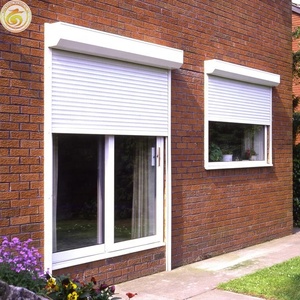
 Impact & Acoustic
Hurricane Storm Aluminum Sound Proof Roller Shutters
- High-tensile extruded 6063-T5/T6 alloy
- Acoustic deadening insulation filling
- Engineered for cyclonic storm mitigation
As urban density escalates and global climate volatility intensifies, selecting an enterprise-tier custom OEM aluminium and glass window manufacturer goes beyond aesthetic curation. Modern building envelopes demand quantifiable performance metrics: positive structural wind pressure, cyclonic water barrier ratings, acoustic attenuation (STC/OITC), and optimized solar heat gain coefficients (SHGC). This comprehensive whitepaper evaluates high-tier fenestration manufacturing standards, regional compliance, lifecycle cost parameters, and future procurement strategies designed for architects, commercial developers, and procurement authorities worldwide.
Impact & Acoustic
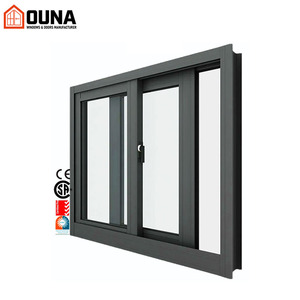 Thermal & Cyclone
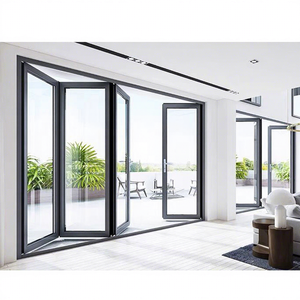 NFRC Certified
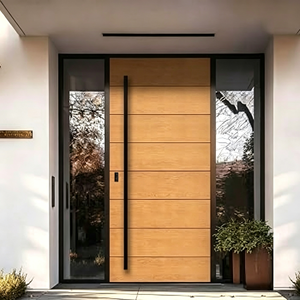 Interior Design
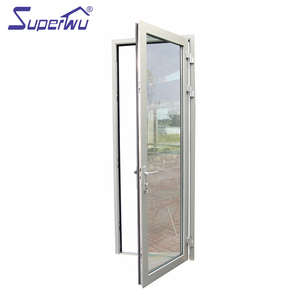 Energy Star Tier
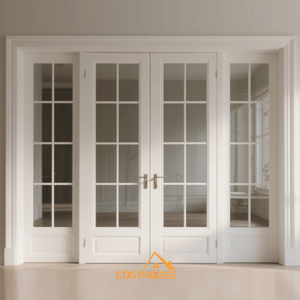 Classic French
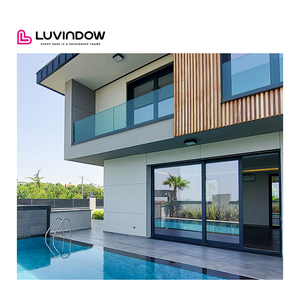 Commercial & Hotel
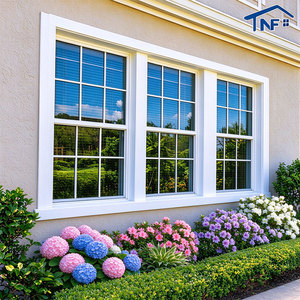 AS2047 Standard
Guangdong Dejiyoupin Doors and Windows Co., Ltd. (DERCHI) operates from Foshan, Guangdong—the worldwide epicenter of precision architectural metalworking. Certified as a China Famous Brand by Xinhua News Agency, DERCHI maintains a unified 360-degree quality control standard, delivering custom OEM fenestration solutions across the Americas, Europe, Oceania, and the Caribbean.
Unlike standard fenestration hardware that secures merely one lateral profile, our patented 4-side, 6-point system locks the perimeter evenly. This engineering leap guarantees wind-load integrity exceeding 5000 Pa, increases forced-entry defense ratings, and preserves thermal compression over decades of operation.
Our complete fenestration assemblies are certified to CE (EU), NFRC & ENERGY STAR (USA), AS2047 (Australia), and CSA (Canada). Every project receives documented mill test certificates, structural calculations, and glass thermal simulation reports to guarantee smooth customs clearance and municipal approvals.
Marine-grade fenestration profiles receive premium AkzoNobel powder coating or multi-micron PVDF fluorocarbon coatings, tested against 3,000+ hours of neutral salt spray. Combined with vulcanized EPDM gaskets and hidden step-down weep holes, interior water penetration is blocked under the most relentless storms.
Architectural demand is moving toward ultra-low carbon envelopes, extreme weather durability, and full transparency across the supply chain. B2B buyers must adapt to three structural developments dominating international fenestration sourcing:
Global building codes increasingly mandate overall window U-factors below 1.2 W/m²·K (U-0.21). OEM factories are transitioning to multi-chamber polyamide 66 thermal breaks reinforced with 25% glass fiber (PA66GF25), vacuum-insulated glass (VIG) laminates, and recycled low-carbon billet aluminium to satisfy LEED and BREEAM certifications.
Static paper catalogs are being replaced by digital-first procurement. Leading tier-1 OEMs now supply Revit BIM families, dynamic thermal models, and CNC-integrated CAD shop drawings before cutting a single profile. This eliminates on-site rework, accelerates construction schedules, and delivers zero-clash field installations.
Field labor expenses in North America, Europe, and the Caribbean have grown by over 38% since 2021. As a direct result, general contractors prefer pre-assembled, factory-glazed modular windows shipped in bespoke steel cradles. This logistics approach minimizes glass breakage on the ocean, saves site labor, and ensures uncompromised factory seals.
From basic non-insulated shopfront extrusions to cyber-physical smart building skins: review the four core engineering milestones defining performance improvements over the past 30 years.
Simple single-chamber monolithic aluminium profiles. Prone to condensation, severe thermal transfer, and low security. Unsuitable for contemporary conditioned buildings.
Polyurethane resin injected into an extruded channel. Improved thermal performance, but limited structural shear strength in wide glass spans or coastal wind environments.
Extruded dual profiles mechanically crimped with PA66GF25 structural polyamide struts. Delivers exceptional shear strength, supports multi-pane IGU assemblies, and provides true multi-point sealing.
Composite profiles utilizing silica aerogel cavity fills, quadruple EPDM pressure gaskets, integrated automated solar controls, and electrochromic switchable glass panels.
Zero errors across international borders. Our documented 8-step protocol ensures architectural accuracy from preliminary concept review to on-site installation support.
Structural opening analysis, wind pressure calculation check, and framing elevation audits based on project design packages.
Selecting standard profiles or creating custom extrusions with custom die tooling for architectural requirements.
Issuing detailed CAD shop drawings, glass specifications (Low-E, PVB, SentryGlas), and U-factor performance calculations.
Color swatches approved (RAL/AAMA), hardware, key locks, handle styling, and screen configurations confirmed.
Order commitment and allocation of high-purity aluminium billets, certified glass panels, and CNC precision milling capacity.
Critical threshold validation, laser-guided squareness checks, and physical pre-assembly corner mockups.
Rigorous air infiltration, cyclical water penetration, and diagonal deflection testing under monitored chamber pressures.
Steel-framed seaworthy crate loading, international shipping logistics, and full technical documentation for installation teams.
Key considerations when vetting, importing, and specifying custom OEM aluminium and glass windows for international commercial and residential construction.
Connect with our structural engineering team. Submit your door and window schedule, architectural drawings, or distributor specifications to receive full CAD details, system testing metrics, and project pricing.