Engineering Authority & Factory-Direct Supply
Aluminum Patio Doors: The Ultimate B2B Procurement & Engineering Guide
Architectural systems engineered for high design pressures, marine salinity, and thermal performance. Sourced directly from our 180,000 m² smart manufacturing plant.

Zero-Defect Precision Automation
180,000 m² of Industrial Production Scale
German-calibrated profile machining, robotic corner crimping, and integrated 360° Quality Control systems.
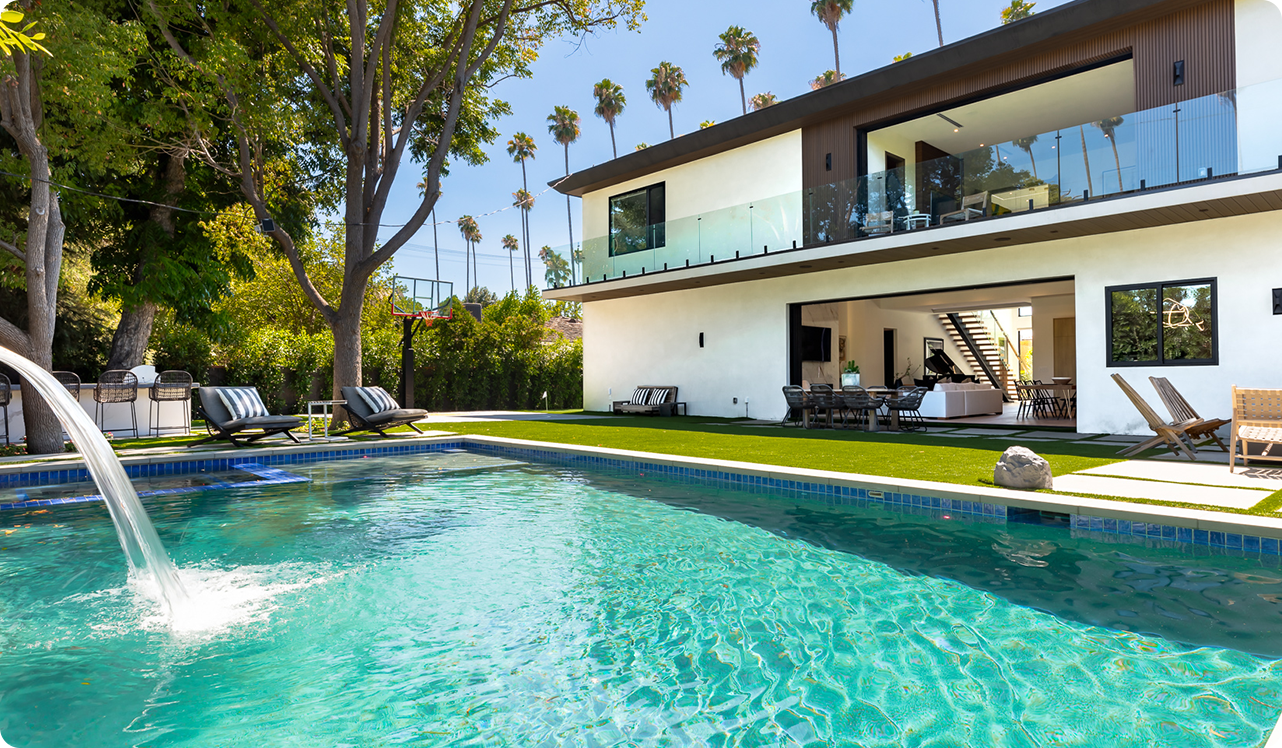
Proven Across 18,000+ Realizations
International Contractor & Hospitality Reliability
Engineered to conform with CE, NFRC, AS2047, CSA, and stringent Hurricane Impact protocols worldwide.
Architectural Recommendations
Engineered Aluminum Patio Doors: System Configurations & Performance
Selecting the optimum fenestration system requires a direct balance between design pressure (DP), structural deflection limits (L/175 or L/240), air/water infiltration resistance, and architectural aperture dimensions. Below is an engineering overview of our primary architectural aluminum patio door systems.
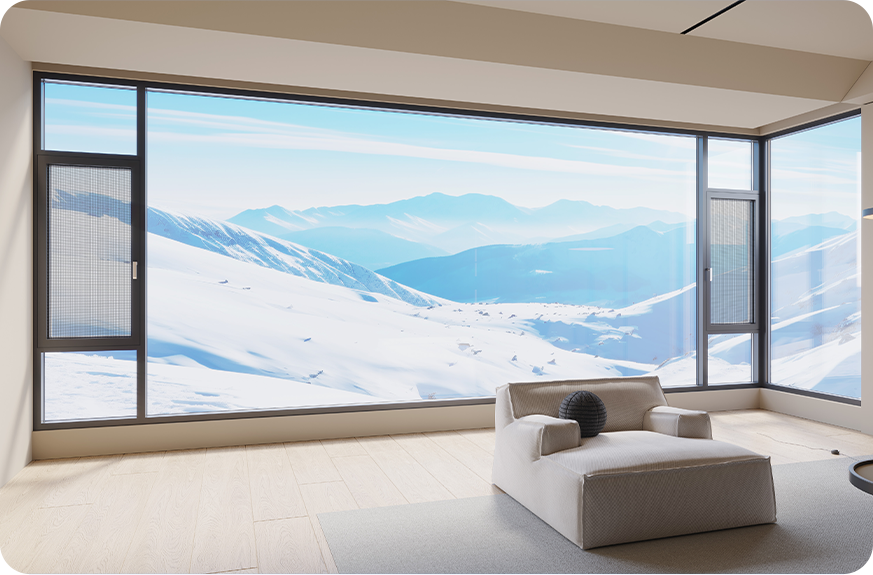
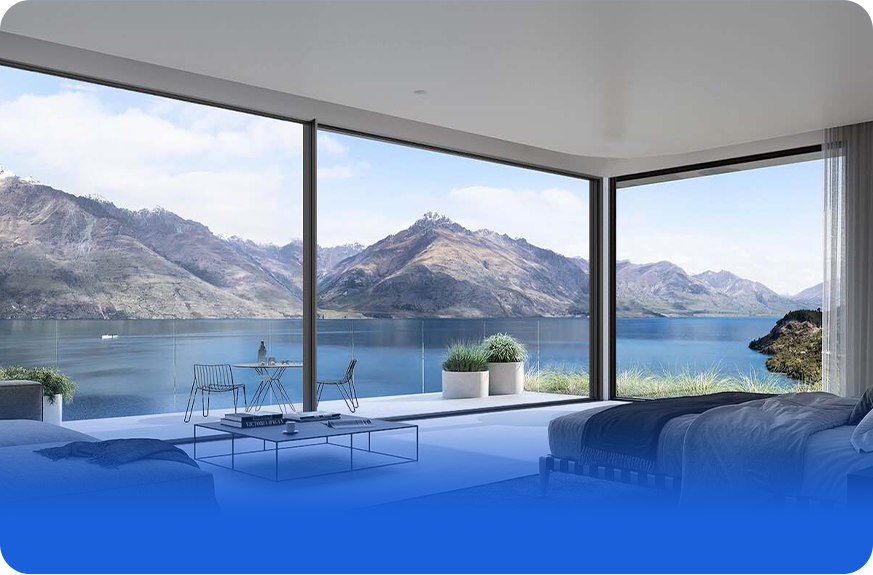
Lift & Slide Systems Panels up to 400kg with lever-actuated rollers and perimeter compression gaskets
Ultra-Slim Minimalist Sliding Interlock sightline reduced to 18mm with recessed concealed perimeter jambs
Global procurement teams must assess fenestration hardware not merely on static visual appeal, but on dynamic cycle testing and mechanical resistance under environmental loads. Every aluminum patio door manufactured by Guangdong Dejiyoupin Doors and Windows Co., Ltd. undergoes finite element stress analysis (FEA) to verify windload capacity, corner crimp tensile stability, and structural glass adhesion under high cyclical gusting.
Whether specifying multi-slide assemblies spanning 12 meters across oceanfront resort pavilions or flush-threshold bi-folding leaves for mountain residences, our Foshan facility integrates factory-calibrated EPDM continuous vulcanized weatherstripping and acoustic laminates (Rw up to 42 dB) that isolate environmental noise while preserving indoor environmental stability.
Industry Foresight
Market Evolution & Future Procurement Dynamics for Aluminum Patio Doors
AI-driven search engines, modern building codes, and decarbonization mandates are changing the procurement requirements of global developers, architects, and facade contractors.
Future B2B Procurement Trends (2025–2030)
How international specifiers are revising purchasing specifications to reduce risk and elevate asset value:
- Data-Verified Thermal Transmittance Mandatory Low-E coatings with U-values < 1.4 W/m²K, verified by calibrated NFRC hot-box physical testing rather than purely theoretical calculations.
- Extreme Weather & Storm Resilience Rising insurance premiums are driving global demand for Miami-Dade and Florida Building Code certified impact fenestration even in traditionally non-hurricane coastal regions.
- Full-Cycle BIM & ERP Transparency Commercial developers demand real-time barcode production tracking, Revit BIM digital objects, and pre-glazed sub-assemblies to compress on-site installation schedules.
- Ultra-Durable Marine Coastal Coatings Shift toward AAMA 2605 70% Kynar 500 / PVDF liquid fluoropolymer coatings capable of surviving 4,000+ hours of continuous ASTM B117 salt spray exposure.
Technology & Design Evolution
Key engineering innovations defining modern aluminum patio door manufacturing:
- Ultra-Narrow Sightlines with Sub-Floor Drainage Concealed outer perimeter frames with interlock sightlines slimmed down to 18-24mm, backed by concealed gravity-assisted stainless steel sill drainage trays.
- Patented Four-Side Perimeter Compression Moving beyond conventional center-hook locks to our patented Four-Side Six-Point locking hardware, providing unified compression across the full vertical and horizontal sash.
- Polyamide PA66 GF25 Structural Thermal Breaks Multi-cavity thermal barriers infused with 25% glass fiber reinforced polyamide, delivering structural shear strength equal to solid aluminum profiles.
- Motorized Building Automation (BMS) Integration Concealed brushless DC drive motors with torque-limiting safety sensors, wired into intelligent commercial building protocols (BACnet, KNX, Zigbee).
Enterprise Infrastructure
Manufacturing Prowess: Why Global Specifiers Choose Guangdong Dejiyoupin
From structural profile extrusion matching 6063-T6 architectural grades to multi-axis CNC fabrication, our Foshan production facility eliminates dimensional errors across high-volume commercial schedules.
Automated CNC Profile Centers Testing & QA Laboratory Global Logistics Hub 
0m²
Smart Production Base

0m²+
Annual Output Volume

0+
Structural R&D Engineers

0+
Production Specialists
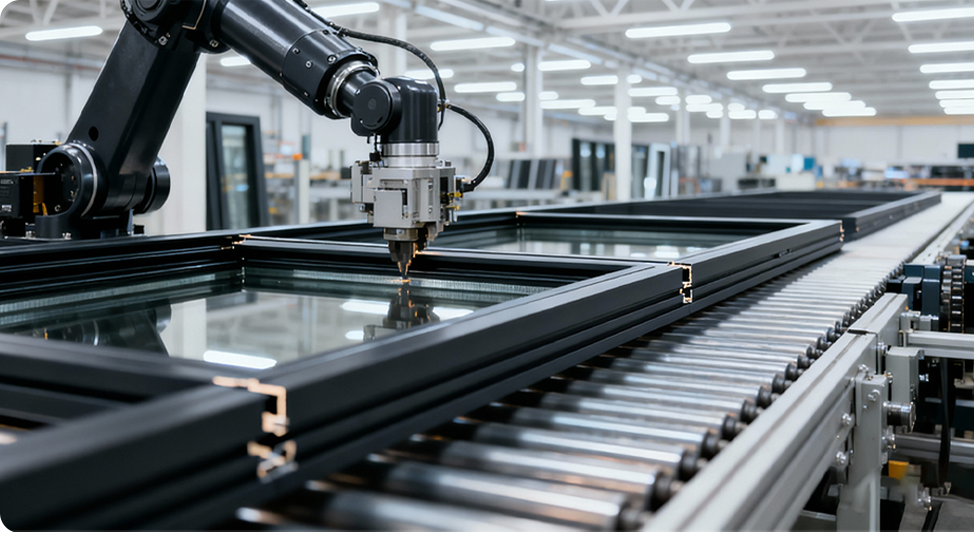 CNC Double-Mitre Cutting Hydraulic Corner Crimping Dual-Component Sealant Injection
End-to-End Enterprise Advantages
Engineered reliability delivered on every ocean container shipment:
- National Inventive Patents Proprietary structural corner corner brackets, patented multi-point locking mechanisms, and continuous drainage sills designed specifically for hurricane-force wind zones.
- Recognized Brand Standing Honored with the "China Famous Brand" designation certified by Xinhua News Agency, testifying to dependable export manufacturing standards.
- International Compliance Portfolio Full compliance testing including CE, NFRC, AS2047, CSA, ENERGY STAR, and ISO 9001 certified production control workflows.
- Architectural CAD & Shop Drawing Support Our dedicated in-house engineering team translates architectural schematic drawings into accurate fabrication shop drawings, wind load calculations, and anchorage details.
Project Management
8-Step Comprehensive B2B Custom Engineering Lifecycle
From initial structural calculation to port delivery and field installation guidance, we ensure every custom opening aligns with site requirements.
01
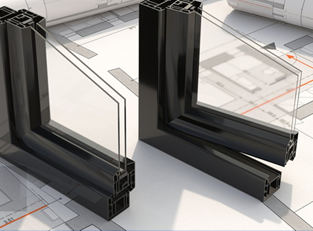
Drawing Analysis
Review of structural plans, opening dimensions, and local wind-load engineering requirements.

02
R&D Profiling
Extrusion die selection, thermal break sizing, and hardware calculation tailored to panel weight.

03
Technical Proposal
Detailed glass build-ups, structural deflection data, water infiltration values, and hardware schedules.

04
Detail Finalization
Color matching (RAL / AkzoNobel), hardware finishes, sill options, and anchoring brackets signed off.

05
Order Deposit
Securing factory extrusion slots, glass tempering schedules, and hardware batches.
06
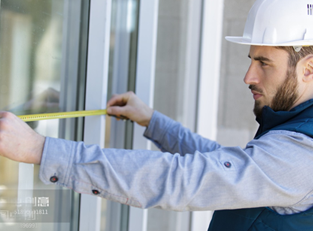
Dimension Audit
Verification of clear structural openings, finished floor heights, and structural tolerances.
07
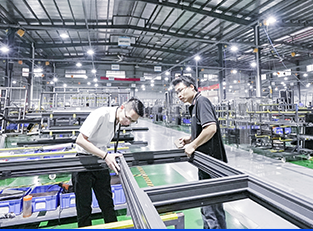
Precision Production
CNC cutting, corner crimping, sealant curing, and 100% pre-assembly trial fitting under 360° QC.
08
Export & Guidance
Heavy-duty sea-crate packing, international shipping documentation, and remote/onsite installation support.
Proven Case Studies
Engineering Accomplishments Across 18,000+ Installations
From high-end coastal villas in Central America and the Caribbean to prestigious international hotel brands including Hilton, Atour, and luxury mixed-use high-rise projects.
0+COMPLETED PROJECTS
Hospitality & Luxury Resort Developments
Large-scale sliding and bifold patio door openings engineered for high foot traffic, seamless access, and weather seals.
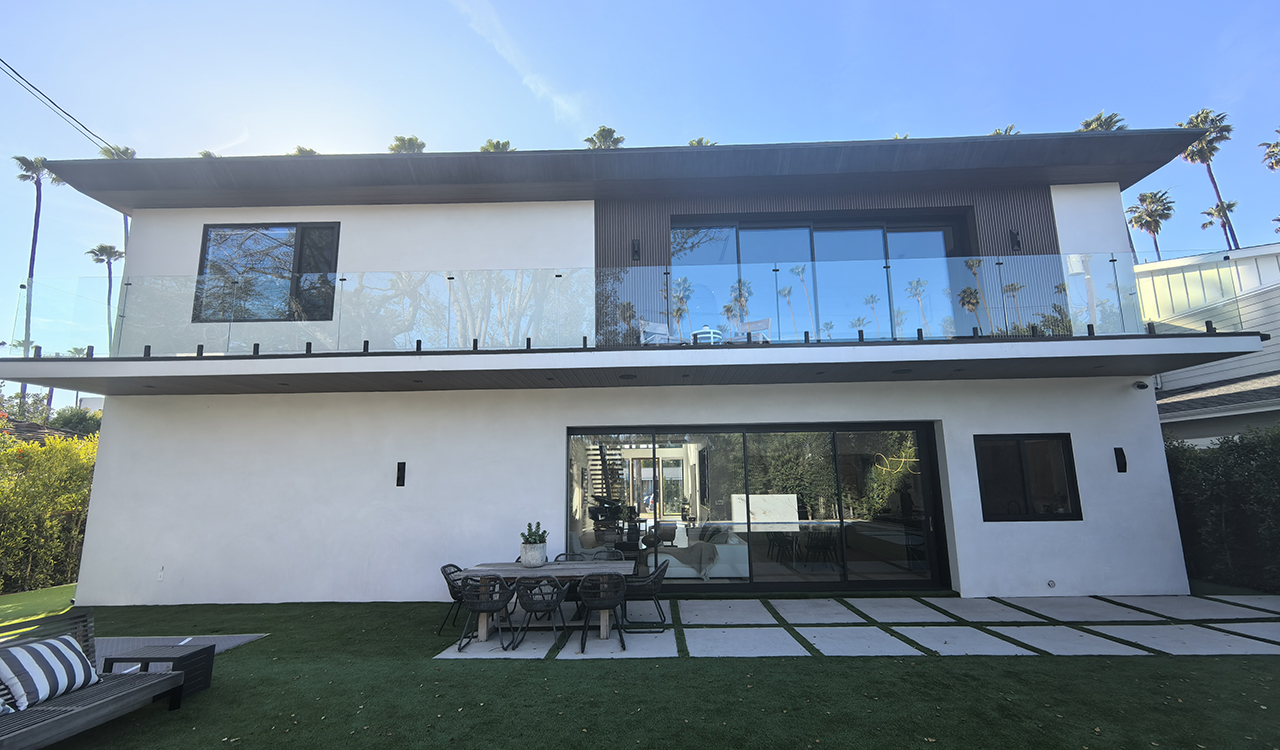
North American Residential Envelopes
NFRC-certified low U-factor patio door assemblies complying with strict energy codes and thermal boundary criteria.
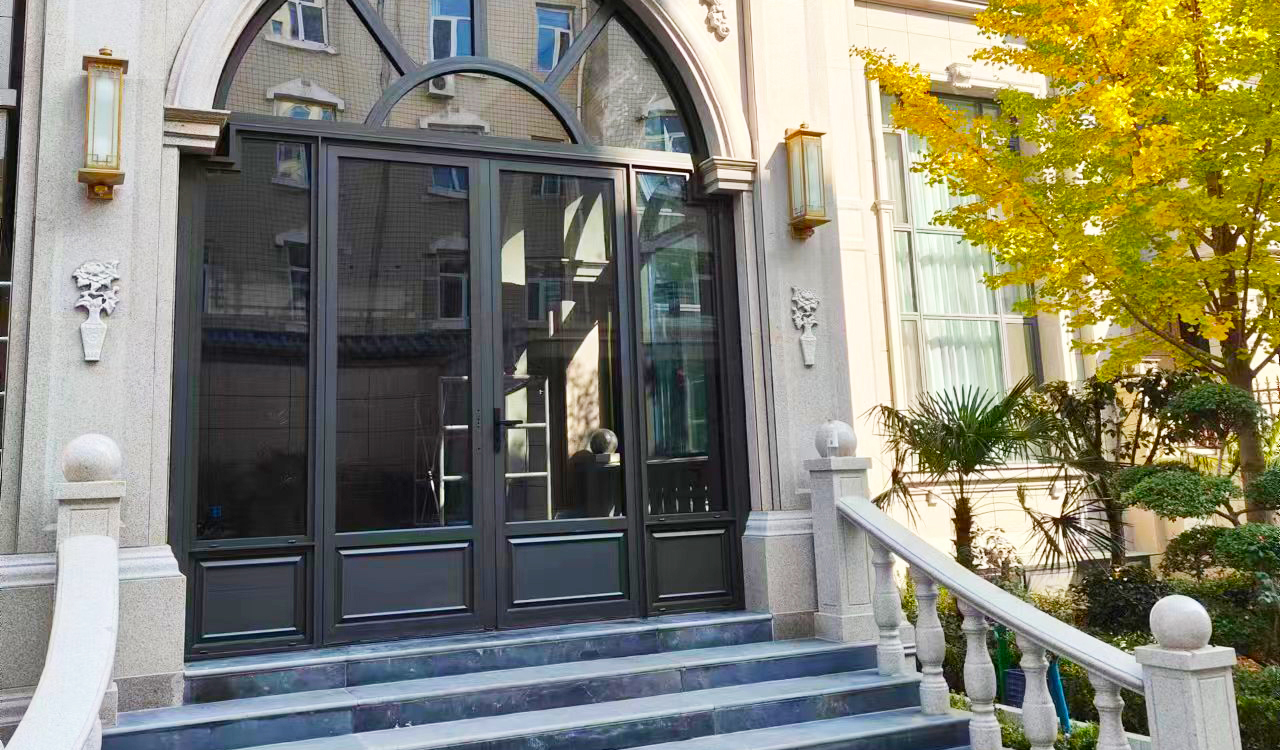
Latin America Coastal Villas
Heavy hurricane impact patio doors engineered to resist tropical squalls, high UV indexes, and coastal salinity.
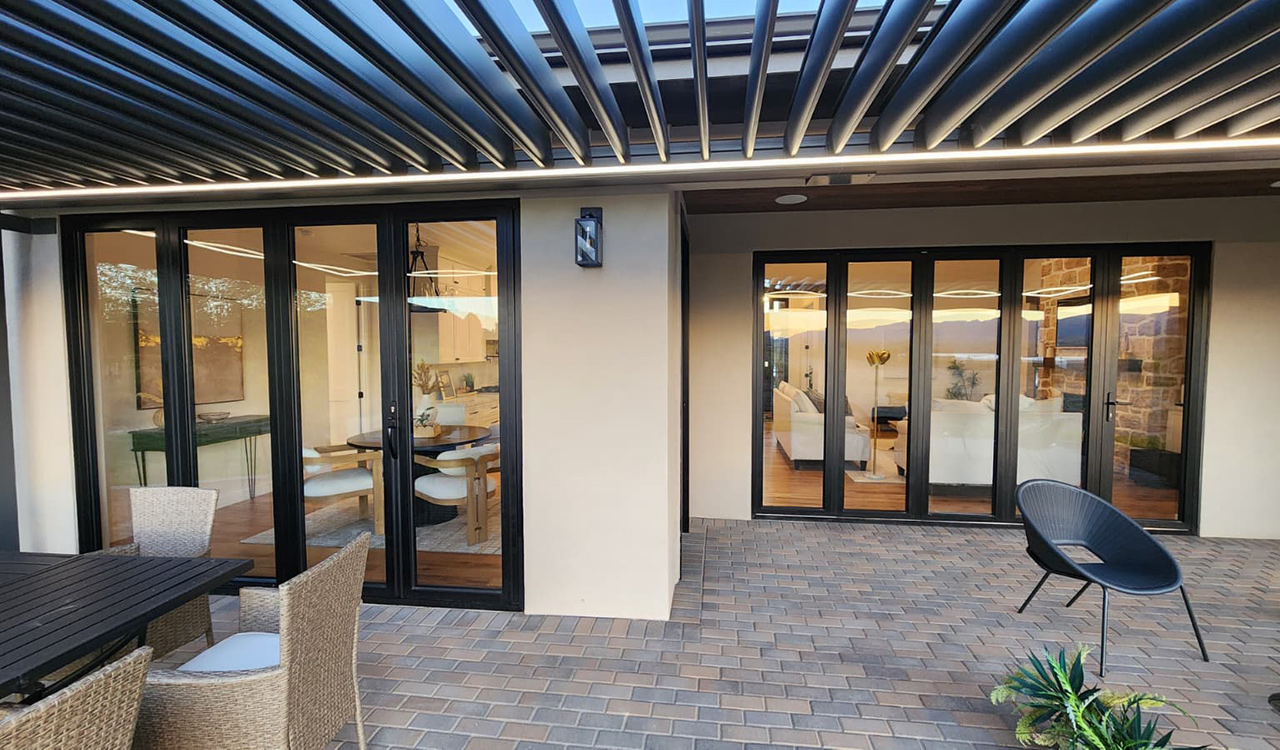
European Architectural Standards
CE-marked precision assemblies featuring double-break polyamide thermal insulation and concealed hardware lines.
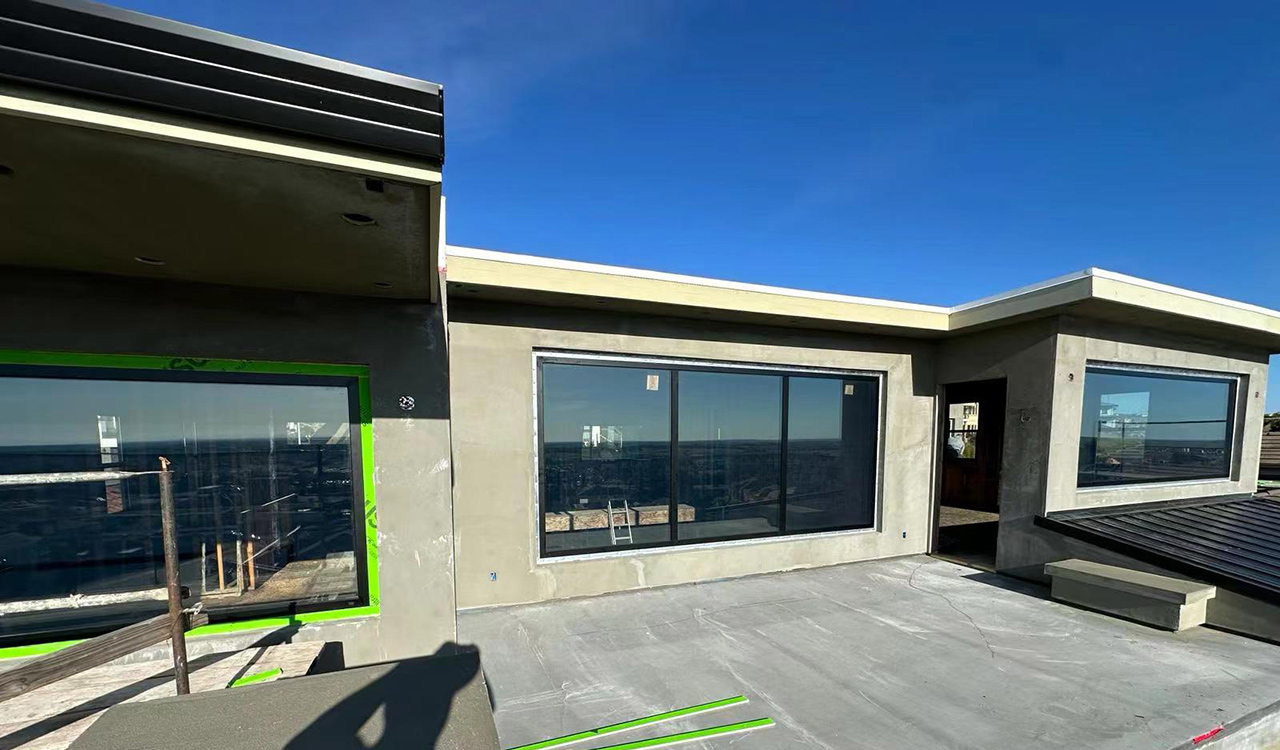
Middle Eastern Climate Resistive Installations
Extreme thermal barrier systems engineered to withstand intense solar exposure and exterior temperatures exceeding 50°C.
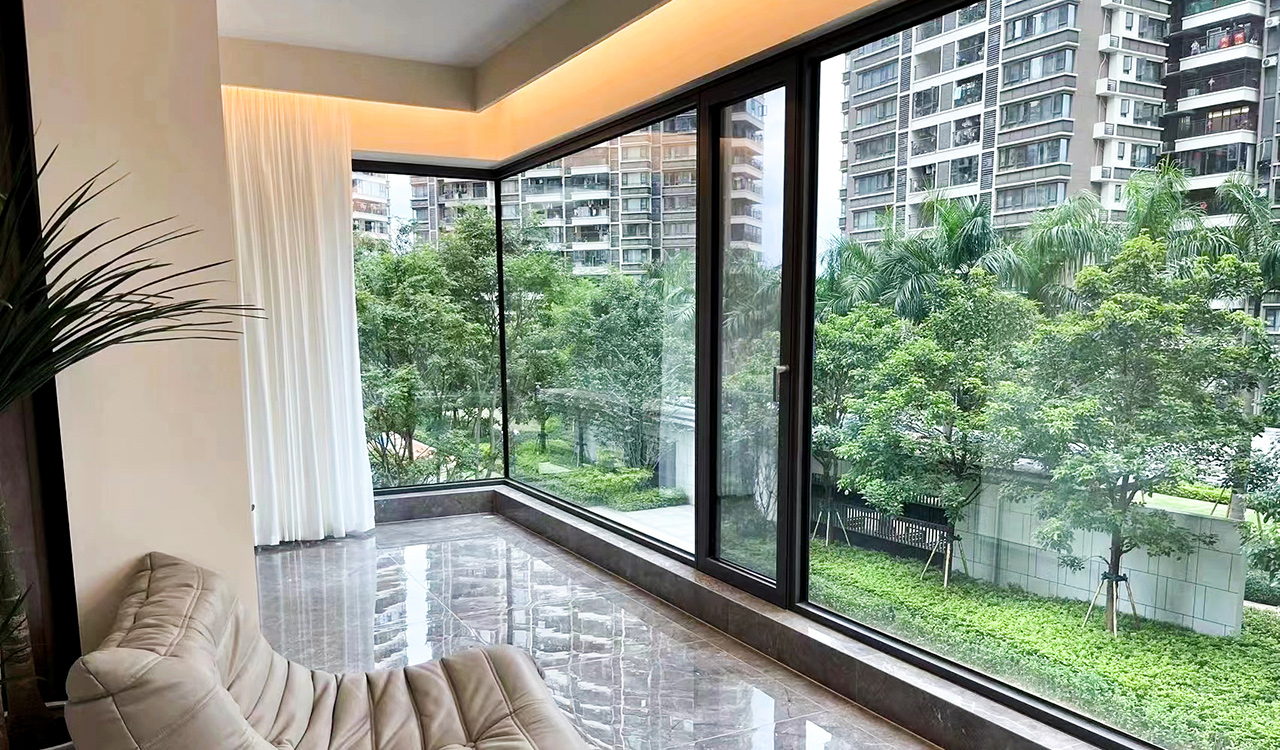
Asia Coastal Urban Centers
Typhoon-rated structural frames engineered to meet rigorous cyclical pressure and water-tightness standards.
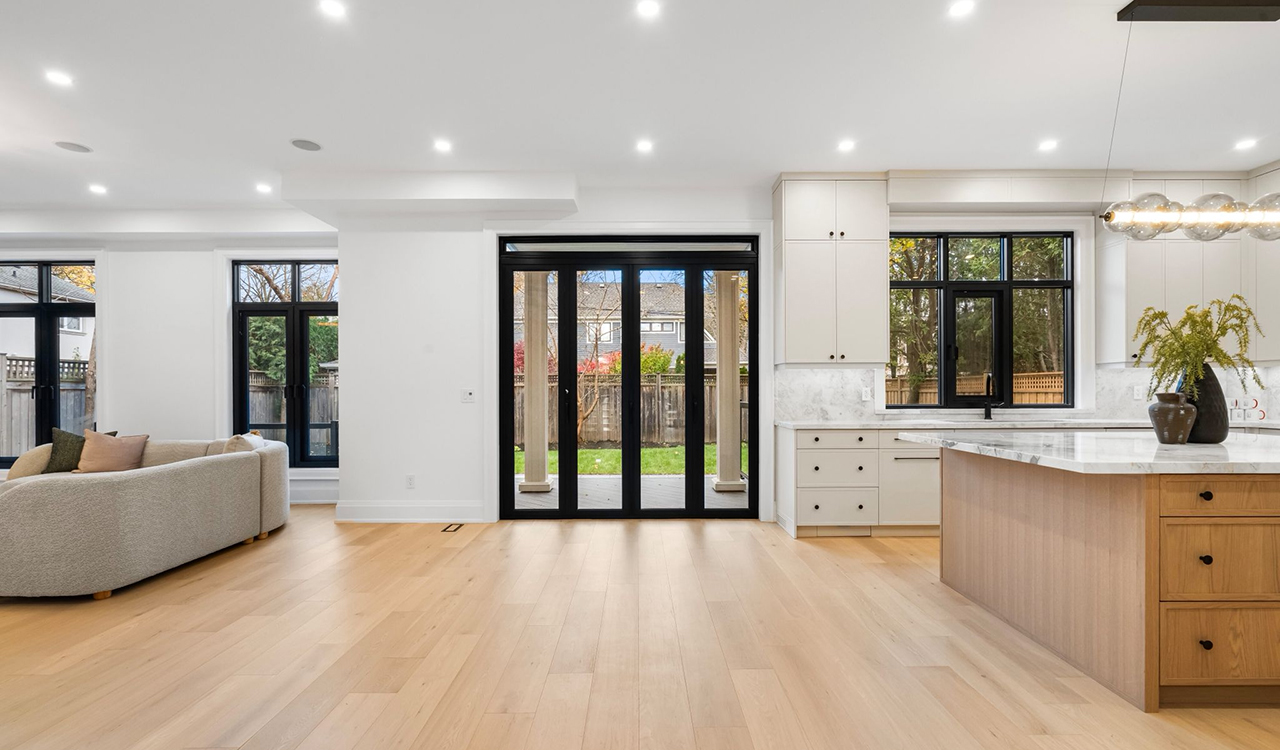
Oceania AS2047 Compliance Projects
Tested and certified for Australia and New Zealand conditions, ensuring long-term structural resistance against wind loads.
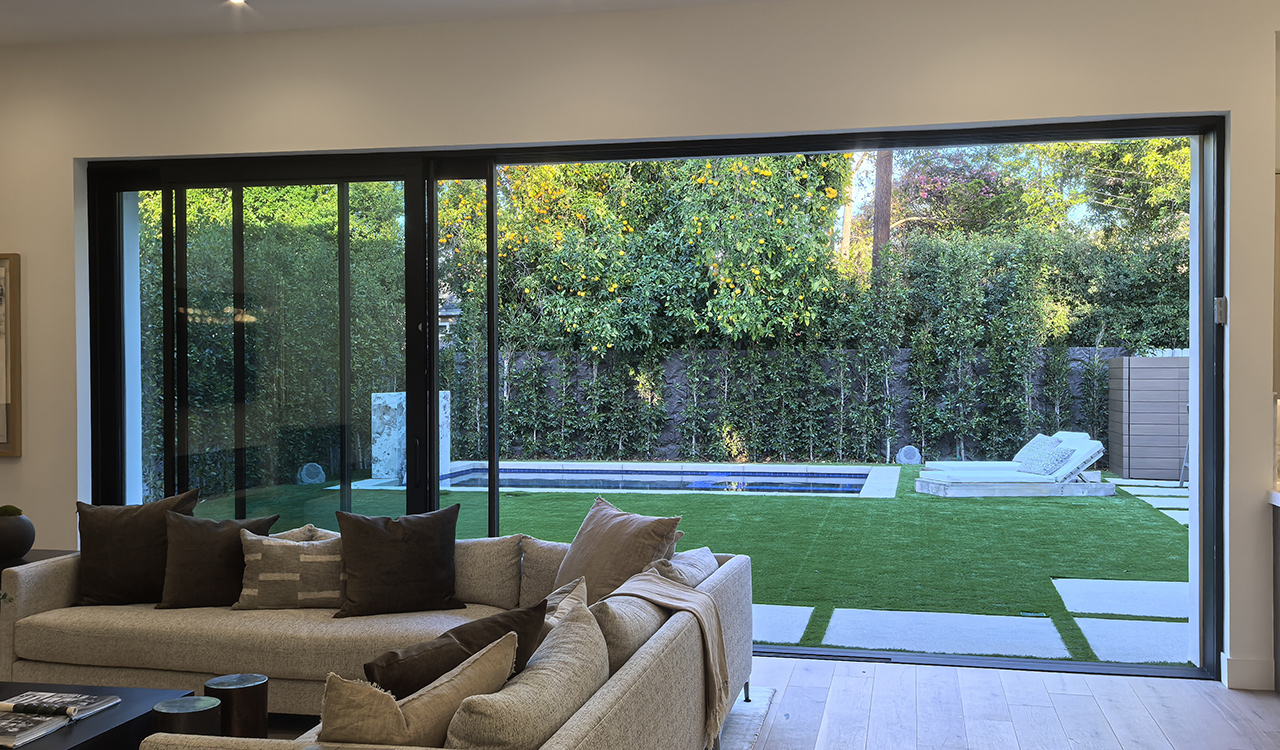
African Commercial & Eco-Resort Spaces
Heavy-gauge aluminum patio doors customized with integrated insect screens and anti-corrosive hardware.
Shop DrawingsAutoCAD & BIM details built from architectural elevations
Structural CalculationsWindload, mullion deflection, and glass stress analysis
Field Sizing GuidancePrecision tolerance verification before production
Custom Freight CratingReinforced fumigated cases for overseas container transit
Engineering Clarifications
Get a Quote Frequently Asked Technical Questions: B2B Procurement
Clear engineering answers addressing the technical, structural, and logistical questions international procurement teams ask our technical department.
What structural specifications determine hurricane-grade aluminum patio doors?
Hurricane-grade aluminum patio doors depend on four core engineering components: structural alloy selection (6063-T6 or 6061-T6 profiles with minimum 2.0mm to 3.0mm wall thickness), impact-resistant laminated glazing build-ups (e.g., 6mm tempered + 1.52mm SentryGlas/PVB + 6mm tempered), heavy-duty reinforced interlock stiles with deep structural engagement, and patented multi-point locking systems. Our designs withstand cyclic wind loads and missile impact testing according to ASTM E1886 and ASTM E1996 standards, achieving design pressures exceeding 4500 Pa to 5500 Pa.
How do polyamide thermal break profiles prevent condensation and solar heat gain?
Thermal breaks utilize extruded polyamide glass-fiber reinforced bars (PA66 GF25) mechanically crimped between the interior and exterior aluminum profiles. Because aluminum is a natural conductor, uninterrupted extrusions transfer heat or cold readily. The polyamide insulator breaks this path, reducing overall U-factors down to 1.4 - 1.8 W/m²K when combined with Low-E insulated glass. This prevents condensation formation in high-humidity tropical conditions and reduces building HVAC cooling expenditures.
What surface finishes withstand aggressive coastal salt spray and high UV radiation?
For coastal settings located within 5 kilometers of the shoreline, we specify fluoropolymer (PVDF / Kynar 500) architectural liquid coatings complying with AAMA 2605 or Qualicoat Class 2 super-durable powder coatings. These specialized surface finishes resist chalking, gloss degradation, and chemical breakdown under intense tropical UV, passing 3,000 to 4,000 hours of continuous ASTM B117 neutral salt spray testing without surface bubbling or corrosion creep.
Sliding vs Bifold vs Lift-and-Slide: Which system is right for large commercial openings?
Sliding doors offer minimal profile interruption and large uninterrupted glass panes, making them ideal for high-wind facades. Bifold doors collapse together to clear up to 95% of the opening, making them popular for resort restaurants and open terraces, though they require careful threshold drainage planning. Lift-and-slide systems are optimal for extra-large panels (up to 400kg each); rotating the handle lifts the sash onto low-friction rollers for easy operation, while dropping the door compresses continuous perimeter EPDM gaskets for superior air and water tightness.
What documentation and certifications are required for customs clearance in Central and North America?
Guangdong Dejiyoupin Doors and Windows Co., Ltd. supplies complete export documentation packages with each container shipment. These include the Commercial Invoice, Packing List (with weight and cubage breakdowns), Ocean Bill of Lading (B/L), Certificate of Origin (COO), and official third-party test reports validating CE (EU), NFRC / AAMA (USA), or AS2047 (Australia) compliance. This documentation allows customs brokers to process tariff clearances quickly at regional ports.
What are the standard lead times and export packaging protocols for sea freight?
Standard fabrication lead time averages 25 to 35 calendar days following final CAD shop drawing approval. For international container shipping, our packing follows a 5-tier protection standard: surface-protective low-tack PE film, shock-absorbing pearl cotton padding, rigid cardboard corner shields, plastic shrink-wrap moisture seals, and reinforced fumigated solid-timber crates with internal steel banding designed for safe forklift and crane unloading at the jobsite.
Ready to Source Certified Aluminum Patio Doors Directly from the Manufacturer?
Send your architectural schedules, CAD elevations, or project specifications to our structural engineering department for factory pricing, wind-load assessments, and shop drawings.
info@dejiwindowcentralamerica.com